

The Ultimate Garlic Crusted Prime Rib Recipe: A Holiday Centerpiece
Prepare to amaze your guests this holiday season with a show-stopping Garlic Crusted Prime Rib that promises unmatched flavor, tenderness, and juiciness. This recipe, perfected over countless celebrations, is remarkably easy to execute, defying the common misconception that prime rib is reserved only for professional chefs. Forget expensive restaurant versions; with our guide, you’ll create a masterpiece in your own kitchen that will have everyone begging for the recipe!
Why This Prime Rib Will Be Your New Holiday Tradition
Imagine a roast so tender it practically melts in your mouth, enveloped in a rich, savory crust. This prime rib isn’t just a meal; it’s an experience. Its inherent richness, characterized by beautiful marbling, ensures every bite is packed with flavor and moisture. What truly sets this recipe apart is its surprising simplicity. You don’t need years of culinary experience to achieve perfection. Our straightforward method guides you through each step, ensuring a flawless result every time.
Many home cooks shy away from prime rib, intimidated by its cost or the perceived difficulty. However, this recipe proves that with a few key techniques and the right approach, anyone can cook a prime rib that rivals the finest steakhouses. The secret lies in understanding the meat and applying a foolproof cooking method that locks in juices and develops an irresistible crispy crust. Get ready to impress your friends and family with a dish that looks sophisticated but is shockingly easy to prepare and cook!
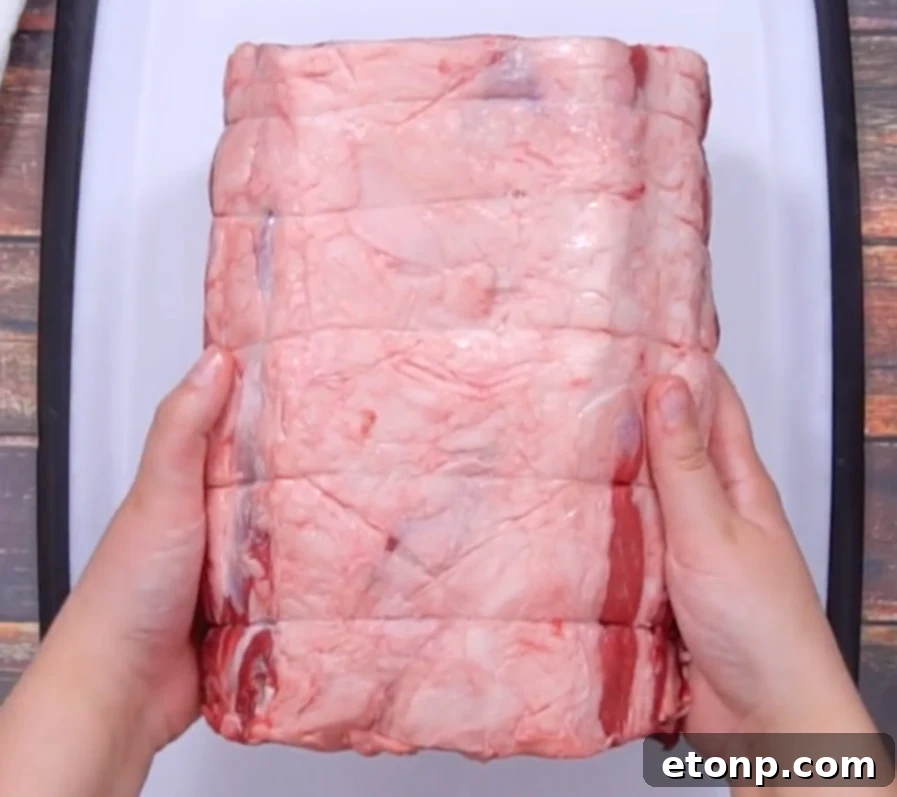
Bone-In vs. Boneless Prime Rib: Choosing Your Cut
When selecting your prime rib, you’ll often encounter both bone-in and boneless options. While I’ve prepared a boneless roast for this particular demonstration (primarily for ease of carving on video), both choices yield fantastic results. Bone-in prime rib is often favored by purists who believe the bone adds extra flavor and moisture during cooking, acting as a natural heat insulator. It can, however, be slightly more challenging to carve neatly once cooked.
A boneless roast offers convenience in carving and serving, making it an excellent choice for larger gatherings or when you prefer a streamlined presentation. Regardless of your preference, the core cooking principles remain the same. Discuss your options with your butcher; they can often prepare the roast to your specifications, whether that’s tying a boneless roast for even cooking or frenching the bones of a bone-in cut for an elegant touch.
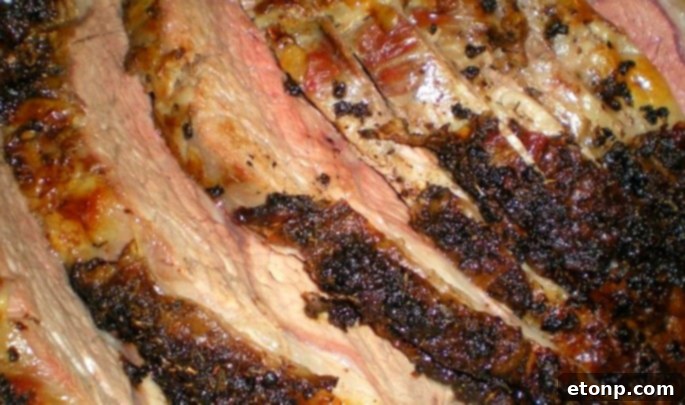
The Secret to a Perfect Crust: Our Signature Seasoning Blend
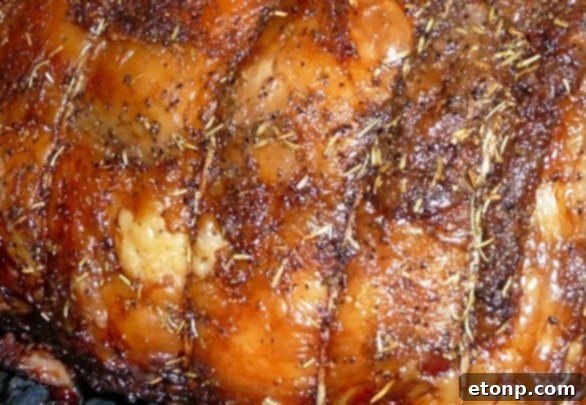
The magic of this prime rib largely lies in its incredible crust. Our carefully balanced blend of garlic, herbs, salt, and pepper doesn’t just add flavor; it creates a magnificent, crispy exterior that beautifully contrasts with the tender, juicy interior. This robust seasoning forms a protective layer, sealing in the natural juices of the meat and contributing to that irresistible texture. Every bite delivers a symphony of savory notes, enhanced by the aromatic garlic and fragrant thyme.
Applying the seasoning correctly is crucial. We’ll show you how to create a flavorful paste that adheres perfectly to the roast, ensuring an even crust development. This crust is the hallmark of a perfectly cooked prime rib – deeply caramelized, packed with flavor, and a delightful textural counterpoint to the succulent meat beneath. It’s a simple step that makes all the difference in achieving a restaurant-quality finish.
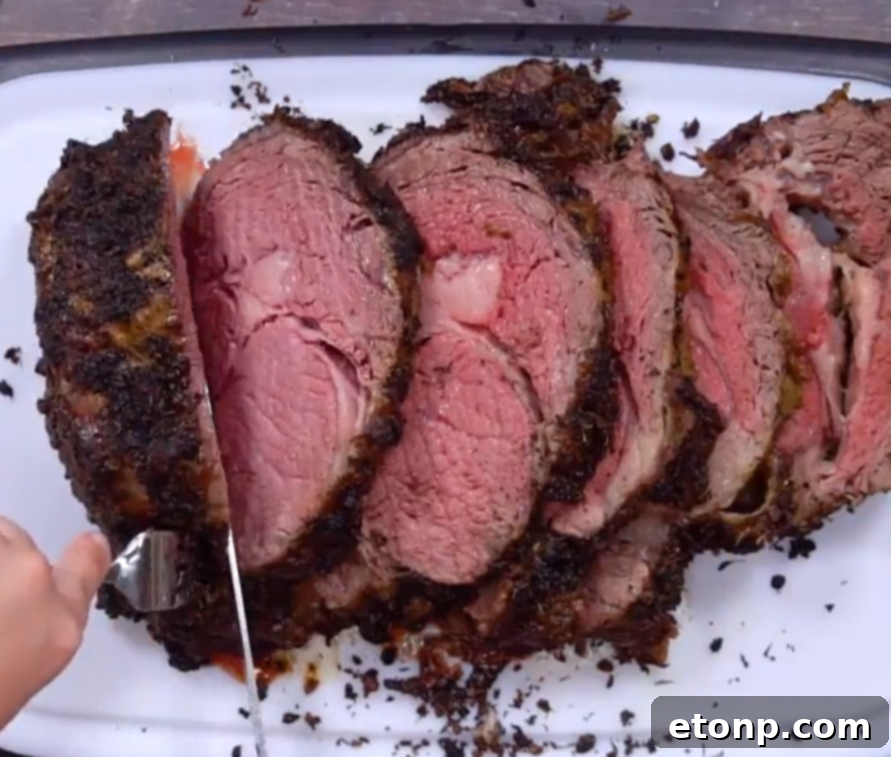
Catering to Every Preference: Doneness for All
One of the truly wonderful aspects of roasting a larger cut like prime rib is its ability to satisfy a range of doneness preferences simultaneously. As the roast cooks, the outer sections, or “ends,” naturally become more well-done, offering a firm, savory experience for those who prefer their beef without any pink. Moving towards the center, you’ll find beautifully pink, medium-rare to medium slices, ideal for connoisseurs who appreciate the tenderness and full flavor of beef cooked to a rarer perfection.
This natural gradient means you don’t have to worry about pleasing everyone with a single degree of doneness. Simply slice the roast from end to center, allowing each guest to choose their preferred piece. It’s a fantastic solution for holiday gatherings where tastes can vary widely, ensuring every plate is met with satisfaction.
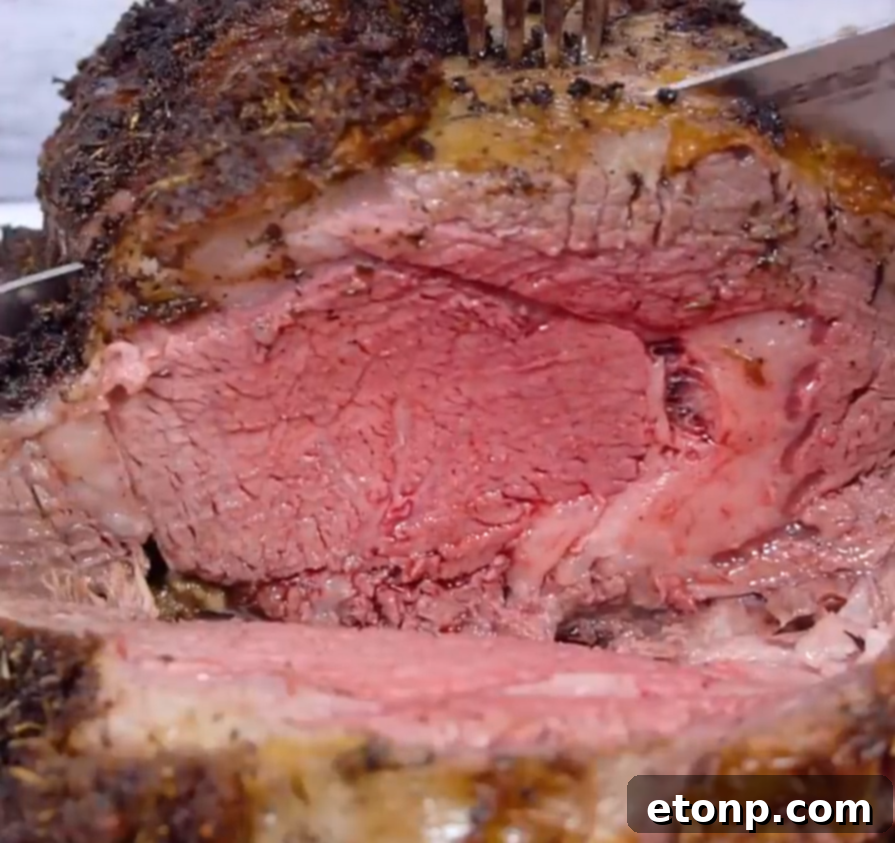
Embracing the Fat: A Flavor Powerhouse
While some might be tempted to trim away the fat cap on a prime rib, I strongly advocate for leaving it on. This rich layer of fat is not merely an aesthetic component; it’s a critical element that contributes immensely to the roast’s incredible flavor and maintains its unparalleled juiciness and tenderness throughout the cooking process. As the fat renders, it bastes the meat, infusing it with flavor and preventing it from drying out.
Remember, when you purchase prime rib, especially a high-quality cut, you are paying for that marbling and fat. It’s an integral part of what makes prime rib a premium cut of beef. Good butchers will typically remove any excessive, loose fat, leaving just the right amount to enhance the roast without being overwhelming. Trust the fat; it’s your ally in achieving a truly succulent and memorable prime rib.
The Indispensable Tool: A Quality Meat Thermometer
If there’s one piece of advice I can offer that will guarantee your prime rib success, it’s this: invest in and *use* a good quality meat thermometer. Prime rib is a significant investment, and the last thing you want is to overcook or undercook it. A reliable thermometer takes the guesswork out of roasting, allowing you to monitor the internal temperature precisely and ensure the meat reaches your desired level of doneness.
Eyeballing doneness can lead to disappointing results, but a thermometer provides an accurate reading, giving you full control. For prime rib, we’re aiming for specific internal temperatures to achieve rare, medium-rare, or medium. Understanding these target temperatures and pulling the roast from the oven just before it reaches them (accounting for carryover cooking) is the ultimate secret to a perfect, personalized prime rib every single time.
Selecting the Perfect Prime Rib Roast
Choosing the right prime rib is the first step towards a spectacular meal. Look for a roast that has good marbling – small flecks of fat distributed throughout the muscle – as this indicates a flavorful and tender cut. The fat cap should be firm and white. Don’t hesitate to talk to your butcher; they are an invaluable resource. Ask for a “standing rib roast” (which is another name for prime rib) and specify if you prefer bone-in or boneless. They can also tie the roast for you, which helps it cook more evenly and makes for easier carving, especially with boneless cuts.
Consider the size based on your guest count. A good rule of thumb is to calculate about 1 pound per person for bone-in, and slightly less for boneless. A 7-10 pound roast typically serves 8-12 people generously. Remember, prime rib is a feast, so having a little extra for leftovers is never a bad idea!
The Essential Resting Period: Don’t Skip This Step!
After your prime rib comes out of the oven, it’s absolutely crucial to let it rest before carving. This resting period, often overlooked, is as important as the cooking itself. During cooking, the muscle fibers contract, pushing the juices towards the center of the roast. If you cut into it immediately, those precious juices will spill out, leaving you with dry meat. Resting allows the muscle fibers to relax and the juices to redistribute throughout the entire roast, resulting in a significantly more tender and juicy final product.
For a roast of this size, allow at least 20-30 minutes of resting time, loosely tented with foil. The internal temperature will also continue to rise slightly during this time (known as carryover cooking), so factor this into your desired final temperature when you pull it from the oven. Patience here is truly rewarded!
Carving Your Prime Rib for Presentation and Perfection
Carving a prime rib can feel daunting, but with a sharp knife and a little technique, you’ll be slicing like a pro. If you have a bone-in roast, first carefully cut along the bone to remove the entire rib section. Then, slice the meat against the grain into desired thickness, usually about ½ to ¾ inch thick. Slicing against the grain shortens the muscle fibers, making each piece incredibly tender.
For boneless roasts, simply slice directly against the grain. Aim for uniform slices for an elegant presentation. Arrange your beautifully carved prime rib on a platter, ready to be served with its delectable pan juices, and watch your guests’ eyes light up.
Serving Suggestions to Complement Your Masterpiece
A magnificent prime rib deserves equally impressive accompaniments. Classic pairings include creamy mashed potatoes, crisp roasted asparagus, or a hearty green bean casserole. For a truly traditional experience, consider serving it with fluffy Yorkshire pudding, a staple alongside beef roasts. Don’t forget a rich au jus made from the pan drippings or a flavorful horseradish sauce to add another layer of indulgence. A robust red wine, like a Cabernet Sauvignon or Merlot, will beautifully complement the rich flavors of the beef.
Garlic Crusted PRIME RIB!
Share Recipe on Facebook
Ingredients
- 7-10 pound prime rib roast
- 10 cloves garlic, minced
- 1/4 cup olive oil
- 2 tablespoons fresh black pepper
- 1 tablespoon salt
- 2 teaspoons dried thyme
- 1 teaspoon onion powder
- 2 teaspoons melted butter
Instructions
- Ensure the prime rib roast is at room temperature before cooking. Remove it from the refrigerator at least 2-3 hours prior to cooking.
- Preheat your oven to a blazing 500°F (260°C). This high initial heat is key to developing that beautiful crispy crust.
- In a small bowl, combine the minced garlic, olive oil, fresh black pepper, salt, dried thyme, and onion powder. Mix until all ingredients are well blended, creating a fragrant paste.
- Place the room temperature roast in a sturdy roasting pan, ensuring the fatty side is facing up. This allows the fat to render and baste the meat as it cooks.
- Evenly spread the prepared garlic herb mixture generously over the entire surface of the roast. For best results, massage the rub into the meat.
- Insert a meat thermometer into the thickest part of the roast, avoiding any bone.
Crucial Cooking Time Note: The High Heat & Rest Method
The cooking time for your prime rib will vary significantly based on its exact weight. This method utilizes a high-heat initial sear followed by a long rest period to achieve incredible tenderness and juiciness without constant oven monitoring.
- To calculate the precise cooking time for the high-heat phase, multiply the exact weight of your prime rib roast (in pounds) by FIVE. Round the resulting number to the nearest whole number. This calculation gives you the exact number of minutes the roast will cook at 500°F.
- For example: If you have a 6-pound roast, the calculation is 6 pounds x 5 minutes/pound = 30 minutes. Therefore, the cooking time at 500°F is 30 minutes.
- Place the roast in the preheated 500°F oven and cook for the calculated time (e.g., 30 minutes for a 6lb roast). Do NOT open the oven door during this time.
- Once the high-heat cooking time is complete, **turn off the oven completely**. Do NOT open the oven door. Leave the roast inside the closed oven for an additional TWO HOURS. This extended rest period allows the roast to continue cooking gently with the residual heat, redistribute its juices, and become incredibly tender.
- After the two hours of resting in the turned-off oven, remove the prime rib. Its internal temperature will have risen during the rest. For medium-rare, the final internal temperature should be between 130-135°F (54-57°C). For medium, aim for 135-140°F (57-60°C).
- Loosely tent the roast with foil and allow it to rest for another 15-20 minutes on the counter before carving. This final rest ensures maximum juiciness.
Did you make this recipe?
Make sure to follow on Pinterest for more recipes and share your creations!
Share on Facebook
Final Thoughts: Your Perfect Holiday Roast Awaits!
Armed with this comprehensive guide and our foolproof recipe, you are now ready to conquer the challenge of prime rib and emerge victorious with a truly unforgettable meal. This Garlic Crusted Prime Rib is more than just a dish; it’s a testament to the joy of cooking and sharing delicious food with loved ones. Its tender, juicy interior and crispy, flavorful crust are guaranteed to be the star of any holiday gathering or special occasion.
Remember the key takeaways: choose a good quality roast, embrace the fat for flavor, use a reliable meat thermometer, and most importantly, allow for the crucial resting period. Follow these steps, and you’ll consistently produce a prime rib that’s better than any restaurant version you’ve ever tasted. Get ready for the compliments to roll in!
Please remember to SHARE this incredible recipe on Facebook and PIN IT to your holiday meal boards!