
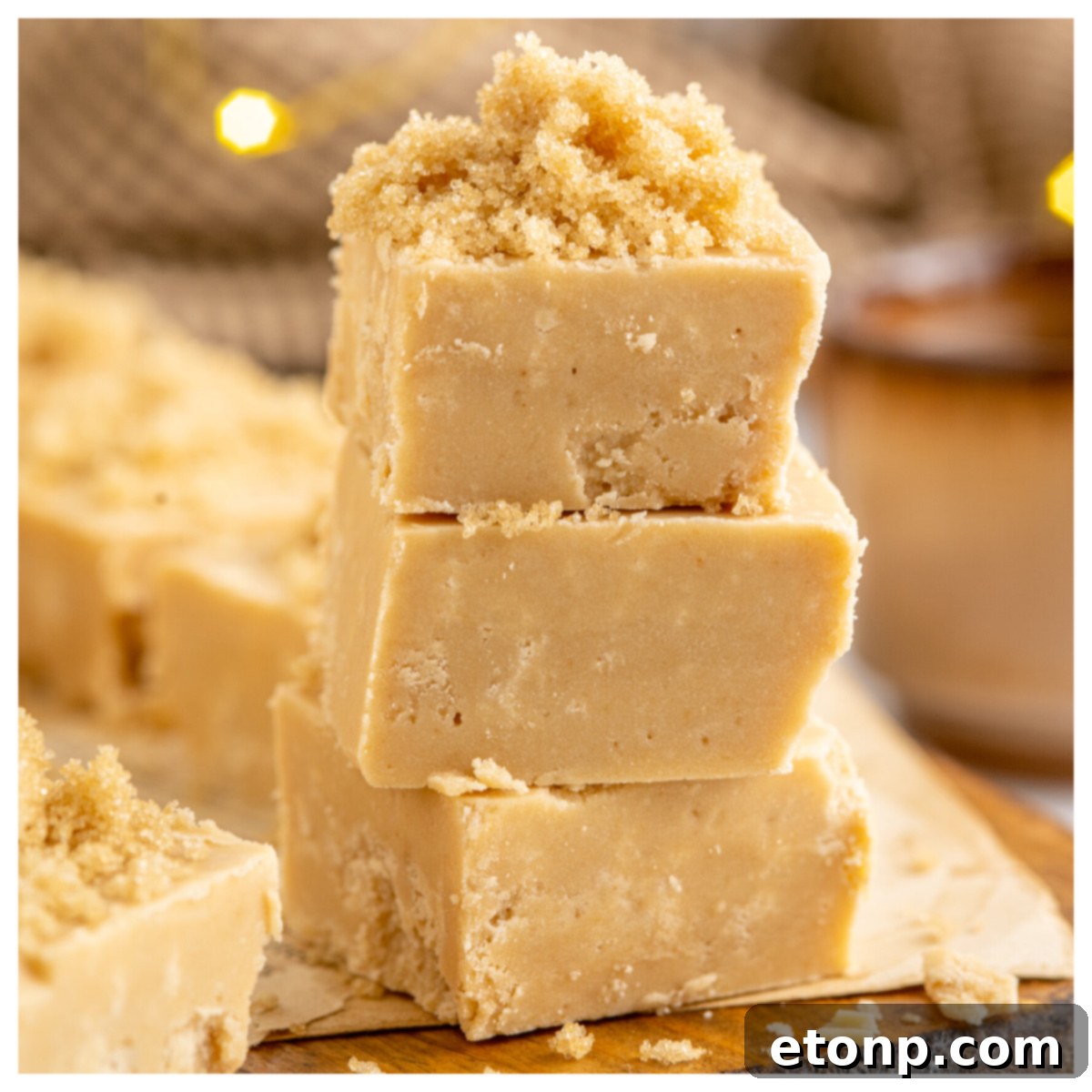
As the holiday season draws near, the delightful aroma of homemade treats fills kitchens everywhere. Among the beloved confections that grace festive tables and gift baskets, Penuche Fudge stands out as a true classic. Often referred to as **Brown Sugar Fudge**, this exquisite sweet boasts a distinctive flavor profile and an irresistibly creamy texture that differentiates it from its chocolate-based counterparts. Made with rich brown sugar, velvety evaporated milk, a touch of butter, and a hint of vanilla, this fudge promises a melt-in-your-mouth experience that is both comforting and deeply satisfying. Perfect for holiday dessert trays, thoughtful gifts, or simply a cozy evening indulgence, learning to make Penuche Fudge is a rewarding culinary journey that yields truly delicious results.
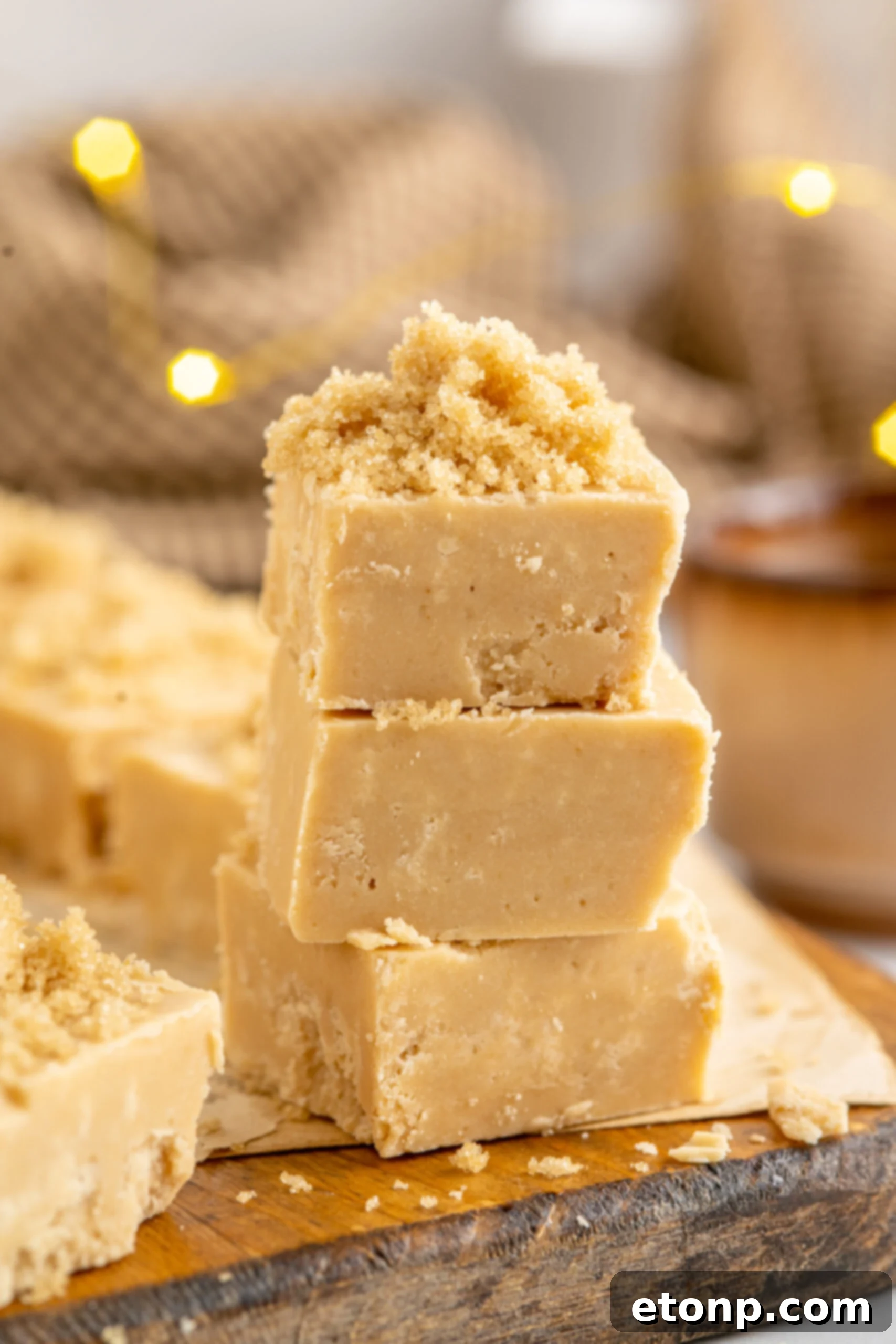
Crafting **Penuche Fudge** is an accessible and enjoyable way to bring the warmth of homemade desserts into your home. This brown sugar-based delicacy is not only a timeless treat but also offers ample opportunities for customization to suit individual tastes and dietary needs. With a handful of readily available ingredients and a few straightforward steps, you can whip up a batch of incredibly rich and smooth fudge. Imagine the tempting aroma slowly permeating your kitchen as this sweet masterpiece comes together – it’s an experience that’s as delightful as the fudge itself!
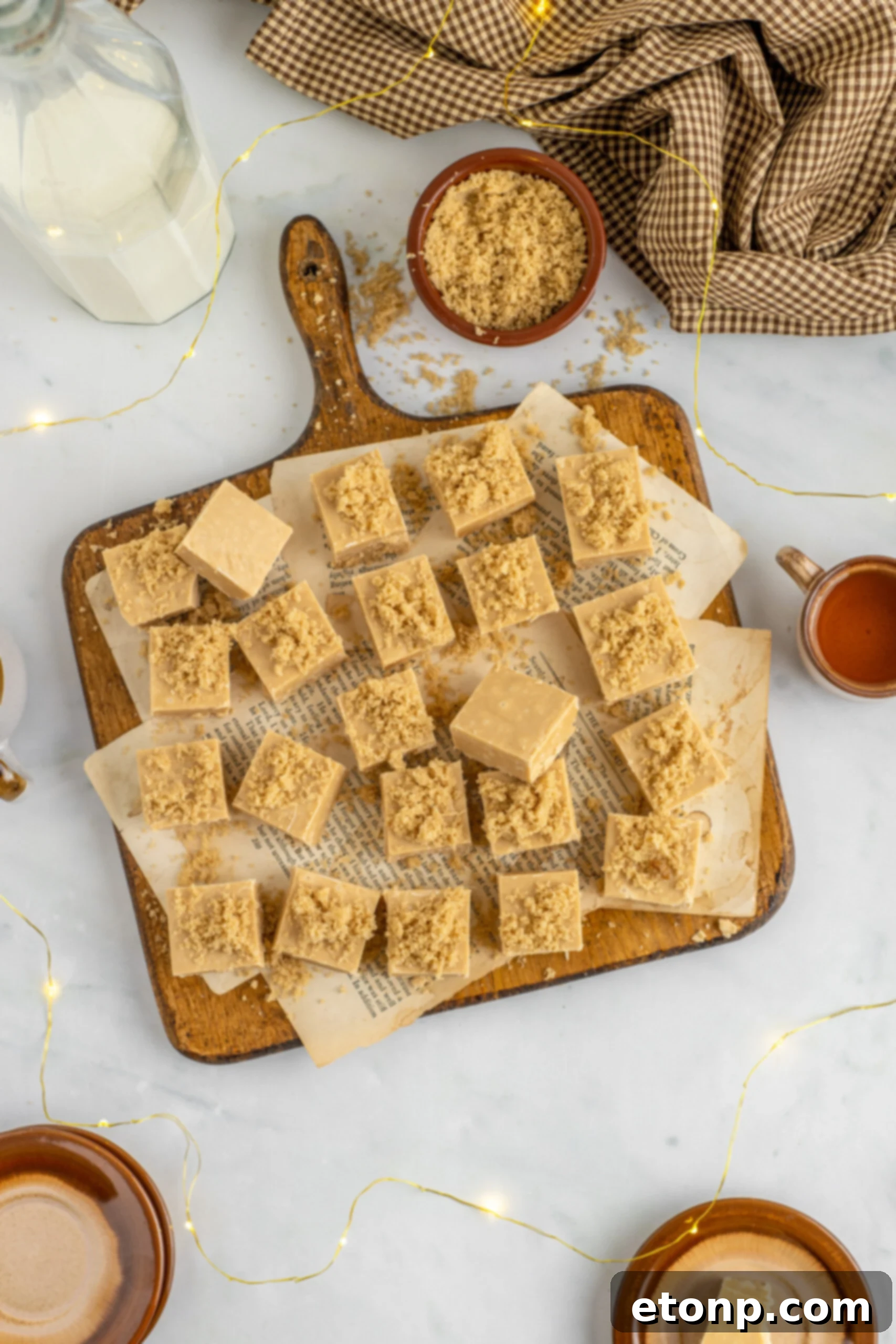
The beauty of homemade **Brown Sugar Fudge** lies in its simplicity and the profound satisfaction it brings. Unlike store-bought varieties, preparing Penuche Fudge from scratch allows you to control the quality of ingredients, ensuring a superior flavor and texture. This article will guide you through everything you need to know to create perfect Penuche Fudge every time, from understanding its unique characteristics to mastering essential cooking techniques and exploring delightful variations. Get ready to impress your friends and family with this unforgettable confection that will surely become a staple in your dessert repertoire.
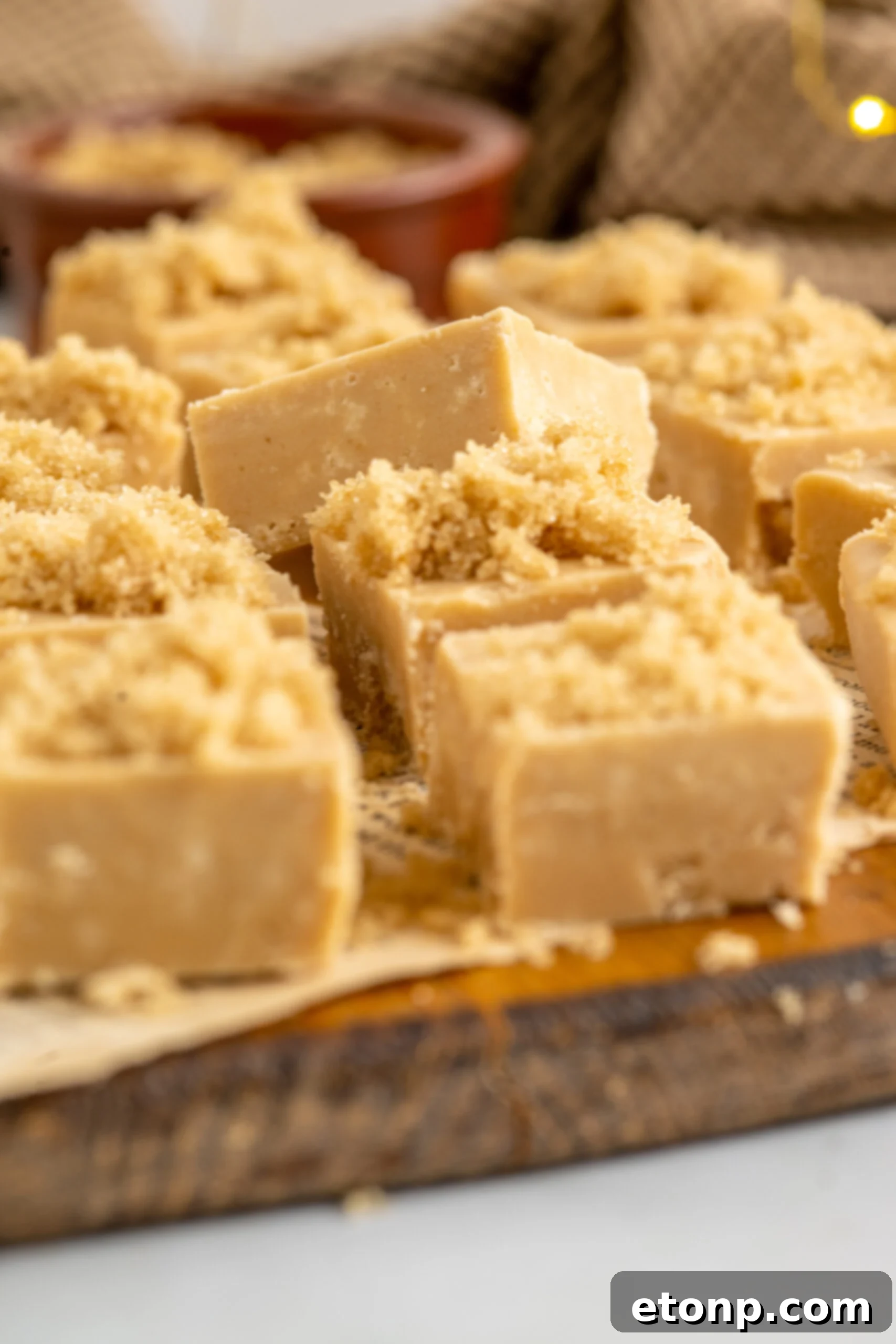
What Exactly is Penuche Fudge? A Deep Dive into Brown Sugar’s Best Friend
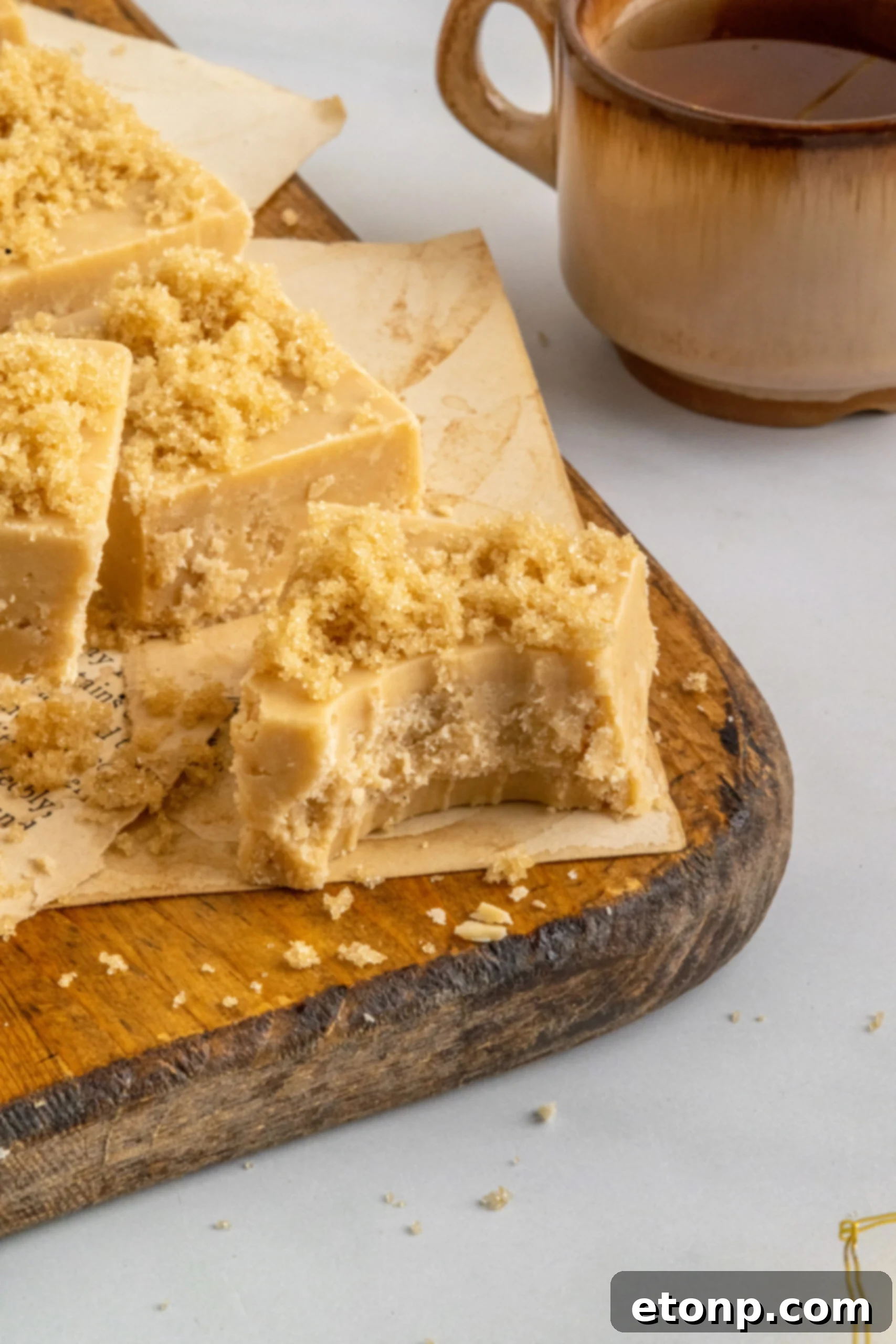
Penuche Fudge, distinctively known for its creamy, smooth, and slightly sticky texture, is a unique variety of fudge that diverges from the more common chocolate versions. Its signature flavor comes from its primary ingredient: brown sugar, which imparts deep caramel and butterscotch notes, creating a rich, profound sweetness. The name “Penuche” itself is believed to derive from either the French word “panachee,” meaning “to mix or stir,” possibly referring to the preparation method or the fudge’s gooey texture, or the Spanish word “panocha,” which describes a sweet, brown loaf or paste. This etymological connection hints at its historical roots as a rustic, homely sweet enjoyed across various cultures. Unlike traditional fudge, which often relies on granulated sugar and chocolate, Penuche emphasizes the warmth and complexity of brown sugar, butter, and milk (typically evaporated milk) to create a velvety, melt-in-your-mouth delight. The result is a fudge that is buttery, rich, and possesses a subtle toffee-like undertone, making it an exquisite treat for those who appreciate nuanced sweetness.
Essential Ingredients for Your Perfect Penuche Fudge
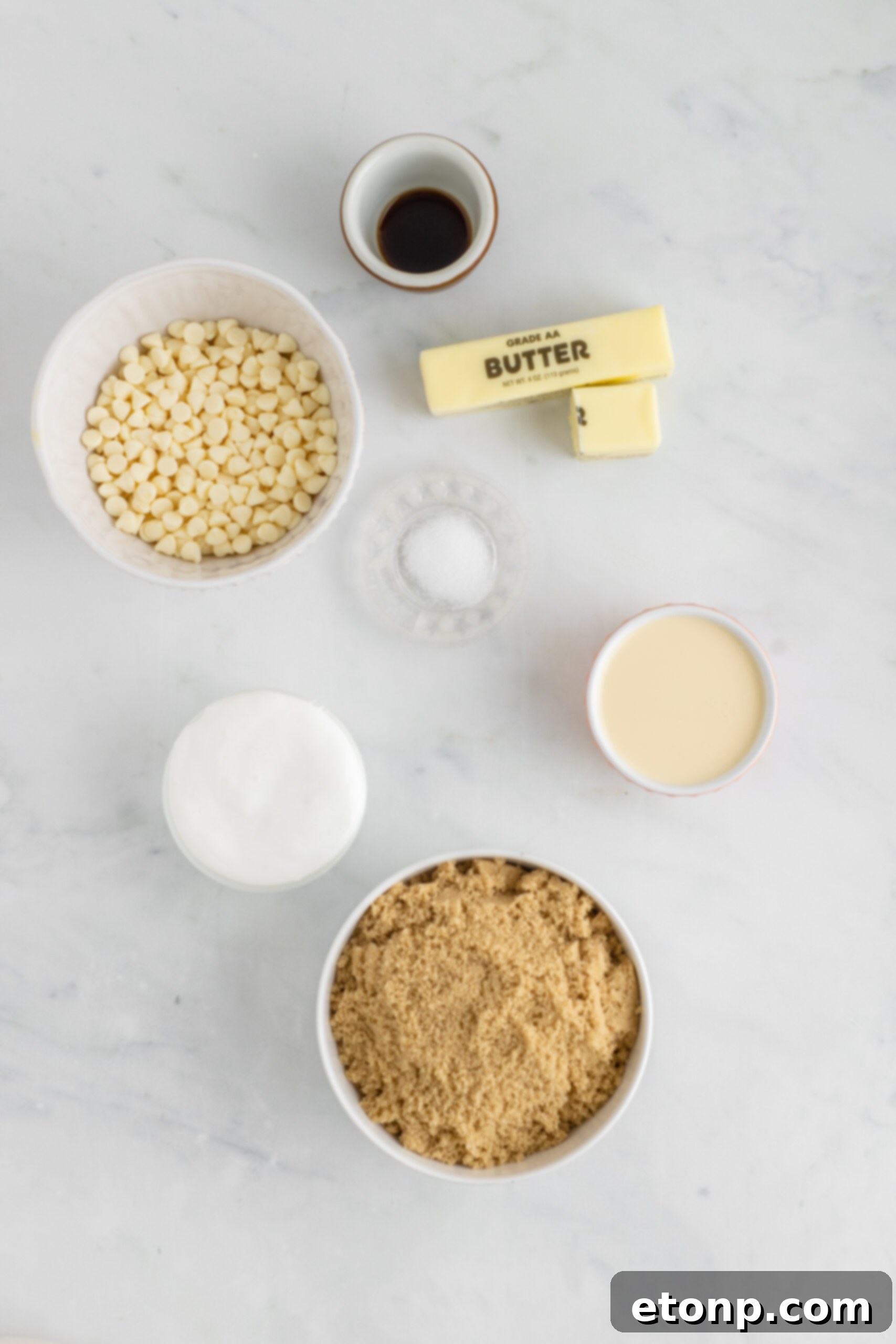
Creating an outstanding batch of **Penuche Fudge** starts with selecting the right ingredients. Each component plays a vital role in achieving that coveted creamy texture and rich, distinctive flavor. While the process is relatively simple, paying attention to the quality and type of ingredients can make all the difference. For precise measurements, always refer to the full recipe card, but here’s a breakdown of why each ingredient is crucial:
- Brown Sugar: The Heart of Penuche – This is the star of the show, giving **Penuche Fudge** its characteristic deep caramel flavor and beautiful golden-brown color. Unlike white granulated sugar, brown sugar contains molasses, which provides a more complex sweetness and contributes significantly to the fudge’s moist and chewy texture. For a richer, more intense flavor, you can opt for dark brown sugar, while light brown sugar offers a milder, sweeter profile.
- Salted Butter: For Richness and Balance – Butter is essential for the fudge’s luxurious mouthfeel and adds a crucial richness. Using salted butter is often preferred in this recipe as the salt helps to balance the sweetness of the brown sugar, enhancing the overall flavor without making it overly saccharine. If you only have unsalted butter on hand, simply add a slightly heaped 1/4 teaspoon of extra salt to compensate. Ensure your butter is at room temperature before you begin, as this allows it to melt and incorporate more smoothly into the mixture.
- Evaporated Milk: The Secret to Creaminess – Evaporated milk is key to achieving the incredibly smooth and creamy texture that defines great Penuche Fudge. Because it’s shelf-stable milk that has had about 60% of its water removed, it’s thicker and richer than regular milk. This higher concentration of milk solids and fat helps create a denser, more luxurious fudge that sets beautifully. While some recipes might suggest regular milk, evaporated milk yields a consistently superior, velvety texture.
- White Chocolate Chips: Enhancing Smoothness and Sweetness – White chocolate chips are added not just for an extra layer of sweetness, but also to contribute to the fudge’s silken texture. When melted, high-quality white chocolate (unlike cocoa-based chocolates) helps create an exceptionally smooth, pliable fudge. It also provides a subtle counterpoint to the deep brown sugar notes. While the original article mentions that other chocolate types like semisweet or milk chocolate *can* be used in other fudge recipes, for authentic Penuche Fudge, white chocolate chips are traditionally recommended.
- Marshmallow Fluff: The Softness Factor – Though not explicitly detailed in the initial ingredient descriptions, marshmallow fluff is often a crucial component in Penuche Fudge recipes. It contributes significantly to the fudge’s soft, chewy consistency and helps to prevent sugar crystallization, which can lead to grainy fudge. It acts as a stabilizer and imparts a delicate airy quality that makes the fudge truly melt in your mouth.
- Vanilla Extract: Aromatic Depth – A few drops, typically 1 to 1.5 teaspoons, of vanilla extract are vital for adding a warm, aromatic depth that complements the butter and brown sugar flavors. Opt for pure vanilla extract for the best flavor, as it enhances all the other ingredients without overpowering them.
- Salt: The Flavor Amplifier – Beyond the salt in salted butter, a small additional pinch or two of fine-grained salt is often added. This small amount is a flavor enhancer, helping to bring out the rich, complex notes of the brown sugar and butter, making the overall flavor profile more well-rounded and less one-dimensionally sweet. It’s often the unsung hero that elevates sweet treats from good to exceptional.
Expert Tips for Crafting the Easiest and Most Delicious Penuche Fudge
Making **Penuche Fudge** is a delightful process, and with these expert tips, you’ll achieve perfect results every time. These insights will help you avoid common pitfalls and ensure your fudge is wonderfully creamy and flavorful.
- Invest in Quality White Chocolate Chips: The Foundation of Smoothness – The quality of your white chocolate chips significantly impacts the final texture of your fudge. Brands like Ghirardelli or Nestle are highly recommended because their chocolate melts more smoothly and consistently. High-quality chocolate contains better fats and emulsifiers, which prevent the fudge from becoming grainy or seizing, ensuring that coveted creamy, luxurious texture. Don’t skimp here; it’s a small investment that pays off big in taste and consistency.
- Embrace the “Low and Slow” Cooking Method: Patience is Key – This is perhaps the most critical tip for flawless Penuche Fudge. Resisting the urge to cook the fudge on higher heat to speed up the process is paramount. Cooking too quickly will not allow the brown sugar to dissolve properly, leading to sugar crystals forming. When the fudge sets, these undissolved crystals will result in a grainy, crumbly texture rather than the smooth, soft fudge you desire. Simmering gently over medium heat ensures the sugar fully dissolves, creating a truly velvety finish.
- A Candy Thermometer is Your Best Friend: Precision Matters – For any fudge recipe, and especially for **Brown Sugar Fudge**, a reliable candy thermometer is absolutely essential. Fudge making is a science, and reaching the precise temperature of 236°F (113°C), known as the soft-ball stage, is crucial. Going even a few degrees over can make your fudge too hard and brittle, while undercooking will result in a fudge that fails to set properly and remains too soft or sticky. Use a thermometer to monitor the mixture constantly and remove it from the heat immediately once the target temperature is reached.
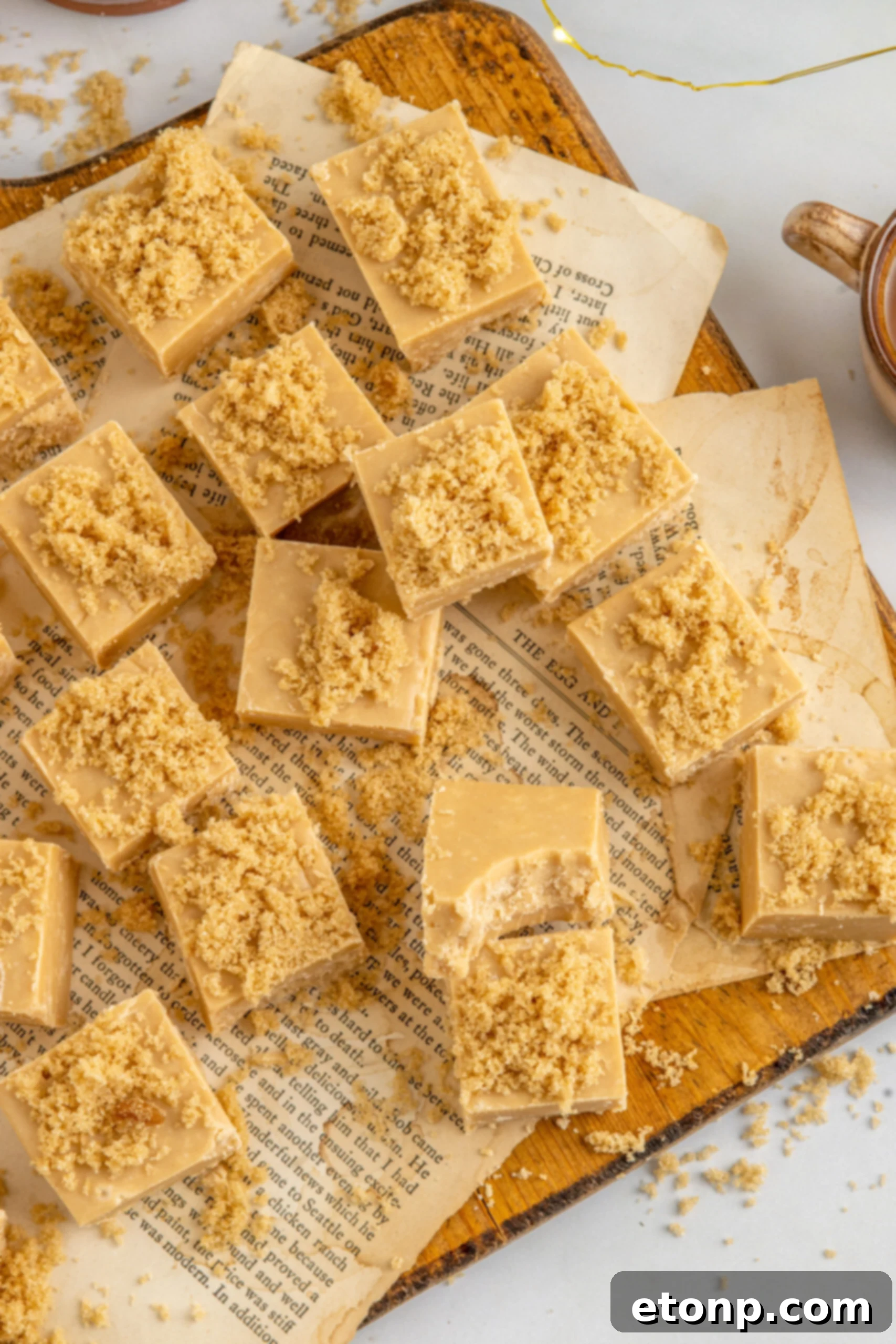
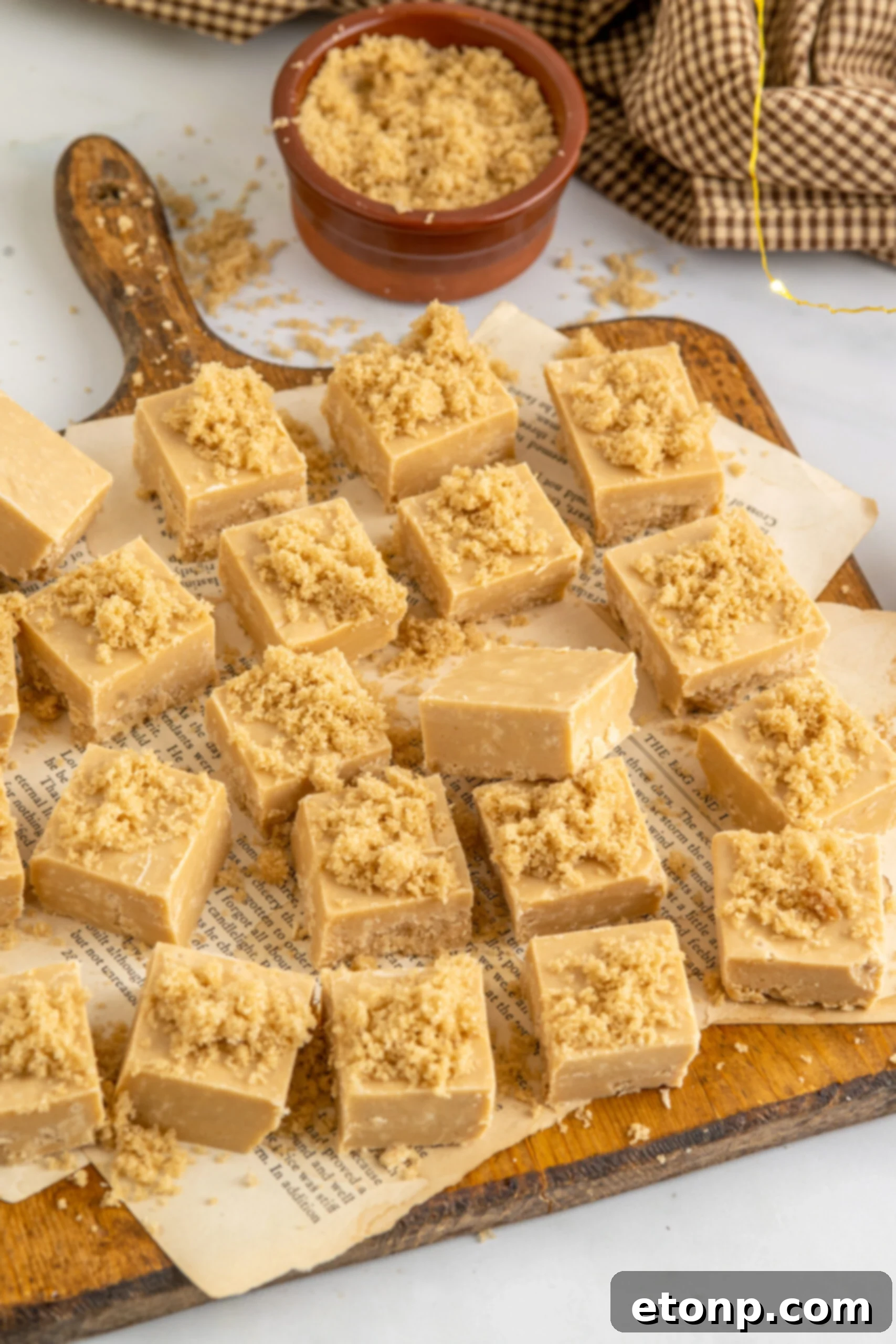
- The Brown Sugar Sprinkle: An Optional, Yet Delightful Touch – Once your delicious fudge bars have set and are ready to be sliced, consider sprinkling a light dusting of extra brown sugar over the top. This not only adds a beautiful rustic aesthetic but also provides an additional layer of rich brown sugar flavor and a pleasant textural contrast. It’s a simple garnish that elevates the entire experience.
- Prepare Your Pan Properly: Non-Stick Perfection – Before you even start cooking, ensure your baking dish (a 9×9 inch pan is ideal) is well-prepared. Lining it with parchment paper, allowing some overhang on the sides, is highly recommended. This makes lifting the set fudge out of the pan incredibly easy, allowing for clean, neat slices without any sticky struggles. You can also lightly grease the parchment paper for extra assurance.
- Avoid Scraping the Sides: Prevent Graininess – During the cooking process, resist the urge to scrape down the sides of the saucepan. Sugar crystals can form on the sides of the pan above the liquid line. If these crystals are stirred back into the fudge mixture, they can trigger a chain reaction, causing the entire batch to crystallize and become grainy. Once the mixture starts boiling, let it be, stirring only as directed.
- Cooling is Crucial: Set it Right – After cooking, the fudge needs sufficient time to cool and set properly. This usually takes at least 4 hours at room temperature, but some recipes may even benefit from overnight cooling. Avoid the temptation to rush this process by placing it in the refrigerator too soon, as rapid cooling can sometimes interfere with the setting process and affect the texture. Patience will reward you with perfectly firm yet creamy fudge.
How to Properly Store Your Delicious Penuche Fudge
Once you’ve successfully made a batch of homemade Penuche Fudge, proper storage is key to maintaining its exquisite flavor and creamy texture. To keep your fudge fresh, soft, and irresistible for as long as possible, ensure it’s stored correctly. Wrap the cooled fudge tightly in plastic wrap, making sure to minimize air exposure, or place it in an airtight container. This prevents it from drying out and absorbing odors from other foods. Stored this way, your **Brown Sugar Fudge** can be kept at room temperature for up to a week. For extended freshness, especially in warmer climates, refrigerate the fudge for up to two weeks. If you’re planning to enjoy your Penuche Fudge much later, it freezes beautifully for up to three months. When ready to serve, simply thaw it at room temperature, and it will regain its wonderful texture. Always bring refrigerated or frozen fudge back to room temperature before serving for the best possible experience, allowing its rich flavors to fully bloom.
Common Questions About Penuche Fudge Answered
What is the typical texture of Penuche Fudge?
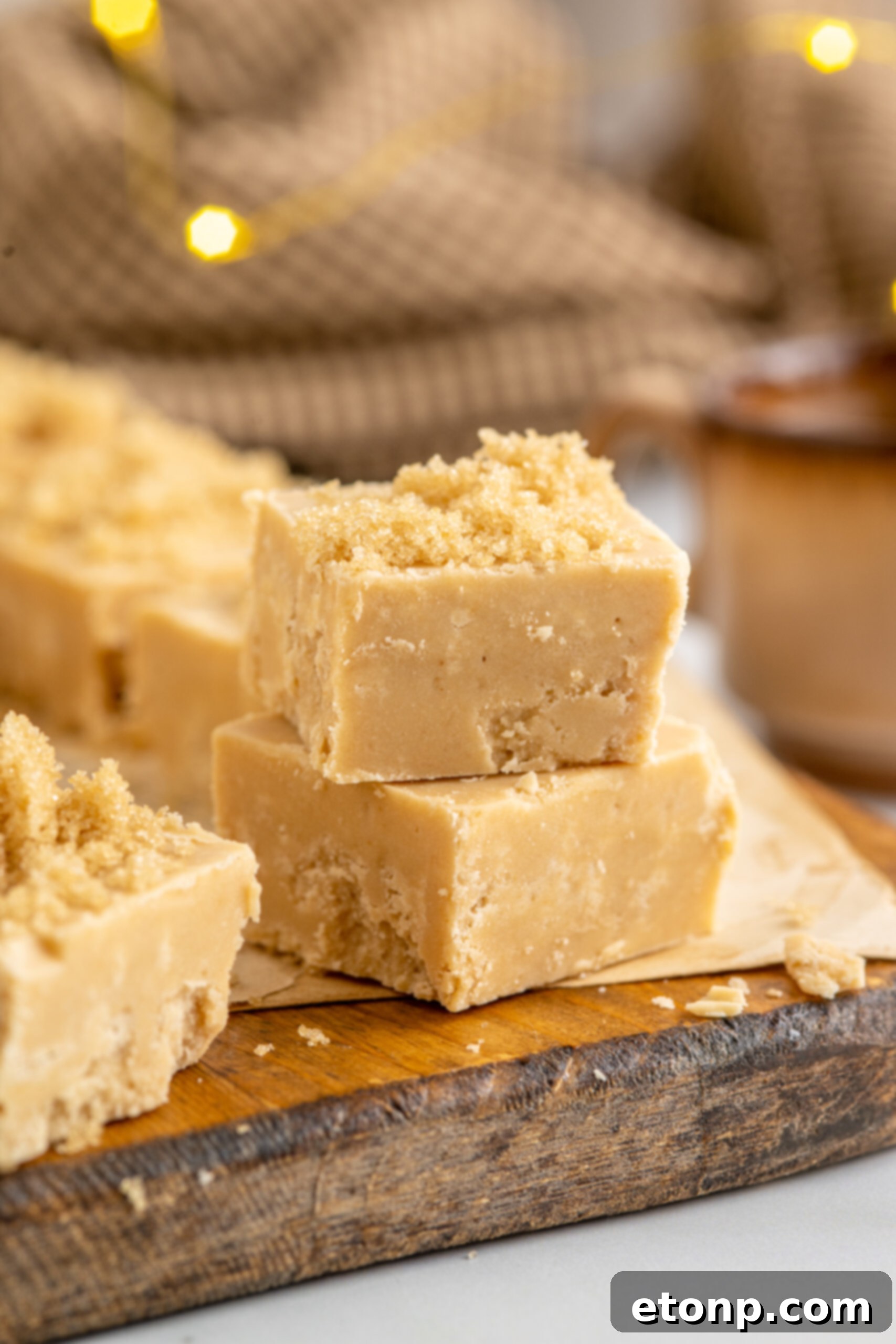
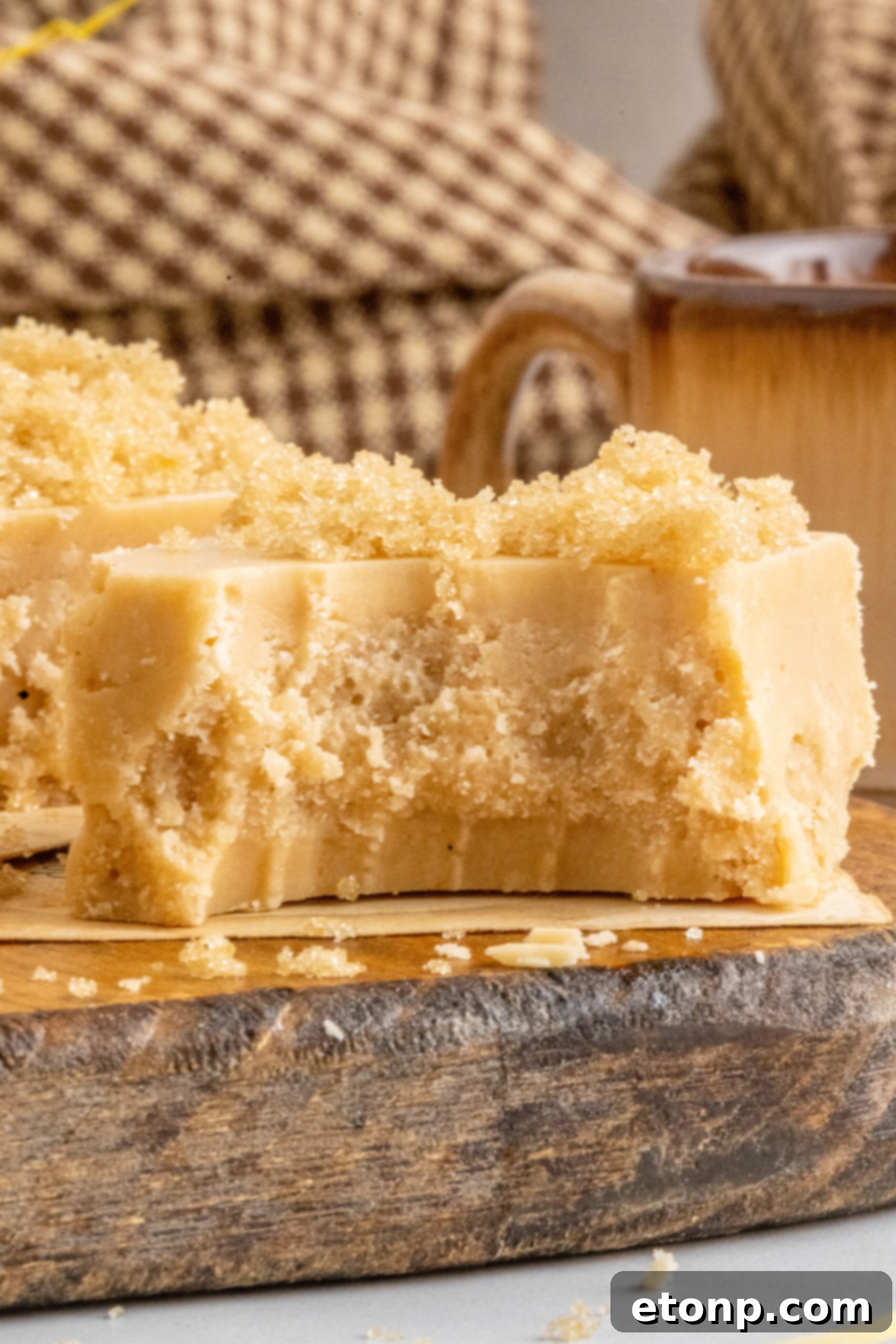
The texture of Penuche Fudge is truly one of its most delightful characteristics. It’s wonderfully soft, lusciously chewy, and beautifully thick, offering a melt-in-your-mouth experience that is unique among fudges. Each bite is rich and buttery, dissolving slowly on the tongue. This smooth, creamy consistency makes it an ideal pairing with a robust cup of hot coffee or tea, where its sweetness and depth can be fully appreciated. It’s designed to be firm enough to hold its shape but yielding enough to be incredibly tender.
Is Penuche Fudge difficult to prepare?
No, making **Penuche Fudge** is surprisingly easy and requires only a few basic ingredients, making it an excellent recipe even for novice confectioners. The key to success lies in careful measurement and temperature control, especially when working with sugar. While it does involve cooking sugar to a specific temperature, using a candy thermometer simplifies this step immensely. Furthermore, the recipe is quite versatile, allowing you to easily customize it by incorporating your favorite flavors or spices, such as a hint of cinnamon, a touch of nutmeg, or even a subtle kick of ginger. Just remember to follow the instructions carefully, especially the simmering times and temperature guidelines, and you’ll be rewarded with a perfect batch of homemade fudge.
What is the distinctive flavor of Penuche Fudge?
Penuche Fudge boasts a remarkably rich, buttery flavor profile that is distinctively sweet, often with pleasant toffee-like undertones. This unique taste comes predominantly from the caramelized brown sugar, which lends a depth of flavor that is both comforting and sophisticated. The texture is consistently smooth and creamy, enhancing the overall sensory experience. It’s a delightful treat that stands apart from typical chocolate fudges, offering a warm, inviting sweetness that is perfect for any time of day, whether as a dessert after a meal or a sweet pick-me-up.
What is the origin or meaning of the word “Penuche”?
The word “Penuche” has an interesting linguistic background. It is widely believed to be derived from the French word “panachee,” which translates to “to mix or stir.” This could certainly refer to the diligent mixing of ingredients required during the preparation of this classic fudge, or perhaps to its inherently sticky and gooey texture. Another strong theory suggests that Penuche might be a variation of the Spanish word “panocha.” In Spanish, “panocha” refers to a sweet, brown loaf or paste, often made from unrefined sugar, which aligns perfectly with the core characteristics of Penuche Fudge. Regardless of its exact etymology, the name evokes a sense of artisanal, old-fashioned sweetness, reflecting its rich history as a beloved confection.
Can I add nuts or other ingredients to Penuche Fudge?
Absolutely! Penuche Fudge is wonderfully versatile and responds beautifully to additions. Common customizations include stirring in chopped pecans, walnuts, or almonds after the mixture has been removed from the heat and before it’s poured into the pan. For an extra layer of flavor, consider adding a pinch of cinnamon, a dash of nutmeg, or even a swirl of salted caramel sauce. Just ensure any additions are mixed in thoroughly but gently to maintain the fudge’s smooth consistency. These variations can transform the classic recipe into a personalized treat.
What if my fudge turns out grainy or too soft?
Grainy fudge is almost always a result of sugar crystallization, often caused by either not dissolving the sugar completely at the beginning, or stirring the mixture too much while it’s boiling, especially scraping down the sides where crystals can form. To prevent this, ensure sugar is fully dissolved before the mixture comes to a full boil, and avoid agitating it excessively during the simmering phase. If your fudge is too soft, it usually means it didn’t reach the correct temperature (236°F / soft-ball stage). A reliable candy thermometer is your best defense against this. If it’s too hard, it was likely cooked past the soft-ball stage. With practice and precision, these issues become rare!
More Irresistible Recipes You Will Love!
If you’ve enjoyed making this delicious **Brown Sugar Fudge**, you’ll surely love exploring other delightful fudge recipes. Here are a few recommendations to expand your confectionery repertoire:
Fantasy Fudge Recipe: A Timeless Chocolate Classic
No-Bake Cookies & Cream Fudge: Quick, Easy, and Delicious
3 Ingredient Fudge: Simple, Customizable, and Fun
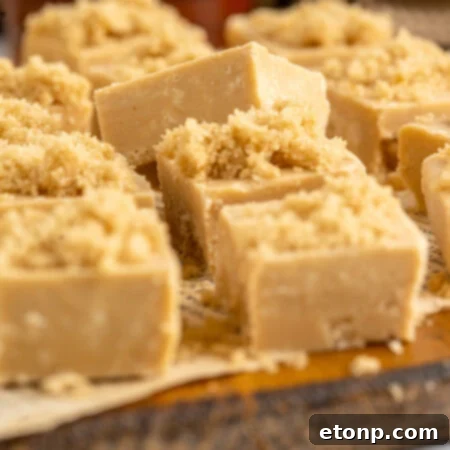
Penuche Fudge
Ingredients
- 2 2/3 cups Brown sugar
- 2/3 cup Salted butter room temp
- 2/3 cup Evaporated milk
- 1 cup White chocolate chips
- 1 cup Marshmallow fluff
- 1 1/2 tsp Vanilla extract
- 1 tsp Salt
Instructions
- Line a 9×9” baking dish with parchment paper and set aside.
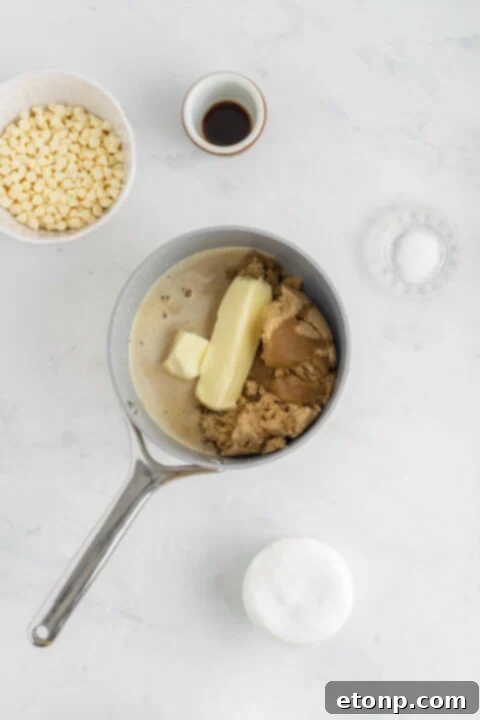
- Combine brown sugar, butter, and evaporated milk in a medium-sized saucepan.
- Bring to a boil over medium-high heat, then reduce to a simmer until the temperature reaches 236°F (113°C), which usually takes about 20 minutes. Use a candy thermometer for accuracy.
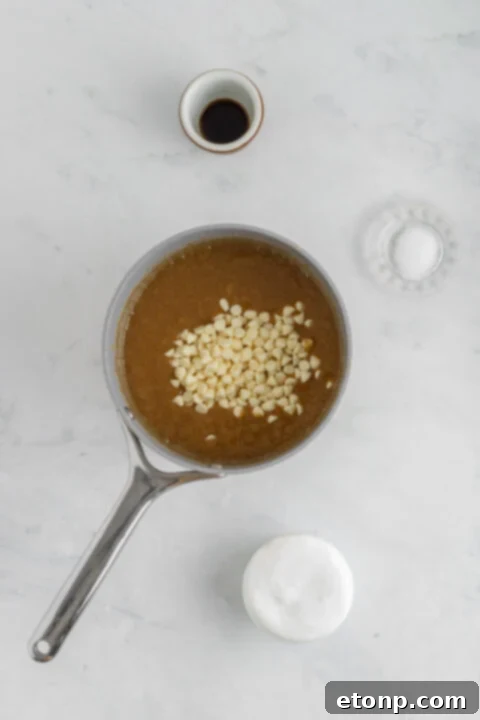
- Once the target temperature is reached, remove the saucepan from the heat and immediately add in the white chocolate chips. Stir continuously until the chocolate is fully melted and the mixture is smooth.
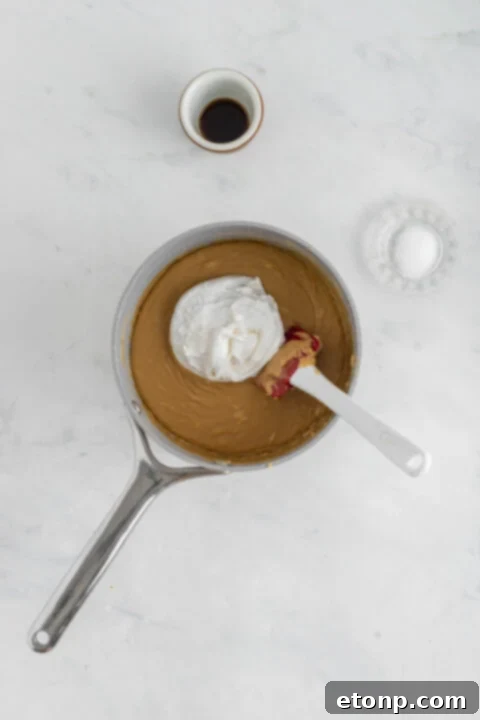
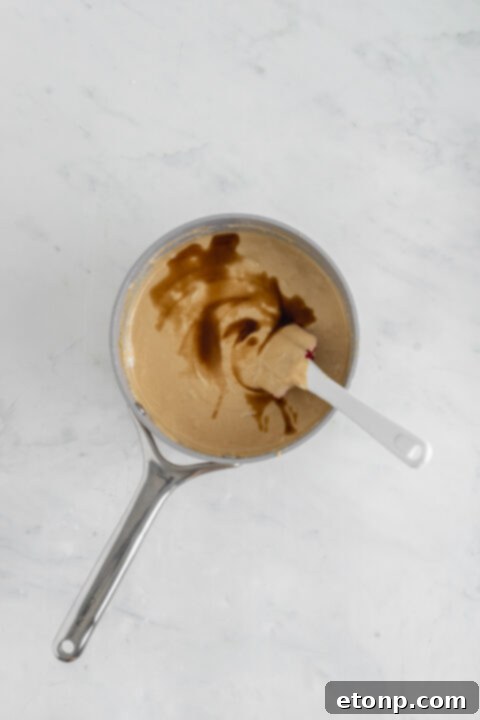
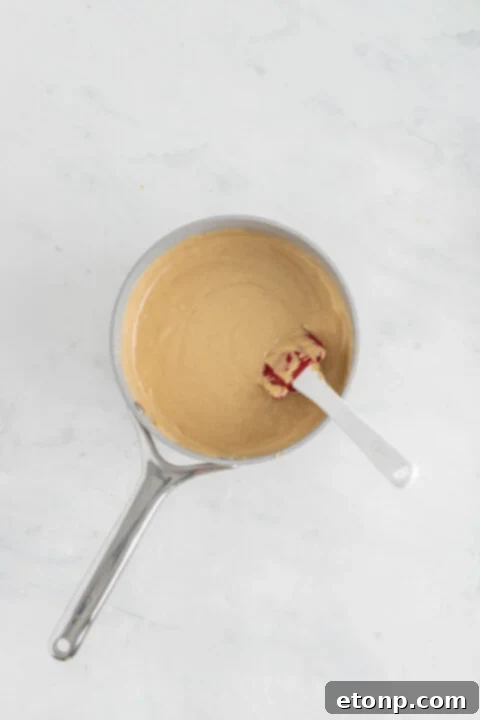
- After the white chocolate is melted, incorporate the marshmallow fluff, mixing well until fully combined. Then, add the vanilla extract and salt, stirring until they are evenly distributed throughout the fudge mixture.
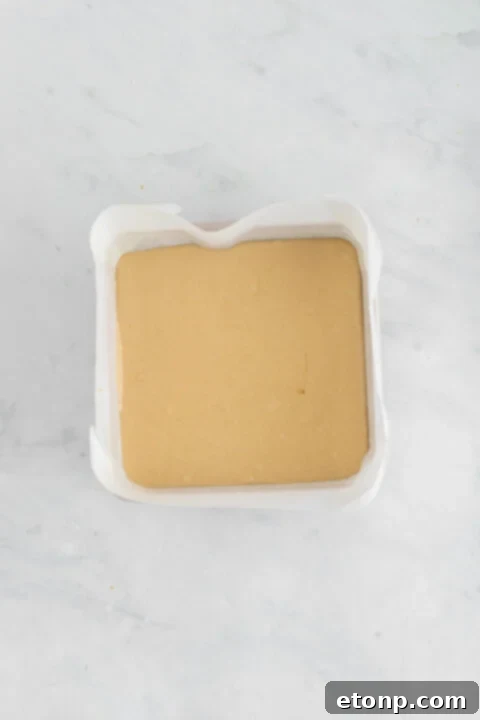
- Quickly transfer the hot fudge into the prepared baking dish. Spread it evenly using a spatula. Let the fudge sit undisturbed at room temperature for at least 4 hours, or until it is completely set. Once firm, lift the parchment paper to remove the fudge, slice it into squares, and serve.
Did you make this recipe?
Make sure to follow on Pinterest for more recipes!
Pin Recipe
Share on Facebook