

Uncover the Secrets: Surprising Facts You Never Knew You Needed to Know
Prepare to have your perception shifted. Life is full of intriguing mysteries and hidden truths that, once revealed, can change the way you approach everyday habits and important decisions. From simple daily routines to crucial safety measures and even the emotional lives of our beloved pets, there’s a wealth of knowledge waiting to be discovered. We’ve compiled a list of truly fascinating facts that you might not have known, but which hold the potential to make a significant difference in your well-being and understanding of the world around you. Dive in and explore these eye-opening insights – they are truly must-reads that will leave you both surprised and better informed.
Why You Shouldn’t Make Your Bed Immediately After Waking Up

What?! Not make my bed, you might ask? Doesn’t that go against everything we were taught about tidiness?
Contrary to popular belief and ingrained habits, making your bed first thing in the morning might actually be detrimental to your health. While a neatly made bed certainly looks appealing, it inadvertently creates an ideal breeding ground for microscopic organisms that share your sleeping space: dust mites. These tiny creatures thrive in warm, moist environments, and a freshly made bed traps the humidity and warmth accumulated during the night beneath the sheets and blankets.
Research suggests that leaving your bed unmade for a period allows it to air out naturally. As the sheets and mattress cool down and dry, the environment becomes less hospitable for dust mites, potentially dehydrating and killing them. A single mattress can harbor millions of dust mites, and their droppings are a common trigger for allergies and asthma. Symptoms can range from sneezing, runny nose, and itchy eyes to more severe respiratory issues. By simply pulling back your covers and allowing your bed to breathe for an hour or so before making it (or even leaving it slightly dishevelled), you can significantly reduce the dust mite population and improve your bedroom’s air quality. This small change can lead to big benefits for your respiratory health and overall well-being.
The Surprising Link Between Eating Speed and Weight Gain

How can eating fast make me gain weight, faster? It’s just about calories, isn’t it?
While calorie intake is undoubtedly a major factor in weight management, the speed at which you consume your food plays a surprisingly critical role. If you’re trying to manage your weight or simply maintain a healthy lifestyle, scarfing down your meals quickly could be counterproductive. Scientific studies have confirmed that eating rapidly can disrupt the natural hormonal signals that regulate satiety.
When you eat, your stomach and intestines begin to release hormones, such as cholecystokinin (CCK) and peptide YY (PYY), which signal to your brain that you are full. However, there’s a natural time delay – typically around 15 to 20 minutes – before these satiety signals fully register in your brain. If you eat too quickly, you can consume a significant amount of food, often beyond what your body truly needs, before your brain has a chance to receive the “stop eating” message. This leads to inadvertent overeating, where you might feel stuffed only after finishing your meal, rather than sensing fullness progressively.
Conversely, practicing mindful eating – taking smaller bites, chewing thoroughly, savoring flavors, and putting down your fork between mouthfuls – allows your body’s intricate signaling system to work effectively. By slowing down, you give your body the crucial time it needs to release satiety hormones and communicate with your brain, helping you recognize when you’ve had enough. This not only aids in weight management but also improves digestion, enhances the enjoyment of your food, and can lead to better nutrient absorption. Making a conscious effort to slow down at meal times is a simple yet powerful strategy for better health.
The Hidden Danger: Short Drivers, Seat Position, and Airbag Safety

How does my seat position determine my safety in my car? I thought texting and speeding were the main dangers!
While distracted driving and excessive speed are indeed major contributors to road accidents, many drivers overlook another critical safety factor: their seating position relative to the steering wheel. This is particularly vital for shorter individuals but applies to everyone behind the wheel. The National Highway Traffic Safety Administration (NHTSA) issues a crucial recommendation: there should be at least 10 inches of distance between your breastbone and the steering wheel to ensure optimal safety.
The reason for this recommendation lies in the incredible power of your vehicle’s airbags. Designed to deploy instantaneously upon impact, a steering wheel airbag generates an explosive force of nearly 2,000 pounds and expands at speeds approaching 200 miles per hour. While this immense force is intended to cushion an adult occupant safely, being too close to the steering wheel at the moment of deployment can turn this life-saving device into a serious hazard.
If you are too close, the airbag may not have sufficient space to fully inflate before it makes contact with your body. This can result in severe injuries to the face, head, chest, and neck, which can be even more damaging than the impact of the crash itself. For shorter drivers who often position their seats very far forward to reach the pedals comfortably, this risk is significantly heightened. Solutions include using pedal extenders, adjusting the steering wheel (if adjustable) as far up and away from you as possible, and ensuring proper posture to maximize the safe distance while maintaining control of the vehicle. Prioritizing this aspect of driving safety can be as critical as wearing your seatbelt.
The Emotional Lives of Our Canine Companions: Your Dog Actually Gets Jealous

My sweet little furbaby? Never! They’re just always happy, right? 🙂
For years, pet owners have anecdotally reported observing behaviors in their dogs that seem indicative of jealousy. Now, scientific research is providing concrete evidence to support these observations. An extensive study conducted at the University of California, San Diego, provided compelling proof that dogs do indeed experience and display jealous behaviors when they perceive their owner showering affection or attention on something or someone else.
In the study, dogs were exposed to situations where their owners interacted with a realistic-looking stuffed dog, a children’s book, or a neutral object. The results showed that dogs were significantly more likely to nudge, push, or get between their owners and the “rival” stuffed dog, often barking or whining, as if trying to break up the interaction. Dr. Christine Harris, one of the lead researchers, noted, “Our study suggests not only that dogs do engage in what appear to be jealous behaviors but also that they were seeking to break up the connection between the owner and a seeming rival.” This indicates that canine jealousy is not merely a projection of human emotions onto pets, but a complex behavioral response rooted in their social bonds and attachment to their primary caregivers.
This emotional capacity highlights the depth of the human-dog bond. Understanding that your dog can feel jealous can help you better manage interactions, especially in multi-pet households or when introducing new family members (like babies or partners). It encourages owners to acknowledge and gently reassure their dogs, ensuring they still feel secure and loved, even when attention is divided. Recognizing these nuanced emotions helps us build even stronger, more empathetic relationships with our loyal companions.
The Ultimate Culprit: The Food Most Likely to Cause Weight Gain
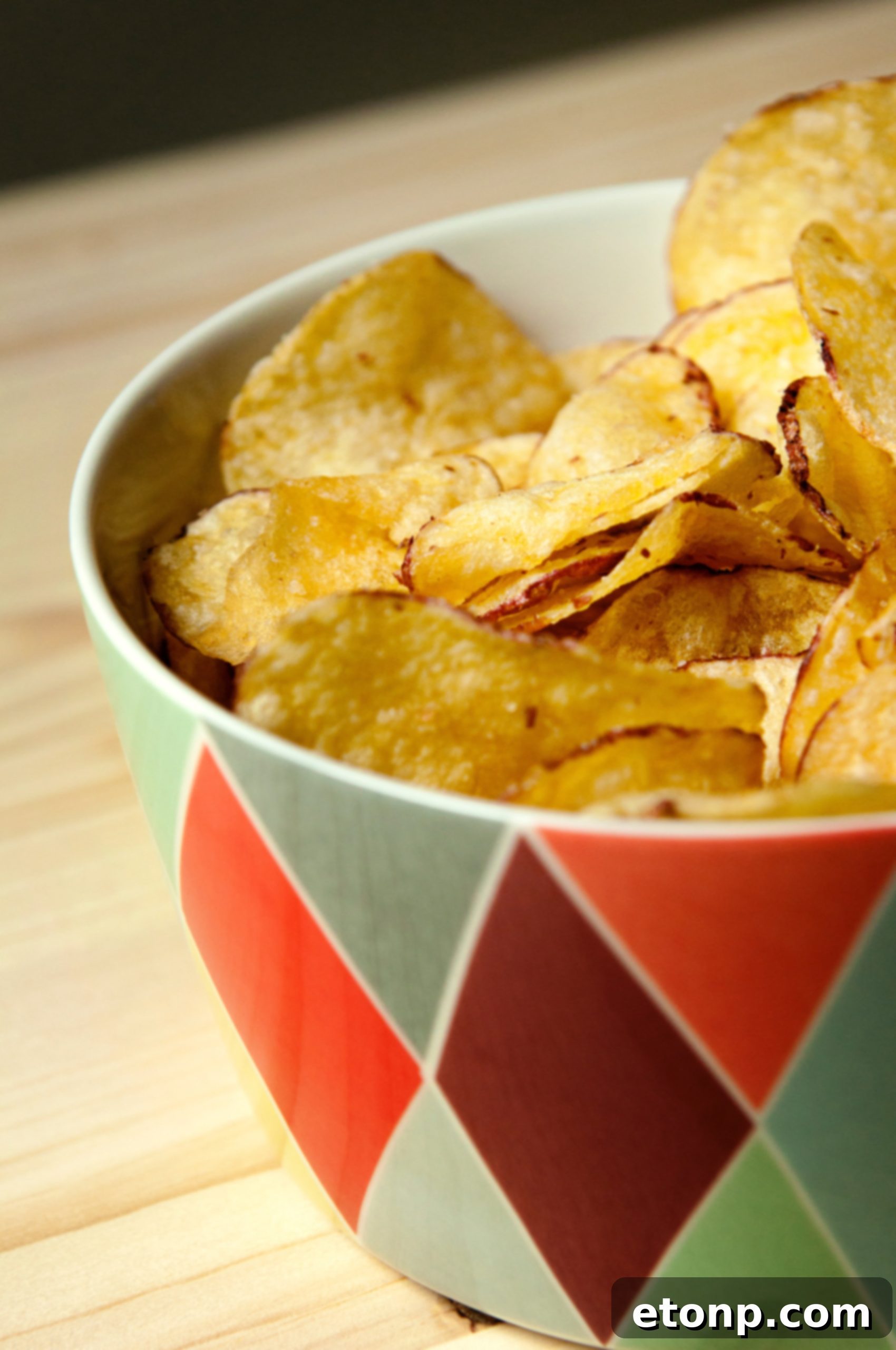
What? It can’t be… but my precious Doritos! Is there really one food worse than all others?
When it comes to foods that contribute most significantly to weight gain, many people might point to sugary drinks, fast food, or decadent desserts. However, a landmark study conducted at Harvard University meticulously analyzed the dietary habits of over 120,000 participants over several years to pinpoint the foods most strongly associated with long-term weight gain. The findings were quite surprising to many, as a seemingly innocuous snack claimed the top spot: potato chips.
This comprehensive study revealed that potato chips were the single biggest dietary contributor to weight gain among its participants. The reasons are multifaceted. Potato chips are typically high in calories, unhealthy fats, and sodium, and they offer very little in terms of fiber or protein, which are key for satiety. Their highly palatable nature – the perfect blend of salt, fat, and crunch – makes them incredibly easy to overeat without feeling full. This “bliss point” in taste makes it difficult to stop after just a few chips, leading to excessive calorie consumption.
The study also identified other significant contributors to weight gain: potatoes (in forms other than chips, such as french fries), sugar-sweetened beverages (soda, fruit juices with added sugar), and unprocessed red meat. These foods, often consumed in large portions or as part of a generally unhealthy diet, can collectively lead to substantial weight gain over time. The implication is clear: when you’re reaching for a snack, consider healthier alternatives like fruits, vegetables, or nuts, and try to steer clear of the chip aisle. Making conscious choices about these common culprits can have a profound impact on your weight and overall health.
We hope these surprising facts have given you some new perspectives and valuable insights to apply to your daily life. Knowledge is power, and understanding these hidden truths can empower you to make healthier, safer, and more mindful choices.