
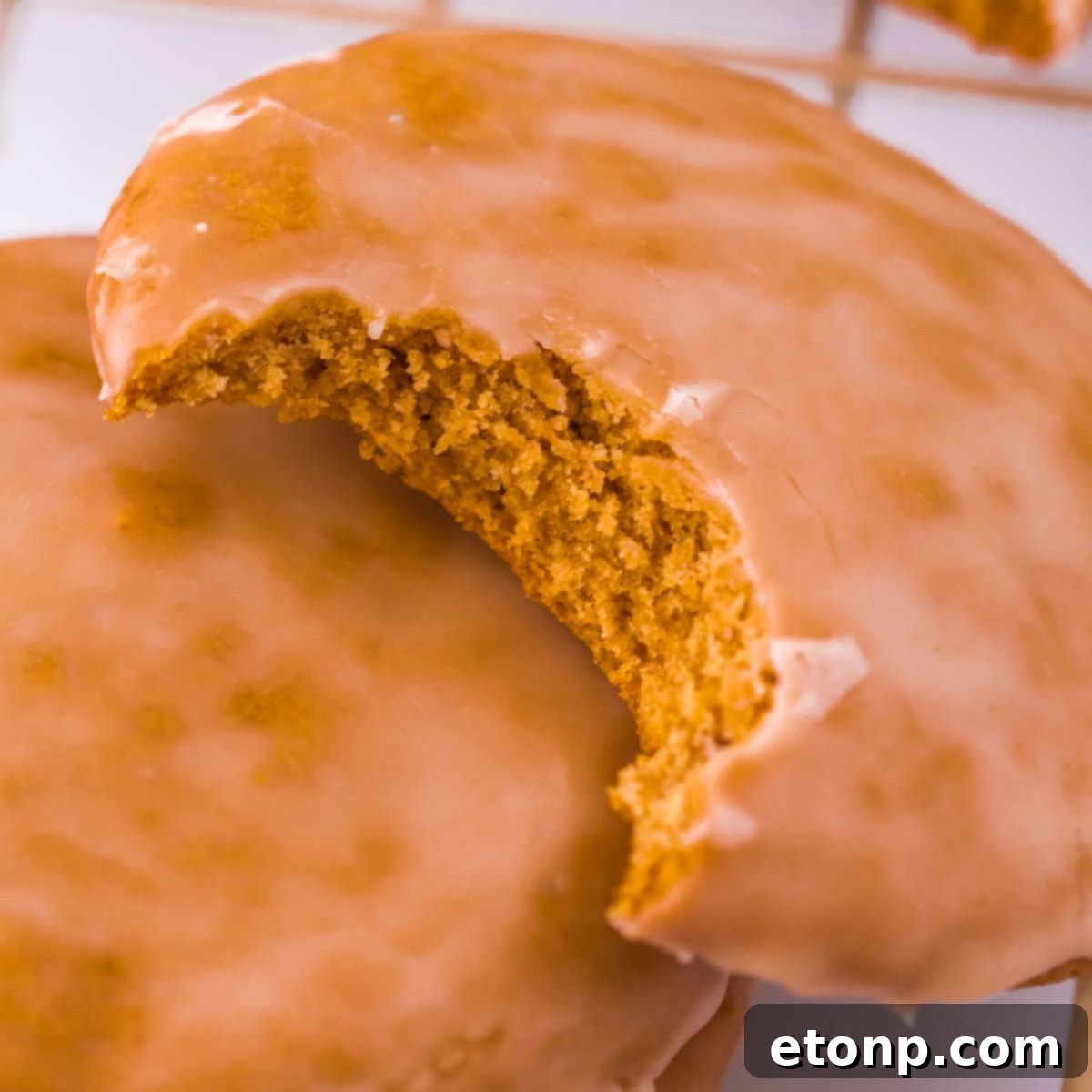
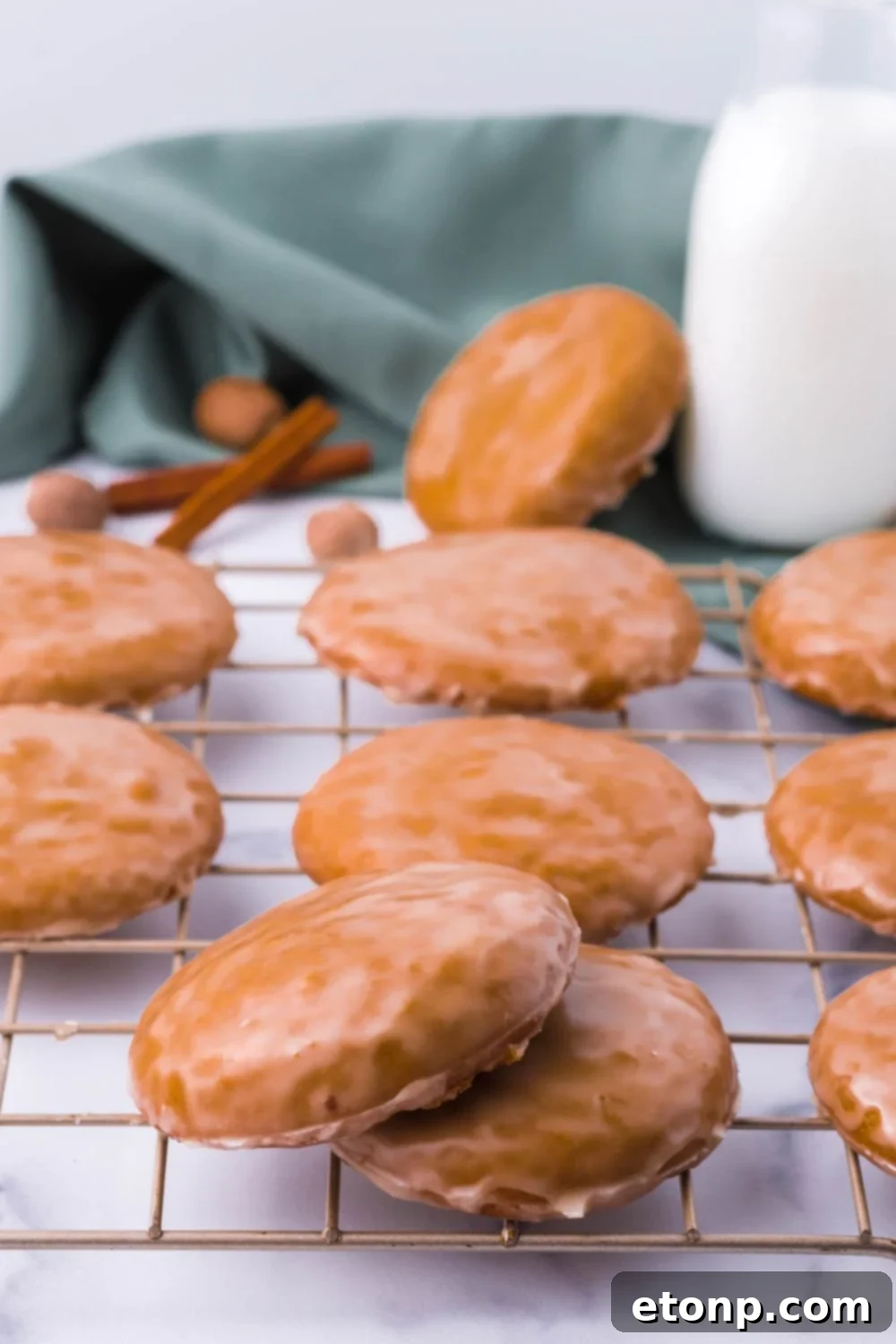
Step into a world of timeless German baking with Lebkuchen, a cherished classic known across the globe as German gingerbread cookies. This vintage recipe has delighted generations, offering a soft, aromatic, and deeply satisfying cookie experience. Each bite reveals a symphony of warm spices, perfectly balanced with the rich notes of molasses, all crowned with a delicate, sweet icing that elevates these treats to pure perfection. While famously associated with the festive season, these delightful gingerbread cookies are so irresistible, you’ll want to bake and enjoy them all year round.
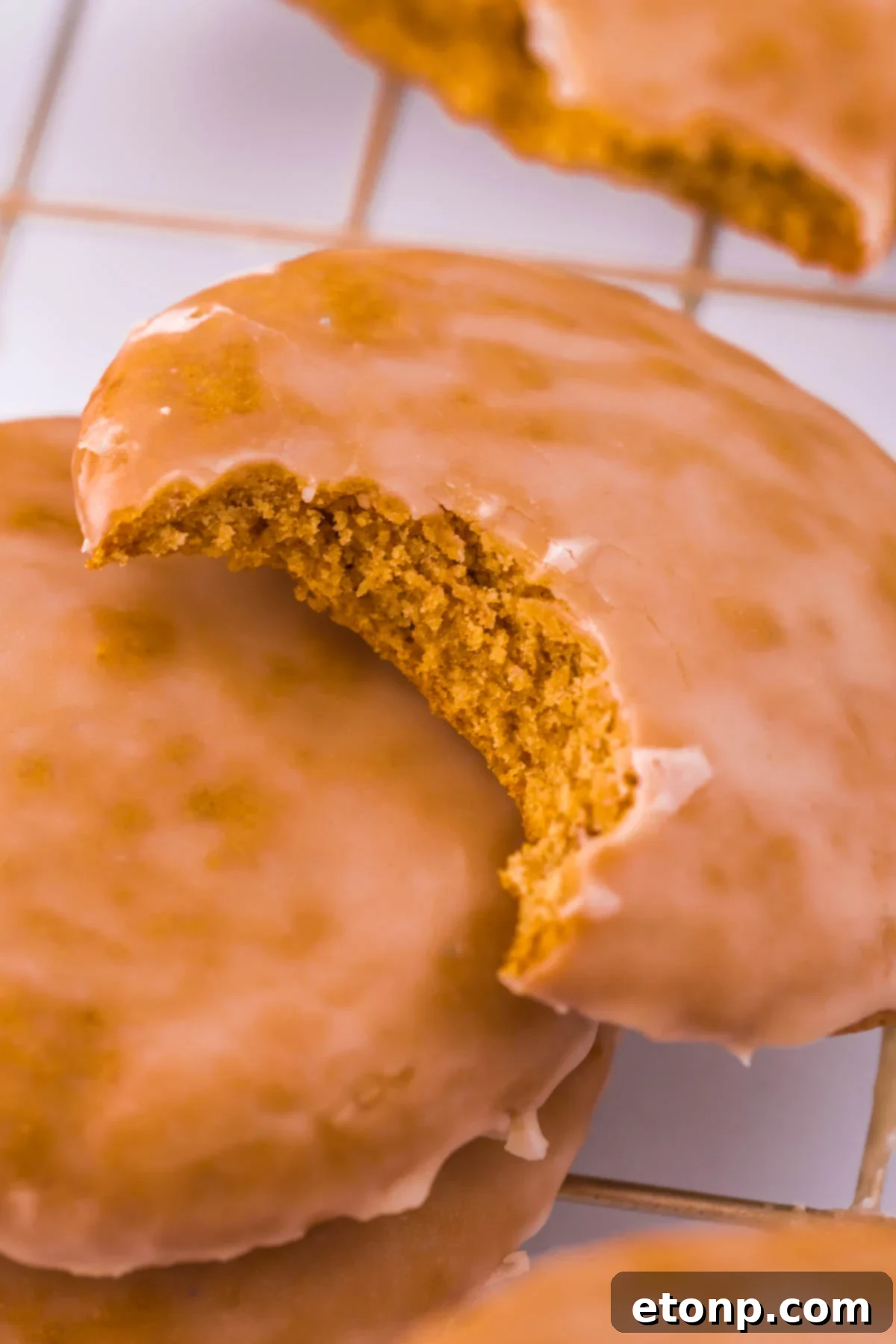
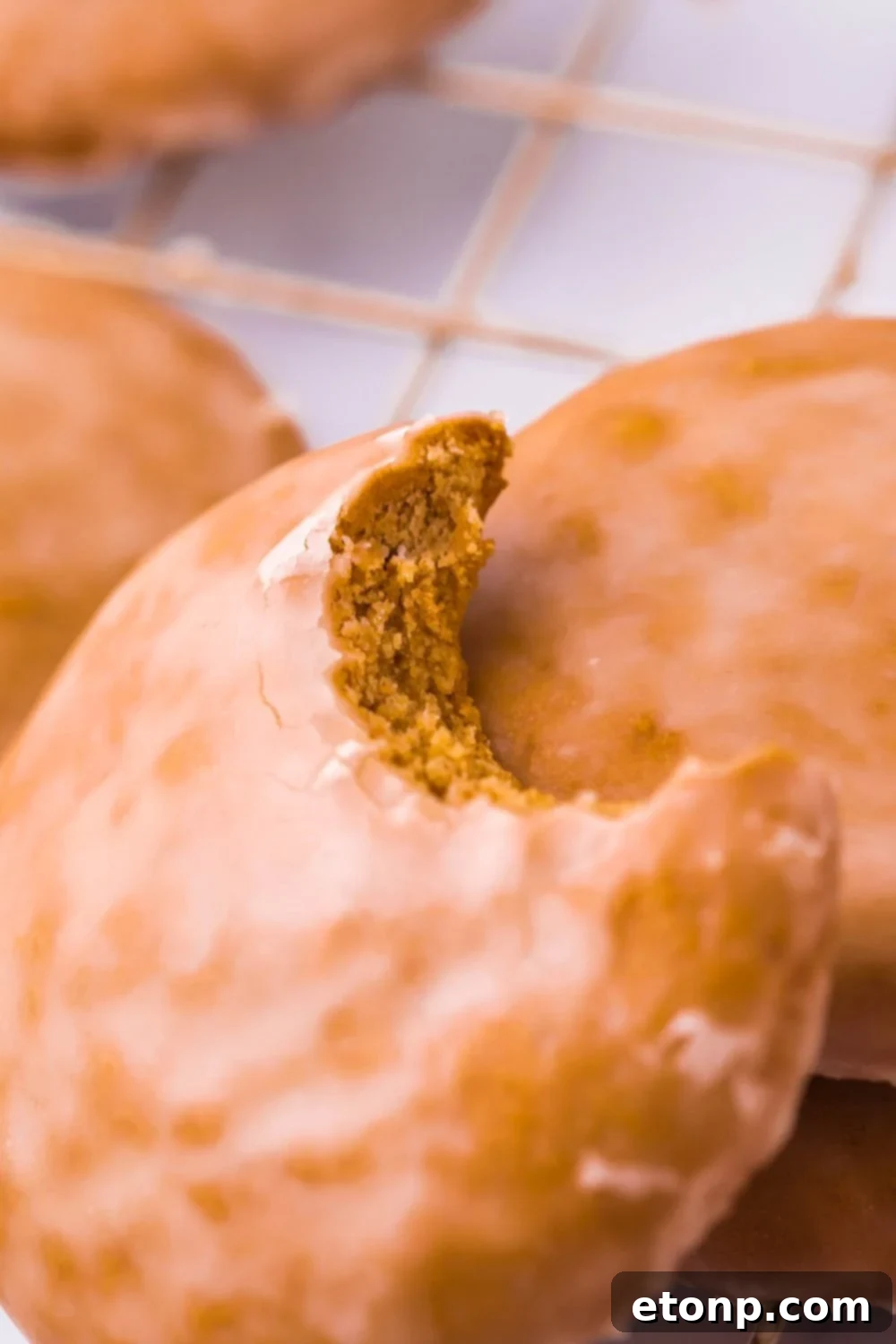
These authentic German gingerbread cookies are more than just a dessert; they are a taste of tradition, often reminiscent of the comforting flavors your grandmother might have baked. Bursting with the deep sweetness of molasses and a carefully curated blend of warm, inviting spices, their soft, melt-in-your-mouth texture is truly unforgettable. If you are a devoted fan of classic gingerbread, or simply seeking a festive treat that stands out from the rest, this Lebkuchen recipe comes with our highest recommendation. Prepare to fall in love with its rich flavor and tender crumb.
Why You Will Adore This Lebkuchen Recipe
Prepare to be enchanted by these German gingerbread cookies. This Lebkuchen recipe isn’t just about baking; it’s about creating cherished memories and enjoying a truly exceptional treat. Here are several compelling reasons why this recipe is destined to become a staple in your kitchen:
- An Authentic German Spice Cookie: Immerse yourself in the rich culinary heritage of Germany. This recipe delivers a classic spice cookie, generously infused with an aromatic blend of cinnamon, cloves, ginger, and nutmeg. Each spice contributes to a deep, complex flavor profile that is both invigorating and comforting, transporting you straight to a traditional German bakery.
- The Quintessential German Christmas Cookie: While wonderful year-round, Lebkuchen truly shines during the festive season. These cookies are a cornerstone of German Christmas celebrations, making them an essential addition to your holiday baking list. They’re perfect for cookie exchanges, festive parties, or simply enjoying by a warm fire with a cup of hot cocoa.
- Crafted with Simple, Everyday Ingredients: You don’t need exotic or hard-to-find components for this recipe. All the ingredients are readily available at your local grocery store, making this delightful German treat surprisingly easy to prepare. Accessibility ensures that anyone can experience the joy of homemade Lebkuchen.
- Effortlessly Freezer-Friendly: Planning ahead for holiday gatherings or simply craving a spontaneous sweet treat? These Lebkuchen cookies are ideal for freezing. Bake a large batch and store them in your freezer for several months. They thaw beautifully, retaining their soft texture and exquisite flavor, making them perfect for last-minute guests or a quick snack anytime.
- Perfect for Gifting, Entertaining, and Personal Indulgence: Whether you’re looking for a heartfelt homemade gift for loved ones, an impressive dessert to grace your holiday table, or a delicious indulgence to enjoy at home, these cookies fit every bill. Their elegant appearance and delicious taste make them a universally loved treat.
- No Intricate Decorating or Cookie Cutters Required: Forget the stress of elaborate frosting techniques or the need for specific cookie cutters. This recipe celebrates the natural beauty and rich flavor of Lebkuchen. The simple, elegant glaze is easy to apply, and the cookies are often dropped or shaped by hand, focusing on flavor over fussy presentation.
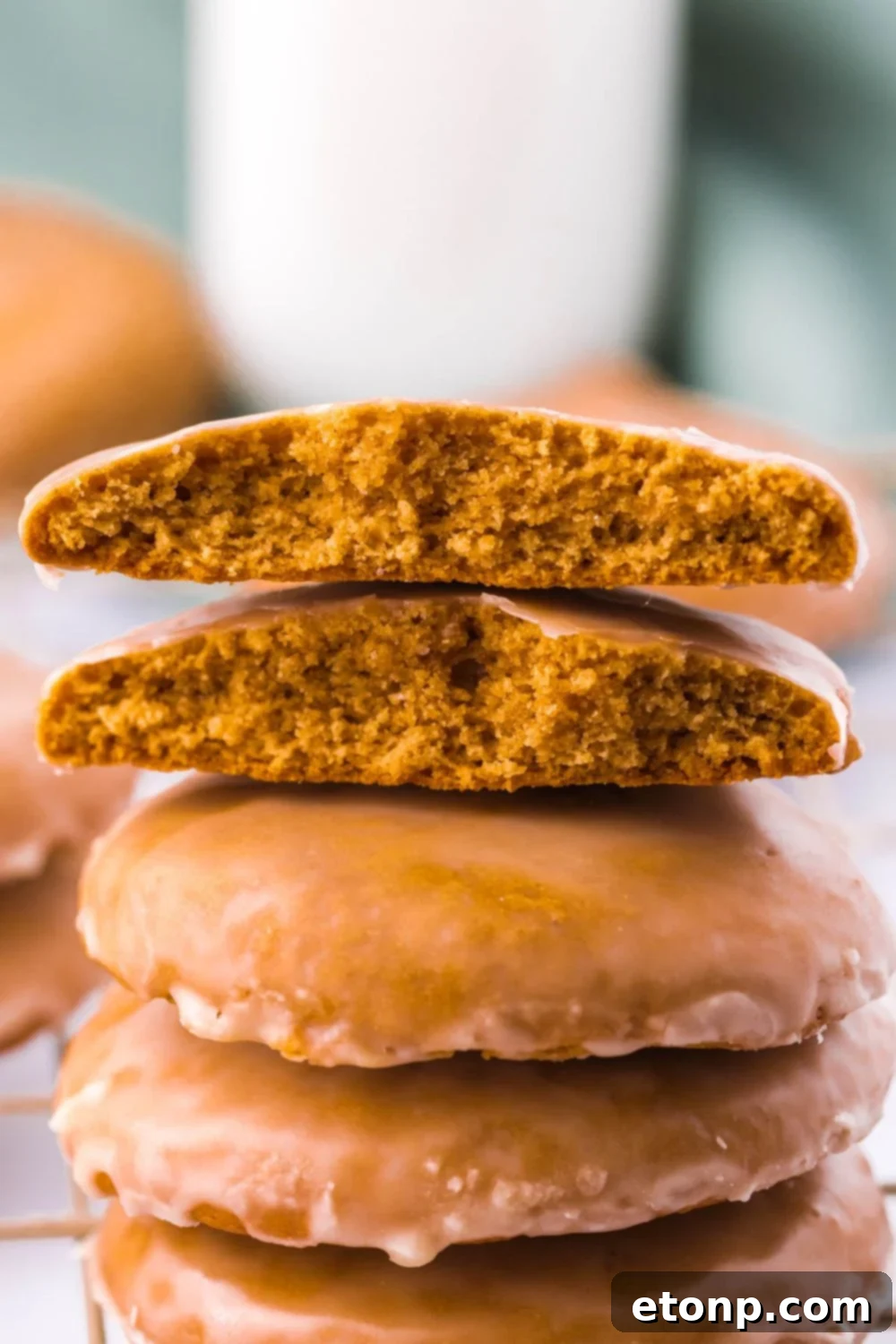
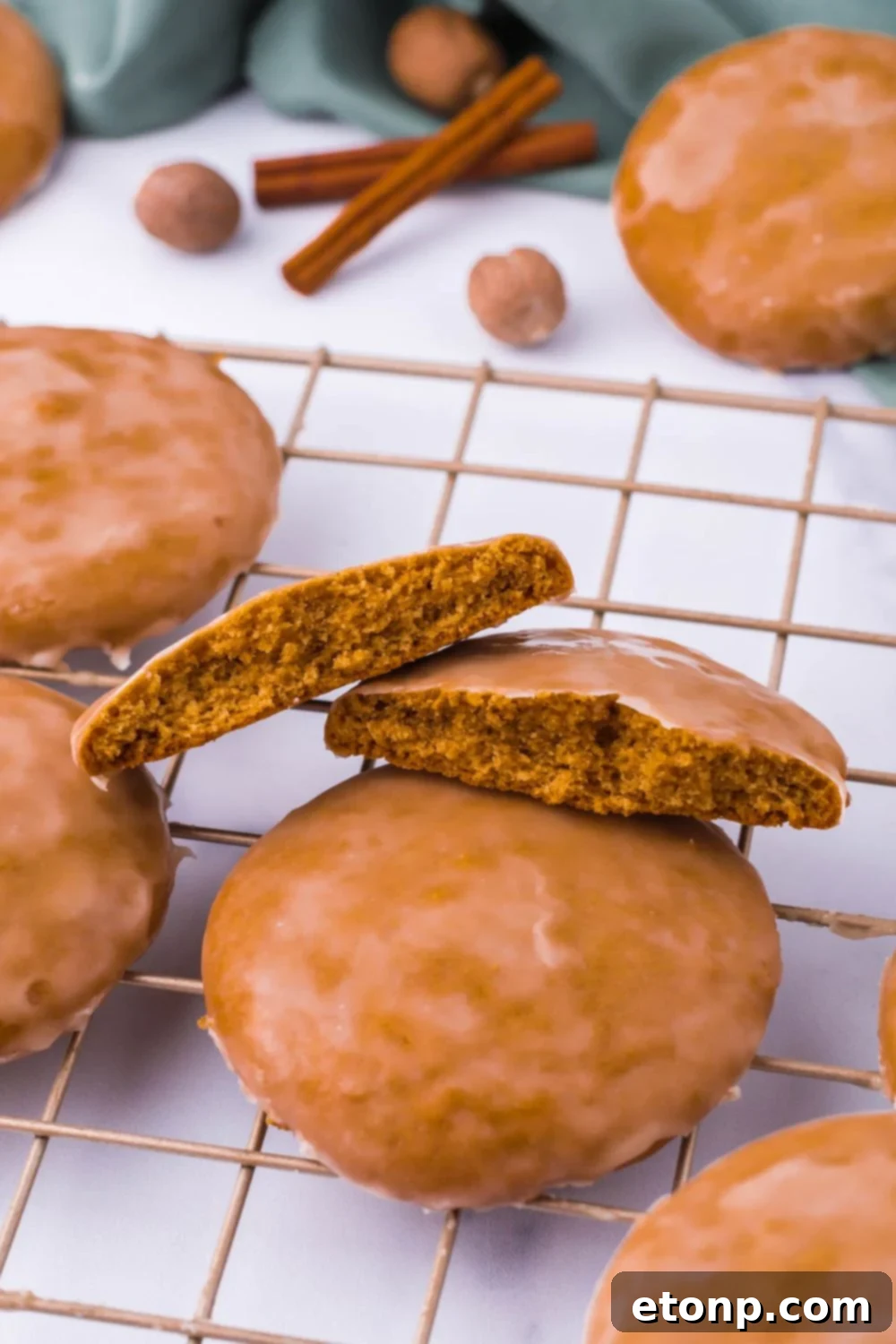
- A Melt-in-Your-Mouth Soft Texture: Unlike some gingerbread varieties that can be crisp or chewy, traditional Lebkuchen is renowned for its incredibly soft, almost cake-like texture. This recipe delivers exactly that – a tender cookie that melts delightfully in your mouth, leaving a lingering warmth of spices.
- Versatile and Customizable: While delicious in their classic form, Lebkuchen cookies are wonderfully adaptable. Experiment with different glazes, add nuts or dried fruits to the dough, or dip them in chocolate for a gourmet touch. The possibilities are endless, allowing you to tailor them to your unique preferences.
Essential Ingredients for Your Lebkuchen Journey
Creating these delightful German gingerbread cookies requires a selection of quality ingredients, each playing a crucial role in achieving the perfect flavor and texture. Here’s a closer look at what you’ll need:
- Unsalted Butter: We recommend using unsalted butter to have complete control over the salt content in your cookies. If you opt for salted butter, simply omit the additional salt specified in the recipe. Butter contributes to the rich flavor and tender crumb of the cookies. Ensure it’s softened to room temperature for optimal creaming.
- Molasses: The signature ingredient that gives gingerbread its distinctive deep, sweet, and slightly smoky flavor. Any good quality traditional molasses brand will work beautifully. Choose one that isn’t overly robust or “blackstrap” as you want its flavor to complement the spices, not overpower them. Molasses also contributes to the cookies’ beautiful dark hue and moist texture.
- Aromatic Spices: The heart and soul of Lebkuchen! Our recipe calls for a harmonious blend of ground cinnamon, cloves, ginger, and nutmeg. These warm spices create the authentic, inviting aroma and flavor that defines German gingerbread. Ensure your spices are fresh for the most vibrant and impactful taste.
- Light Corn Syrup: This ingredient is key for achieving the desirable soft and slightly chewy texture of Lebkuchen. Light corn syrup adds a subtle sweetness and helps to keep the cookies moist, preventing them from drying out during baking and storage.
- All-Purpose Flour: The foundational dry ingredient. Use standard all-purpose flour for this recipe. Proper measurement is essential to achieve the correct cookie texture. We recommend spooning the flour into your measuring cup and leveling it off with a straight edge rather than scooping directly from the bag, which can compact the flour and lead to dry cookies.
- Sugars (Brown Sugar & Powdered Sugar): You’ll use two types of sugar. Light brown sugar, packed, provides moisture and a caramel-like depth of flavor to the cookie dough. Powdered sugar (also known as confectioners’ sugar) is reserved for creating that classic, smooth, and sweet glaze that tops the Lebkuchen.
- Large Eggs: Essential binders that add structure, richness, and help tenderize the cookie dough. Ensure your eggs are at room temperature for better incorporation into the batter.
- Salt: A small but mighty ingredient! A pinch of salt is vital in the cookie dough as it enhances and brings forward all the complex flavors of the spices and molasses, preventing the cookies from tasting flat.
- Baking Powder: Our chosen leavening agent. Baking powder reacts with the moisture and acid in the dough to create carbon dioxide, giving the gingerbread cookies their perfect fluffy rise and soft, tender texture as they bake.
- Fresh Lemon Juice: For the glaze, fresh lemon juice is highly preferred over bottled. Its bright, zesty acidity cuts through the sweetness of the powdered sugar, creating a beautifully balanced and flavorful icing that really makes the cookies pop.
- Vanilla Extract: A touch of pure vanilla extract is added to the simple powdered sugar glaze. It provides an extra layer of aromatic sweetness that beautifully complements the lemon and enhances the overall flavor profile of the cookies.
Delightful Variations for Your Lebkuchen Cookies
While traditional Lebkuchen are undeniably delicious, part of their charm lies in their versatility. Don’t hesitate to experiment with these delightful variations to customize your German gingerbread cookies and make them uniquely yours:
- Glaze-Free Goodness: If you prefer a less sweet cookie or want the pure spice flavor to shine through, simply omit the glaze. Serve them plain for a rustic feel, dust them lightly with powdered sugar for an elegant touch, or consider topping them with a different frosting of your choice, such as a rich cream cheese frosting for a twist.
- Indulgent Chocolate Dipped: For a more decadent treat, once the baked cookies have completely cooled, dip half or even the entire cookie in melted chocolate. Dark chocolate provides a lovely bittersweet contrast, milk chocolate adds a creamy sweetness, and white chocolate offers a smooth, rich finish. Sprinkle with some sea salt flakes before the chocolate sets for an extra gourmet touch.
- Fruity Infusion: Introduce delightful chewiness and natural sweetness by incorporating dried fruit into your cookie dough. Finely chop dried dates, figs, apricots, or even traditional candied orange and lemon peel, and mix them into the dough before baking. This adds a wonderful textural contrast and an extra layer of complex flavor.
- Nutty Crunch: If you enjoy a textural element, add some finely chopped nuts to the cookie dough. Almonds are a classic choice for German baking and pair beautifully with the spices. Hazelnuts or walnuts also work wonderfully, providing a satisfying crunch and an earthy undertone. Toasting the nuts lightly before adding them can enhance their flavor even further.
- Citrusy Orange Twist: For a brighter, more vibrant flavor profile, swap out the lemon in the glaze for fresh orange zest and orange juice. The orange will infuse the glaze with a sweet, aromatic citrus note that beautifully complements the gingerbread spices, offering a delightful alternative to the traditional lemon glaze.
- Enhanced Spice Blends: Feel free to adjust the spice ratios to your liking or introduce other warm spices. A tiny pinch of cardamom can add an exotic touch, while a hint of black pepper can create a subtle warmth and complexity.
- Decorative Edges: While not strictly necessary, if you desire a more decorative cookie, you can gently press the edges of the scooped dough with a fork before baking, creating a simple ridged pattern.
Expert Tips for Crafting the Perfect Lebkuchen Cookies
Achieving bakery-quality Lebkuchen at home is entirely within reach with a few helpful pointers. These tips and tricks are designed to set you up for success, ensuring each batch of your homemade German gingerbread cookies turns out wonderfully soft, flavorful, and perfectly glazed.
Prioritize Quality Spices
The distinctive flavor of Lebkuchen hinges on its spices. Always ensure your ground cinnamon, cloves, ginger, and nutmeg are fresh and of high quality. Old, stale spices will result in dull-tasting cookies that lack the vibrant, aromatic punch Lebkuchen is known for. Check the expiration dates and consider buying whole spices to grind yourself for the ultimate fresh flavor, if possible.
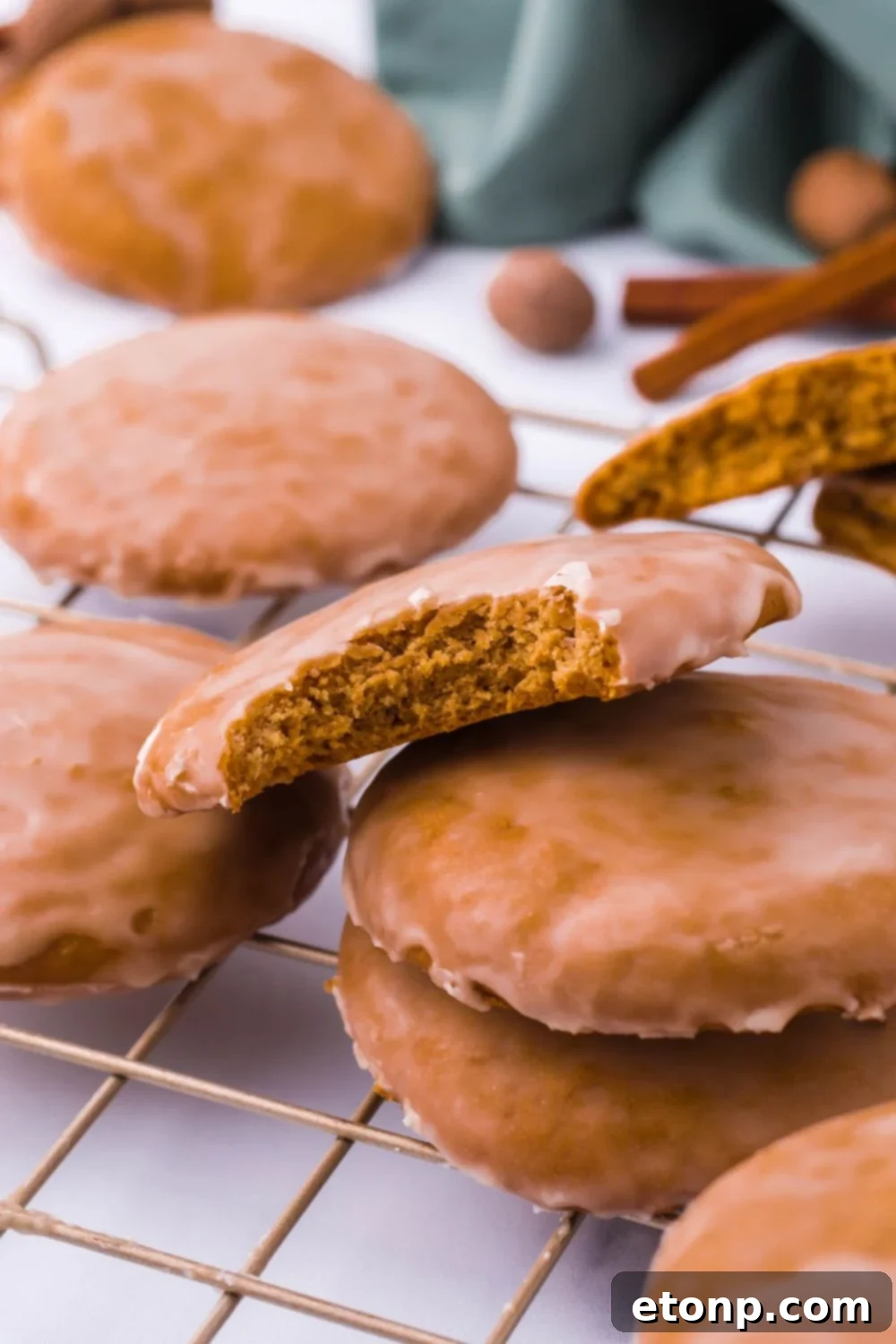
Utilize a Cookie Scoop for Uniformity
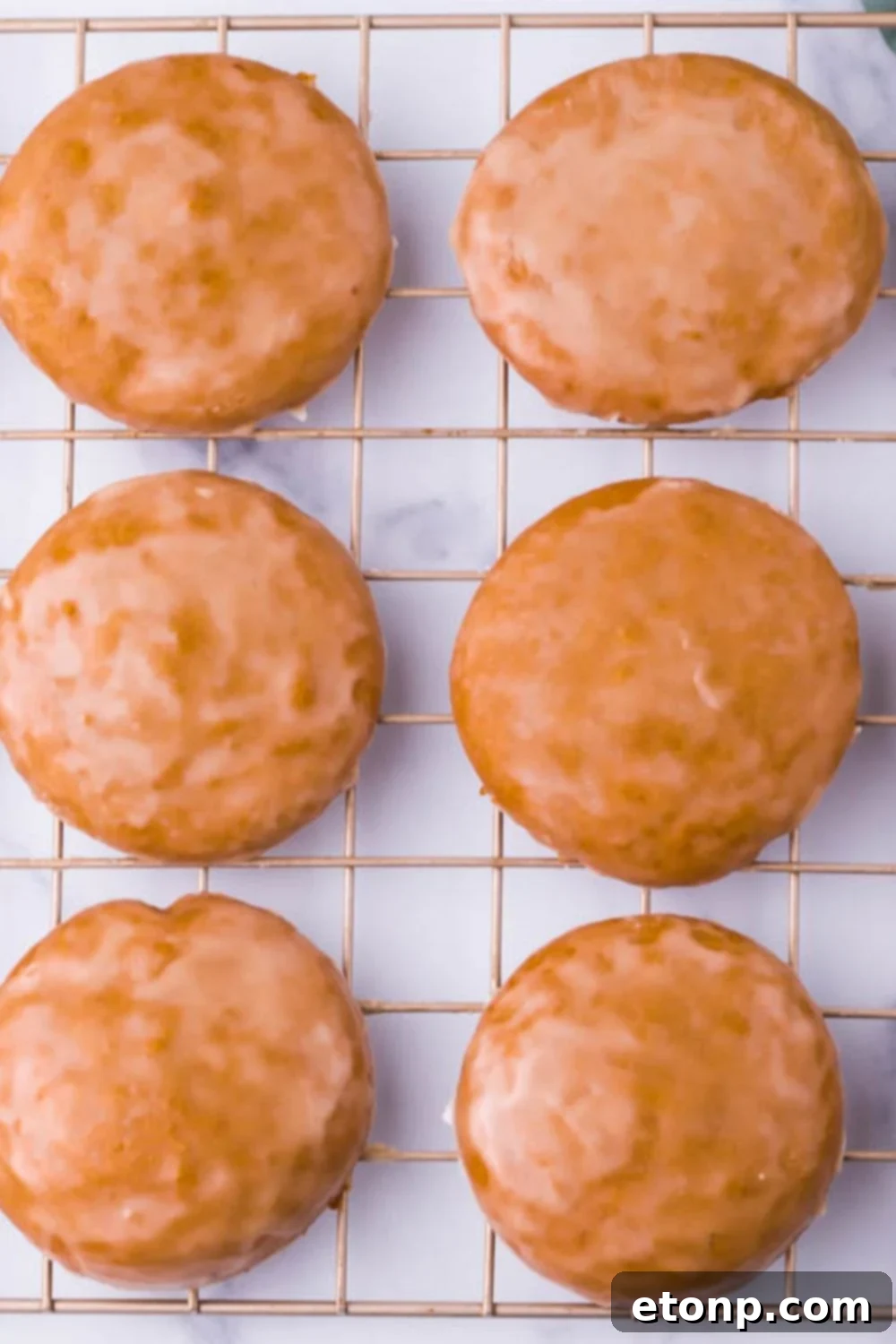
For consistent baking results, a cookie scoop is your best friend. Using a scoop ensures that each portion of cookie dough is of a similar size and shape. This uniformity is crucial for all the cookies to bake evenly in the oven, preventing some from being overdone while others are still raw in the center. A 1-2 tablespoon scoop is ideal for these gingerbread cookies.
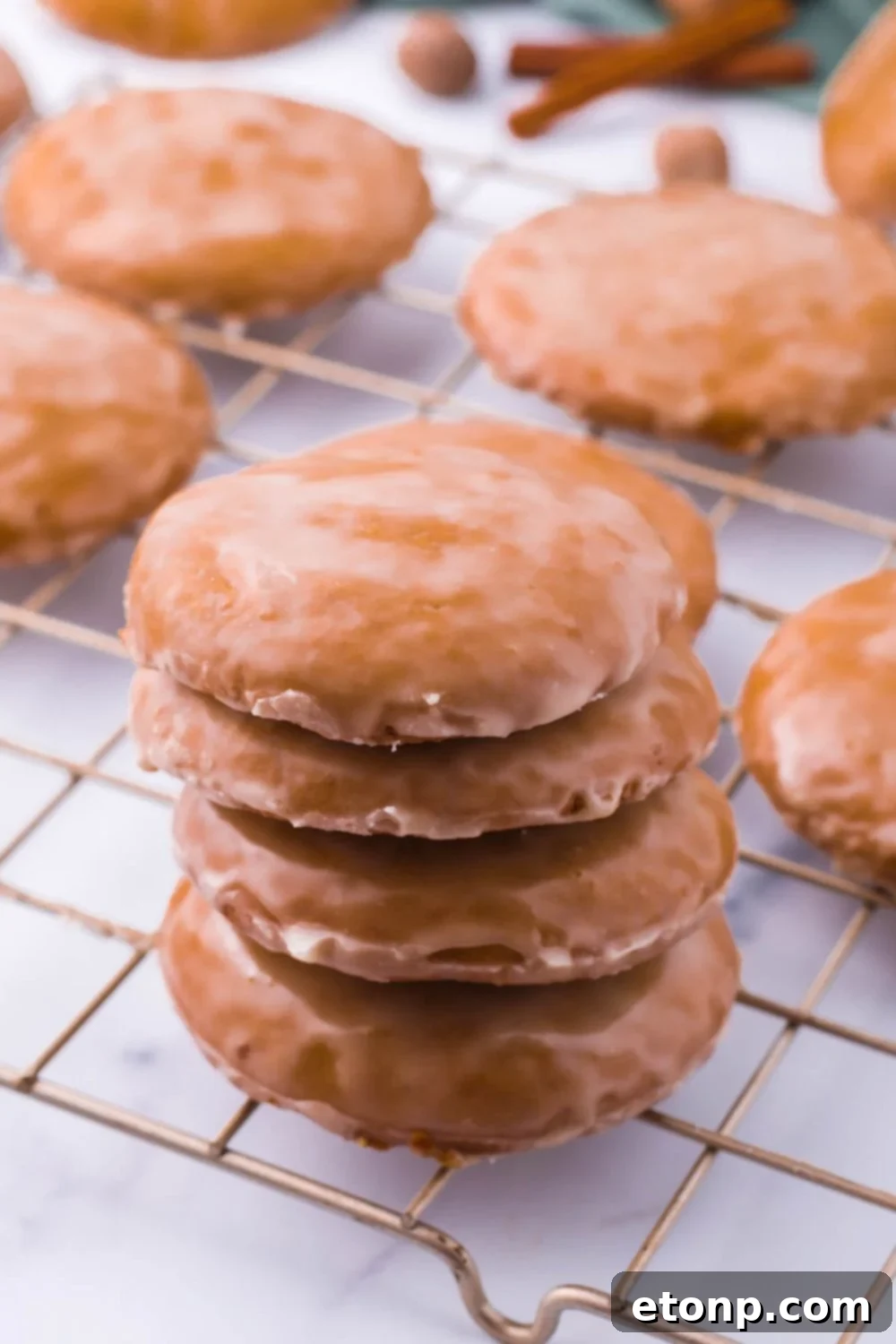
Allow Ample Space Between Dough Portions
These Lebkuchen cookies tend to spread slightly as they bake, so it’s vital to leave sufficient space between each dollop of dough on your baking sheet. Aim for at least 2 inches (about 5 cm) of separation to prevent the cookies from merging into one giant gingerbread sheet. Baking in batches, if necessary, is preferable to overcrowding the pan.
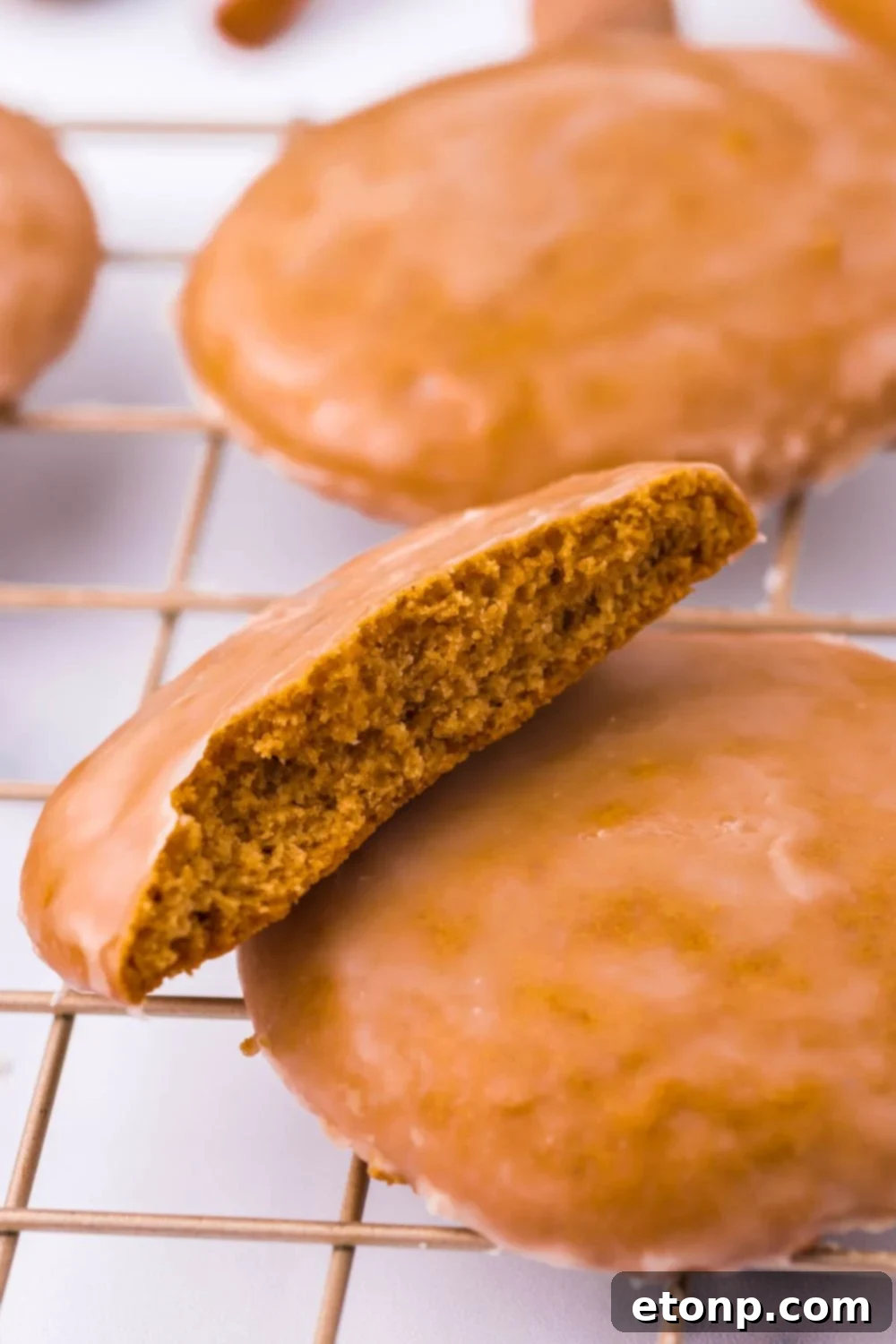
Line Your Baking Sheet
To ensure your Lebkuchen cookies don’t stick and lift off the baking sheet effortlessly, always line it. Parchment paper is an excellent choice for a non-stick surface and easy cleanup. Alternatively, a reusable silicone baking mat works beautifully. If neither is available, a light spray of cooking oil can also suffice, but parchment paper or silicone mats offer superior release.
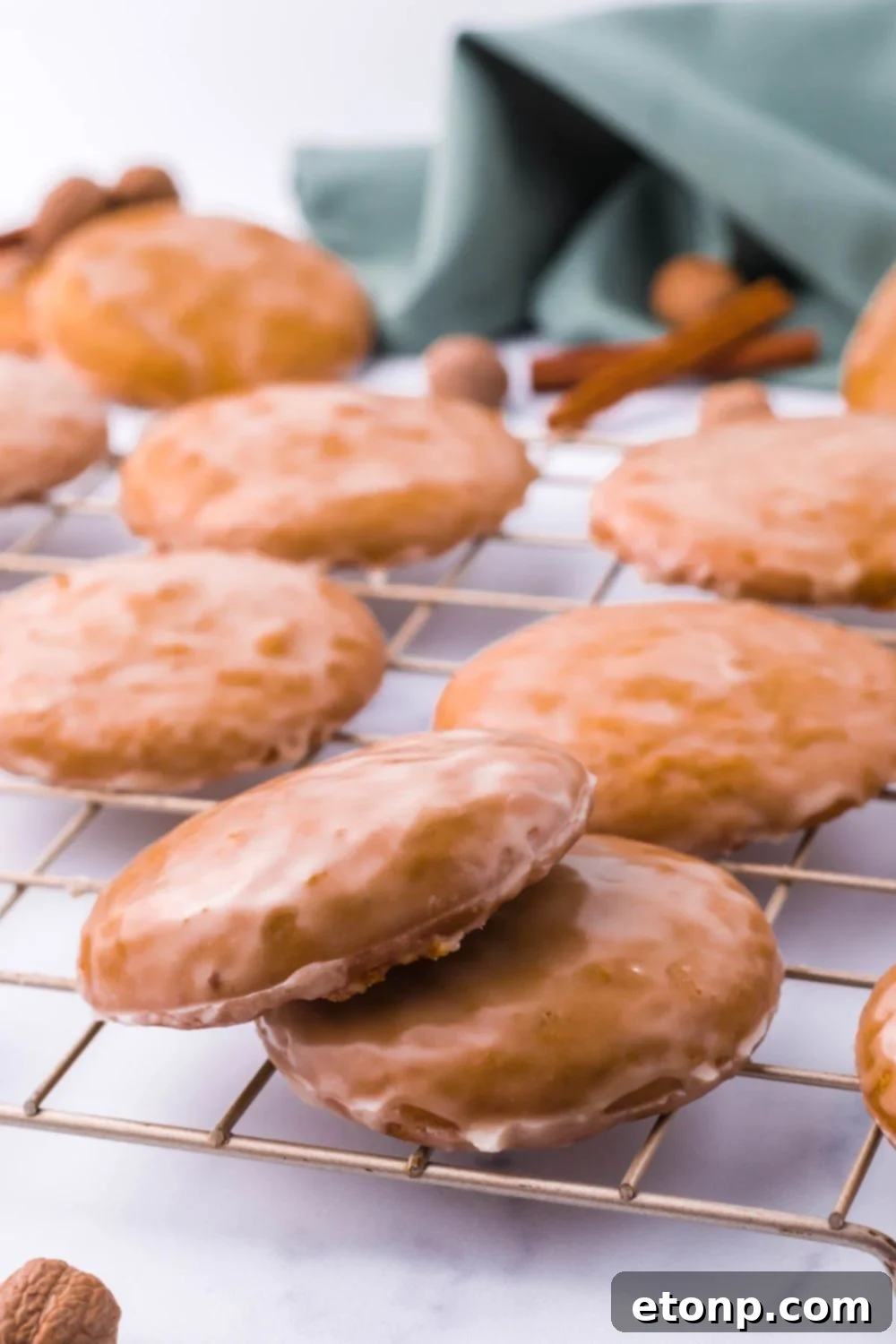
Thoroughly Cool Cookies Before Glazing
This tip cannot be stressed enough: patience is paramount when it comes to glazing! You absolutely must allow the baked cookies to cool completely before applying the sweet icing. Attempting to glaze warm or hot cookies will result in the icing melting right into the cookie, creating a soggy mess instead of a crisp, appealing top layer. Transfer them to a wire rack for efficient cooling.
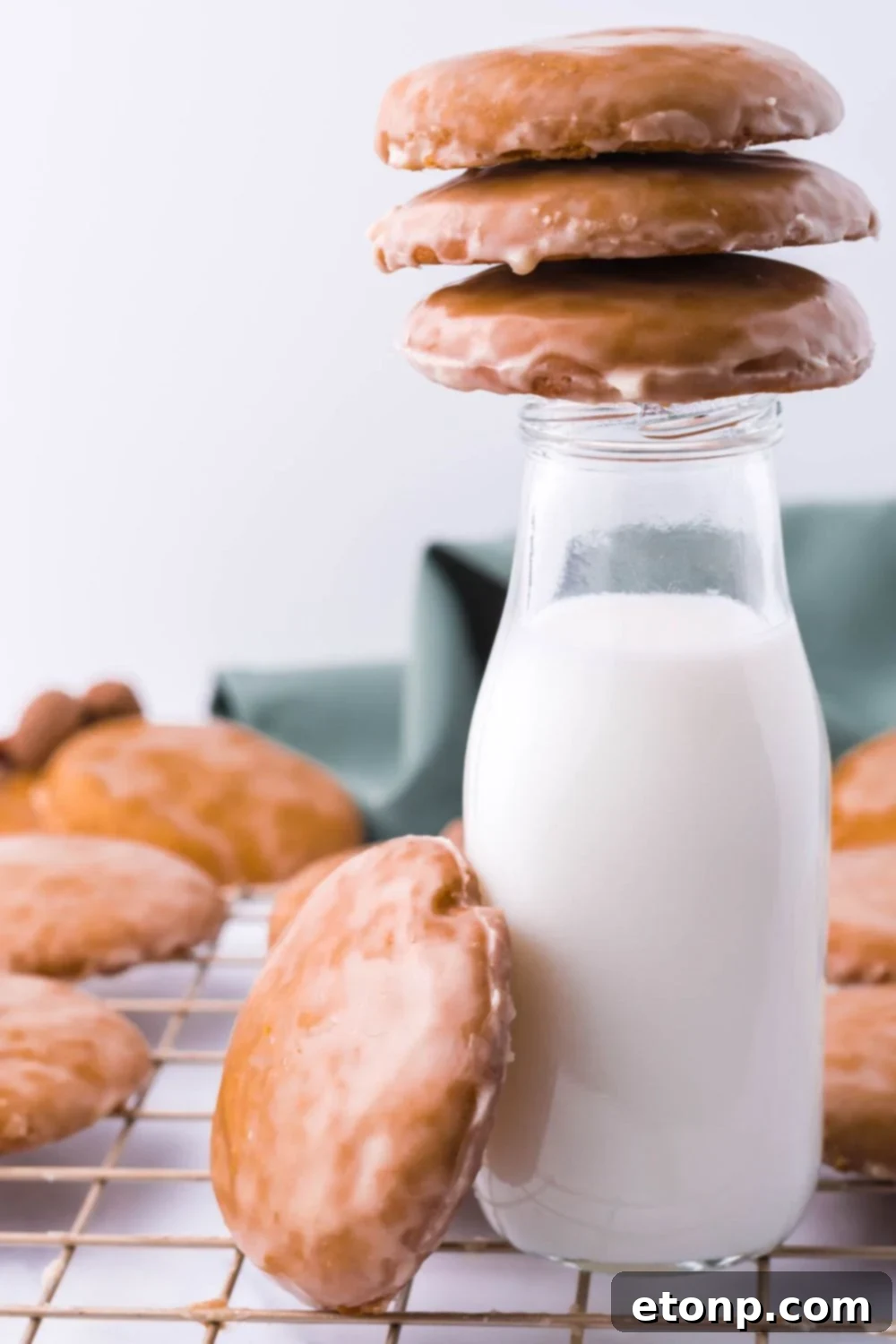
Serve Fresh for Best Quality
While Lebkuchen maintain their deliciousness for several days, like most homemade cookies, they are at their absolute best when served fresh. For optimal flavor and soft texture, we recommend enjoying them within the first 1-2 days of baking. If you’ve made a larger batch, freezing them promptly is an excellent way to preserve their freshness for future enjoyment.
Avoid Overbaking for Softness
The key to those wonderfully soft and chewy Lebkuchen is not to overbake them. Keep a close eye on your cookies; they should be lightly golden around the edges, but the centers should still appear slightly soft when gently pressed. They will continue to set as they cool on the baking sheet for a few minutes before transferring to a wire rack.
Consider Chilling the Dough
While this recipe doesn’t strictly require it, chilling the Lebkuchen dough for at least 30 minutes (or even a few hours) can yield several benefits. It allows the flavors to meld and deepen, and makes the dough firmer and easier to handle, especially if you decide to roll it out and use cookie cutters for more defined shapes.

Optimal Storage Solutions for Your Lebkuchen Cookies
Ensuring your delicious Lebkuchen stay fresh and flavorful for as long as possible is important. Here are the best ways to store your German gingerbread cookies:
- Room Temperature Storage: Once your Lebkuchen are completely cooled and the glaze has set, store them in an airtight container at room temperature. For best results, you can layer the cookies between sheets of parchment paper to prevent them from sticking together, especially if they are heavily glazed. Stored properly, these cookies will remain delightfully soft and delicious for approximately 3-5 days. Keep them away from direct sunlight or heat sources.
- Freezing for Extended Freshness: Lebkuchen are excellent candidates for freezing, allowing you to enjoy them long after baking. To freeze, arrange completely cooled cookies in a single layer on a baking sheet and freeze until solid (this prevents them from sticking together). Once firm, transfer them to a freezer-safe bag or an airtight freezer container. They will maintain their quality for 4-5 months. When you’re ready to enjoy them, simply thaw the cookies at room temperature for a few hours. Freezing the unbaked cookie dough is also an option; simply thaw, scoop, and bake when cravings strike!

Frequently Asked Questions About Lebkuchen
Here are answers to some common questions you might have about making and enjoying these traditional German gingerbread cookies:
What exactly are Lebkuchen?
Lebkuchen are a traditional German baked good, often described as a form of gingerbread or spice cookie. They are typically soft, chewy, and highly spiced, with a signature flavor profile that includes ginger, cinnamon, cloves, nutmeg, and sometimes cardamom, anise, or allspice. While some varieties include nuts or candied fruit, the most common form features a thin, sweet glaze. Lebkuchen have a long history, dating back to the Middle Ages, and are particularly popular during the Christmas and Advent season in Germany and surrounding regions.
How do I effectively glaze my Lebkuchen cookies?
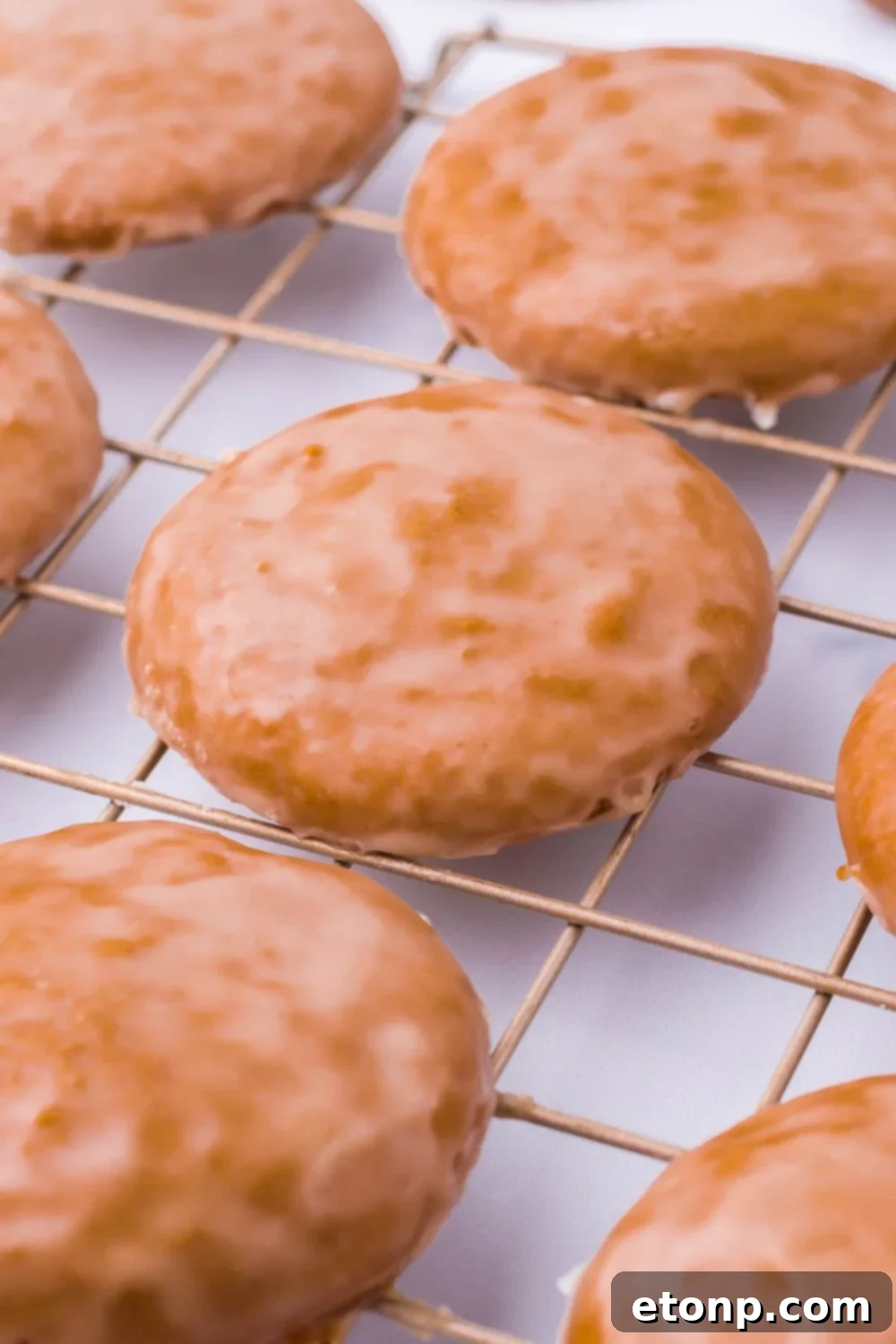
There are several methods for applying the glaze, depending on your preference. For a full, even coat, you can gently dip the entire top surface of the cooled cookie into the glaze. Alternatively, for more control, use a silicone pastry brush to evenly brush the glaze onto each cookie. For a rustic look, spoon a small amount of glaze onto the center of the cookie and gently spread it outwards with the back of a spoon, allowing some to drip down the sides. Ensure the cookies are completely cool to prevent the glaze from melting.
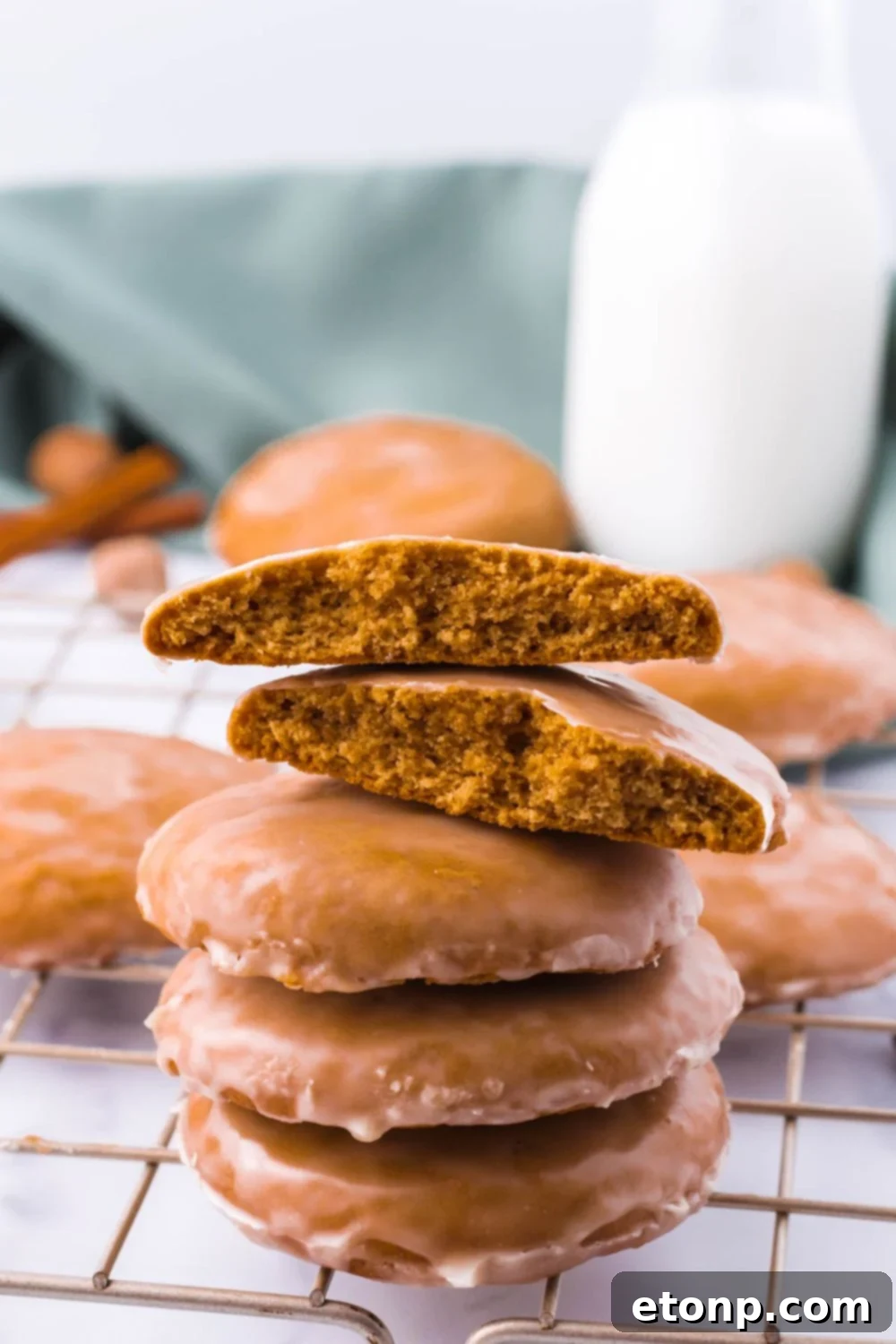
What are some common shapes for Lebkuchen cookies?
Lebkuchen are traditionally baked in a variety of shapes, adding to their festive appeal. Common shapes include rectangles, hearts (especially for Lebkuchenherzen, often decorated at fairs), stars, or simple circles. While this recipe is designed for scooped, free-form cookies, you can certainly roll out the dough and use cookie cutters for more specific shapes. If you choose to roll and cut, we highly recommend refrigerating the cookie dough for at least an hour (or up to two hours) before rolling. This firms up the dough, making it much easier to handle and cut clean shapes without sticking.
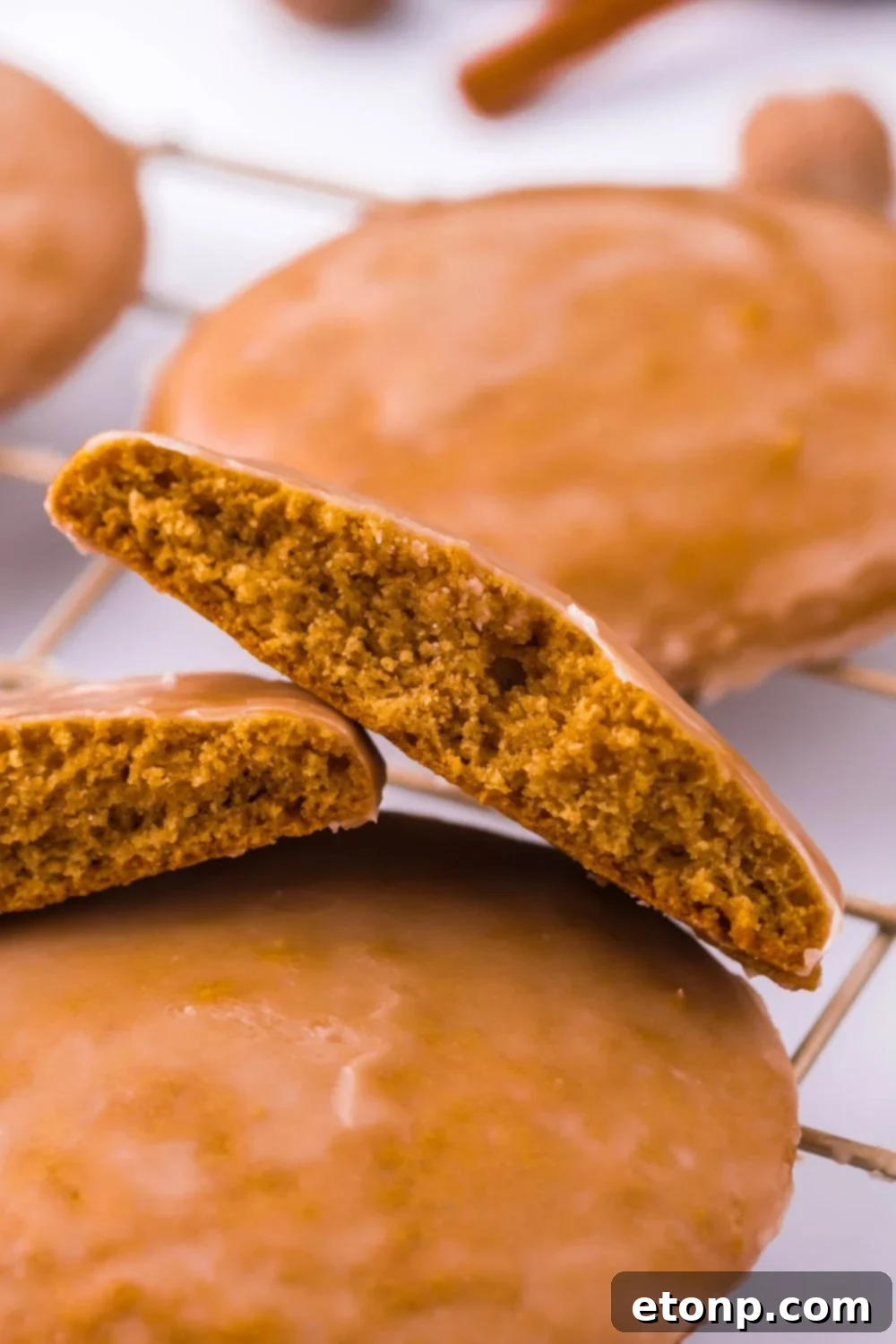
Is candied citrus peel a mandatory ingredient for Lebkuchen?
No, you are not required to use candied citrus peels, either for mixing into the batter or as a topping for your Lebkuchen. While candied citrus peel (especially orange and lemon) is a traditional ingredient in some authentic Lebkuchen recipes, particularly the Nuremberg style, it is entirely optional. Many people, myself included, prefer the flavor profile of Lebkuchen without it. The beauty of homemade baking is that you can always adjust ingredients to suit your family’s preferences. If you’d like to add a citrus note without the peel, consider incorporating a bit of fresh orange or lemon zest directly into the cookie dough.
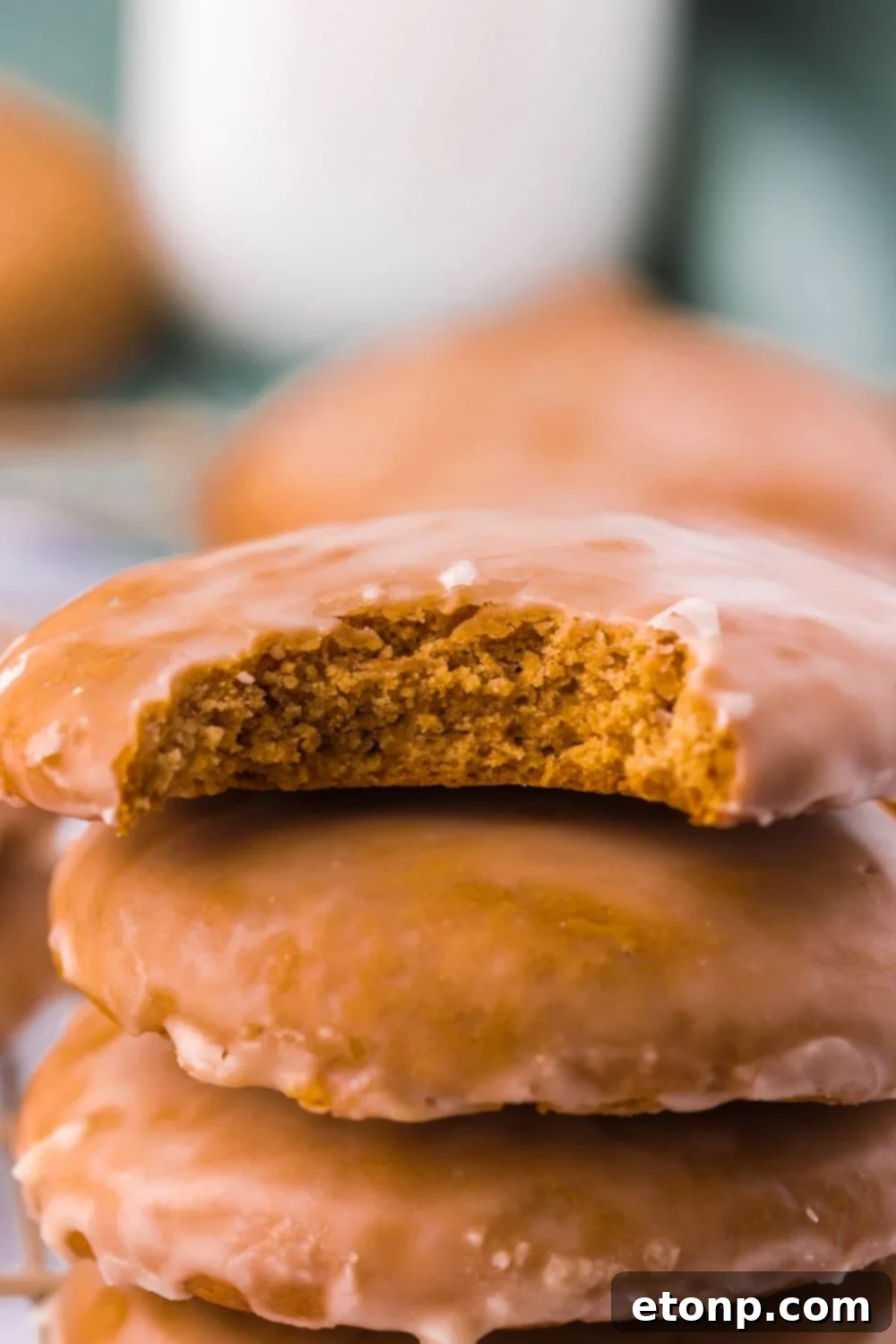
What does Lebkuchen taste like?
Lebkuchen offer a uniquely complex and delightful flavor profile. The primary taste is a rich, warm sweetness from the molasses and brown sugar, beautifully complemented by a medley of aromatic spices. You’ll distinctly taste ginger and cinnamon, often with underlying notes of cloves and nutmeg. Depending on the recipe, there might also be hints of citrus (especially if using lemon or orange zest/juice in the glaze), and a subtle earthy depth from the dark sweeteners. The overall experience is one of comforting warmth, fragrant spice, and a tender, moist crumb that melts in your mouth.
When are Lebkuchen traditionally enjoyed?
Lebkuchen are most strongly associated with the Christmas and Advent season in Germany and other German-speaking countries. They begin appearing in bakeries and Christmas markets as early as October and are a staple throughout December. While their festive association is strong, their deliciousness knows no season, and many enjoy baking and eating them year-round, especially those who appreciate classic gingerbread flavors.
More Delicious Cookie Recipes to Explore
- Candy Cane Cookies
- Cream Cheese Chocolate Chip Cookies
- Christmas Pudding Cookies
We truly hope you and your loved ones enjoy this authentic Lebkuchen recipe as much as we have over the years. It’s a tried-and-true classic that brings joy with every single bite!

Lebkuchen Gingerbread Cookies
Dessert
20 mins
20 mins
40 mins
30 servings
Ingredients
Cookies-
- ¾ cup + 2 Tbsp. Unsalted butter
- 2 Tbsp. Molasses
- 1/3 cup Light corn syrup
- 2¾ cups All-purpose flour
- 1 1/3 cups Light brown sugar- packed
- 2 large Eggs
- ½ Tbsp. Ground cinnamon
- ¼ tsp. Ground cloves
- ½ tsp. Ground ginger
- ¼ tsp. Ground nutmeg
- 1 tsp. Baking powder
- ¼ tsp. Salt
Glaze-
- 1 cup Powdered sugar
- Juice of 1 lemon
- 1 tsp. Vanilla extract
Instructions
-
Preheat oven to 350 degrees Fahrenheit.
-
Prepare a baking sheet by lining it with parchment paper and set aside.
-
In a saucepan over medium-low heat, add in the butter, molasses, and corn syrup. Heat until the butter is just melted.
-
In a large mixing bowl, add in the flour and brown sugar and mix.
-
Pour in the butter mixture into the flour mixture and mix well.
-
Add in the eggs, spices, baking powder, and salt.
-
Mix until everything is fully incorporated.
-
Using a cookie scoop, gather 1-2 tablespoons of the dough and place on the baking sheet leaving 2 inches of space between each cookie.
-
Bake 15-20 minutes.
-
While the cookies are baking, prepare the glaze.
-
In a small bowl, add in the powdered sugar, lemon juice, and vanilla.
-
Mix until smooth and clump-free.
-
Once the cookies are done baking, allow to cool for 5 minutes and transfer to a wire rack.
-
Using a basting brush, brush the glaze onto each cookie.
-
Allow the glaze to harden and serve.