
Apple Cider Cake with Brown Sugar Buttercream Frosting: The Ultimate Fall Dessert Recipe
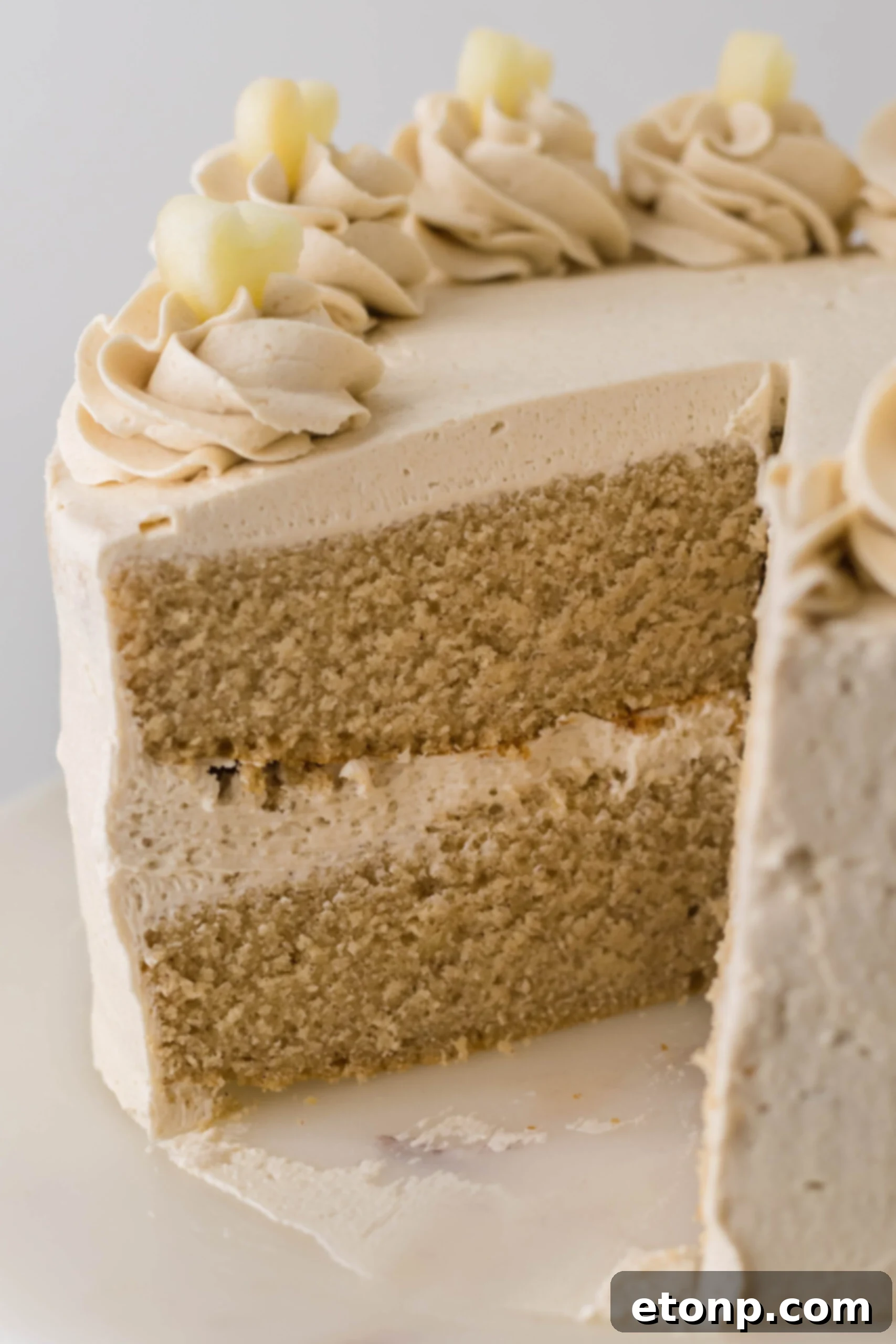
As autumn leaves begin to paint the landscape in hues of gold and crimson, there’s an undeniable craving for cozy flavors and comforting treats. Nothing captures the essence of fall quite like the warm, inviting aroma of baking apples and spices. This Apple Cider Cake with Brown Sugar Buttercream Frosting isn’t just a dessert; it’s a celebration of the season, a culinary masterpiece that brings together the robust tang of apple cider with the sweet, caramel notes of brown sugar. Imagine a cake that’s incredibly rich, wonderfully moist, and deeply infused with the authentic taste of fall apples, all crowned with a luscious, velvety brown sugar buttercream frosting that simply melts in your mouth. This isn’t just good; it’s beyond incredible and promises to become a cherished recipe in your autumn baking repertoire.
A Symphony of Fall Flavors: Unveiling This Irresistible Cake
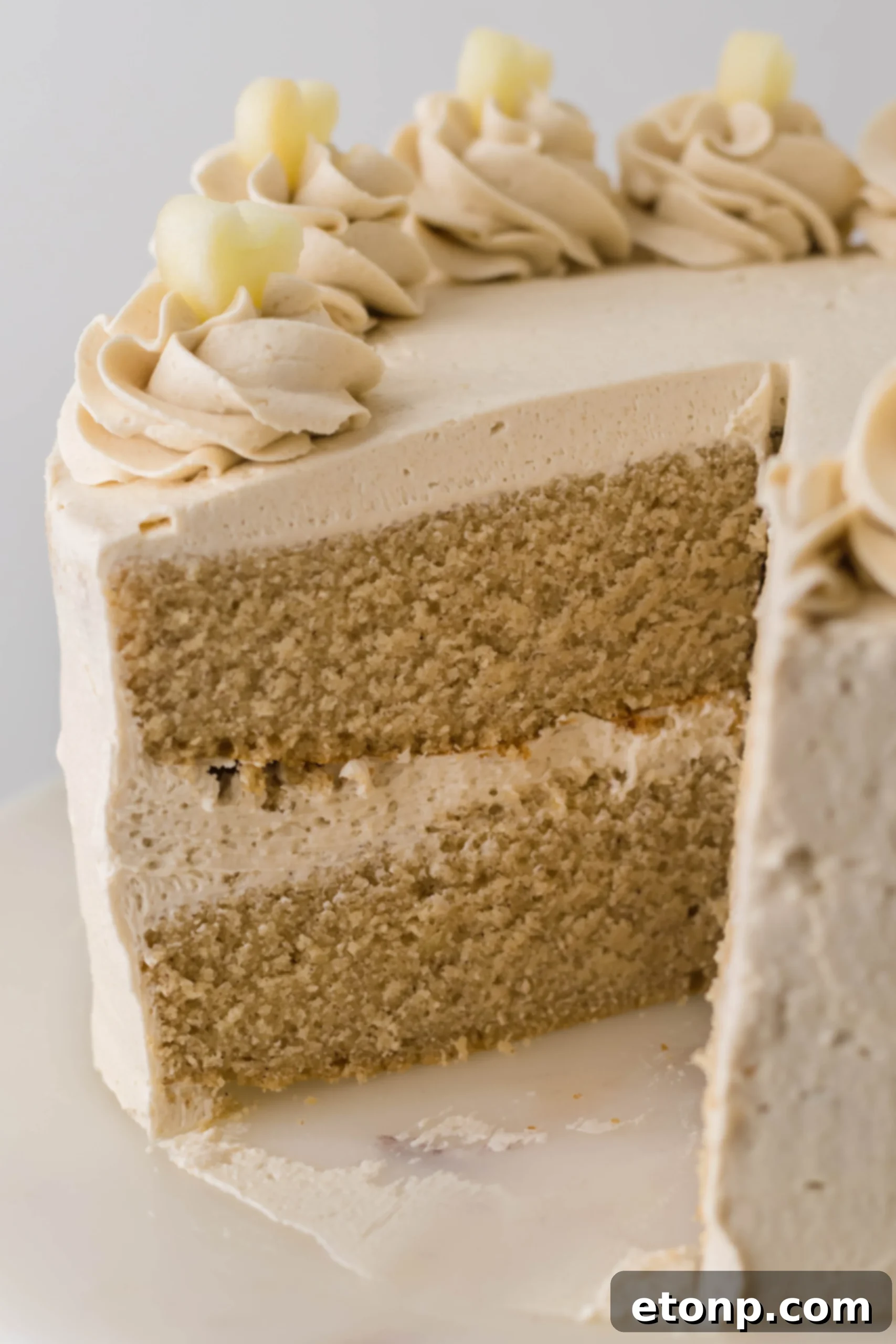
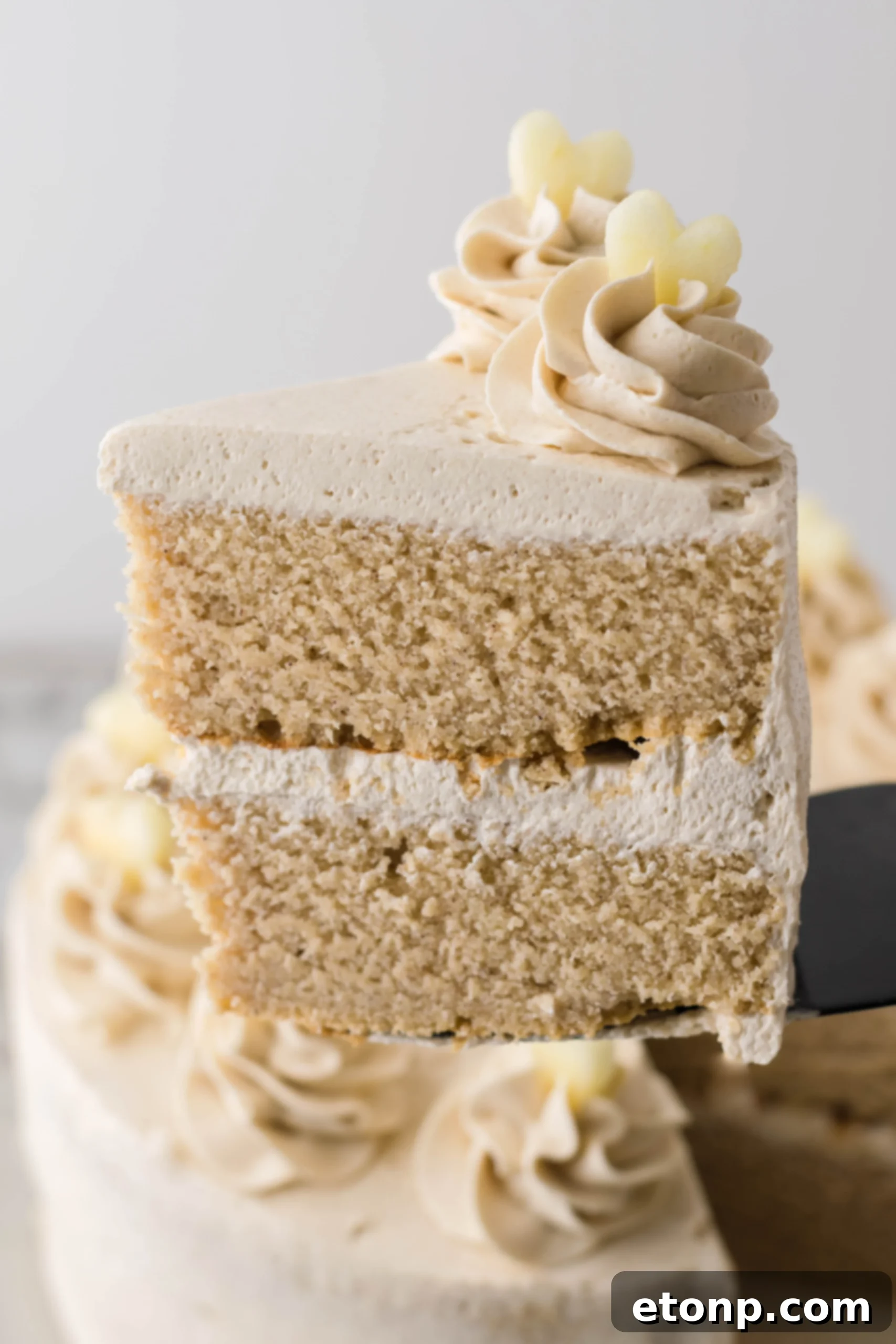
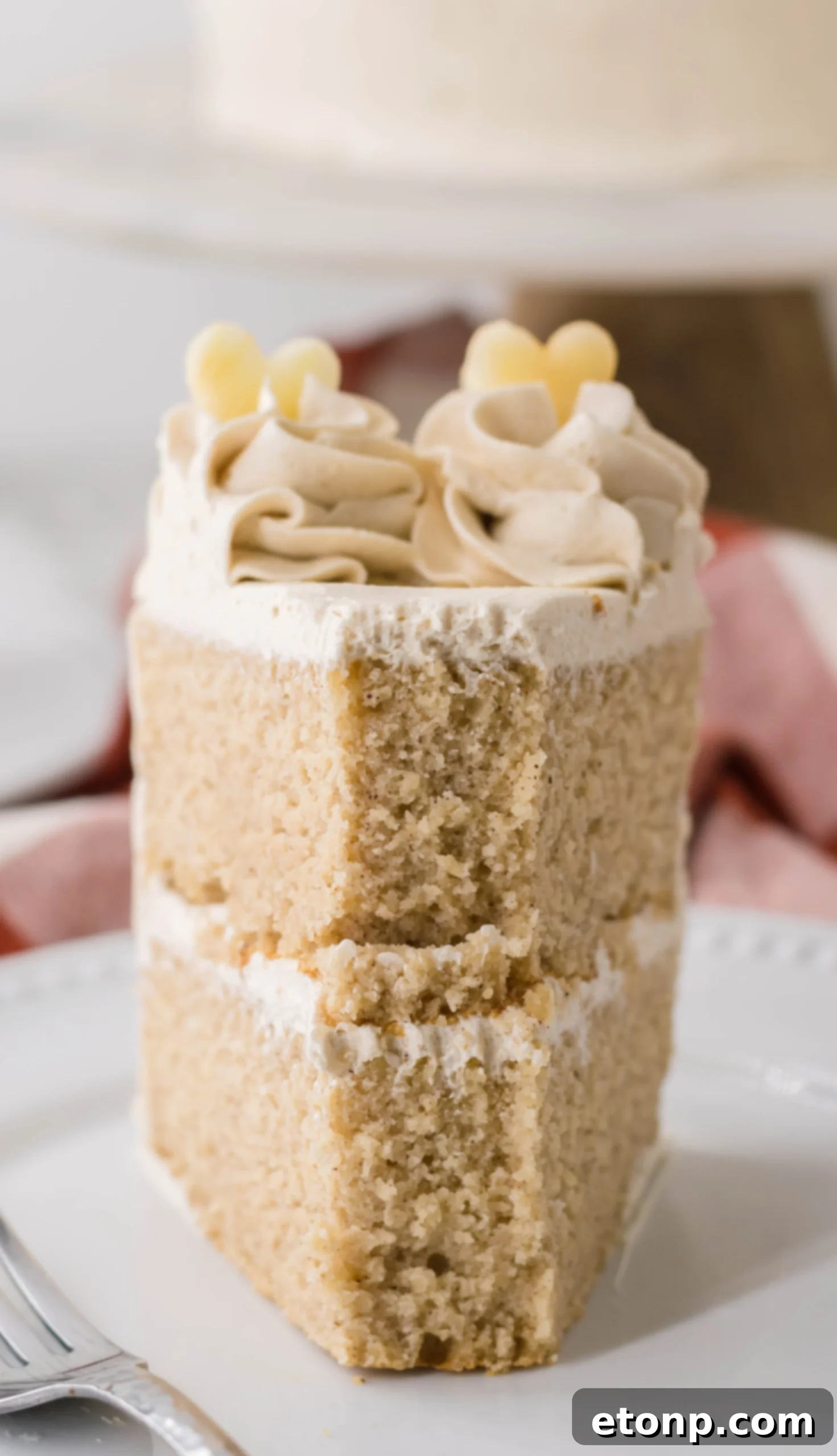
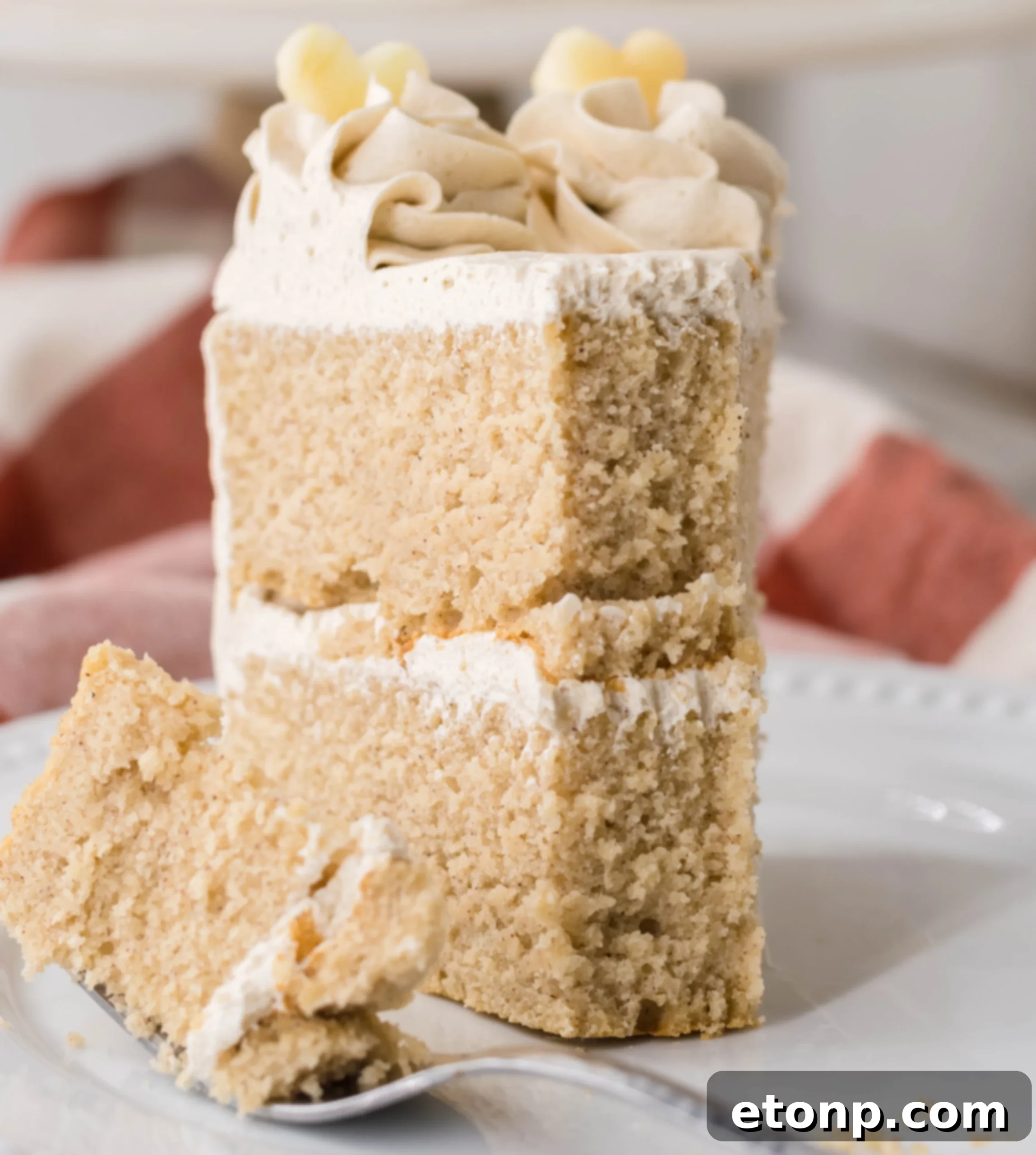
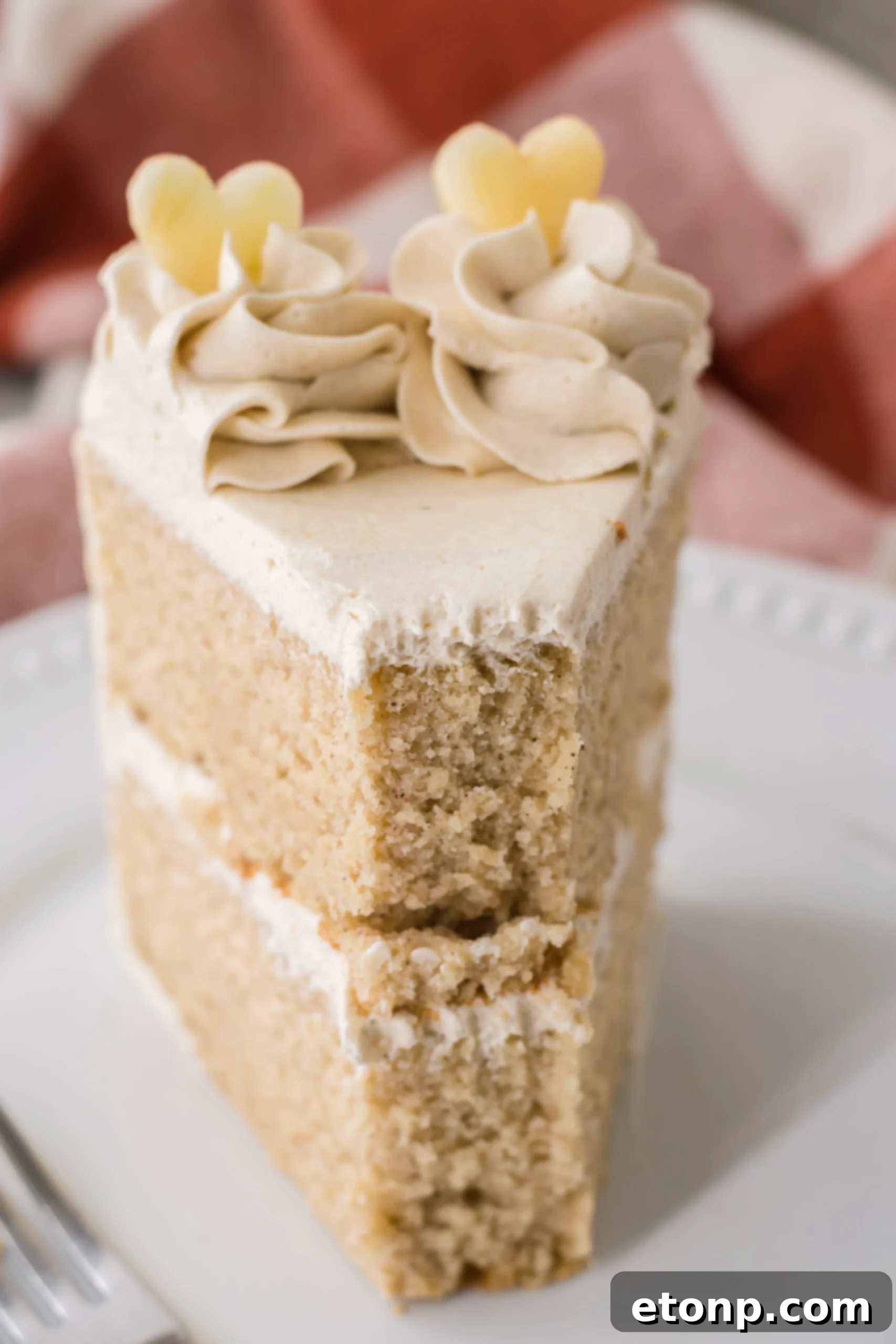
Crafted from scratch with precision and passion, this apple cider cake is designed to deliver an unforgettable taste experience. We’re talking about two generously thick layers of insanely delicious apple cider cake, each bite bursting with the subtle spice and bright acidity that only real apple cider can provide. These delightful layers are then perfectly sandwiched between a sensationally smooth, homemade brown sugar buttercream. This pairing isn’t just good; it’s the perfect flavor combination, where the sweetness of the frosting harmonizes beautifully with the spiced apple cake, creating a dessert that feels both sophisticated and deeply comforting. This recipe is surprisingly easy to follow, making it accessible for bakers of all skill levels, and the results consistently taste far better than any cake you might find in a high-end bakery. Plus, as it bakes, it will fill your entire home with an intoxicating aroma of apples and warm spices, instantly creating a welcoming, autumnal atmosphere.
Effortless Elegance: Why This Cake Belongs in Your Fall Baking Repertoire
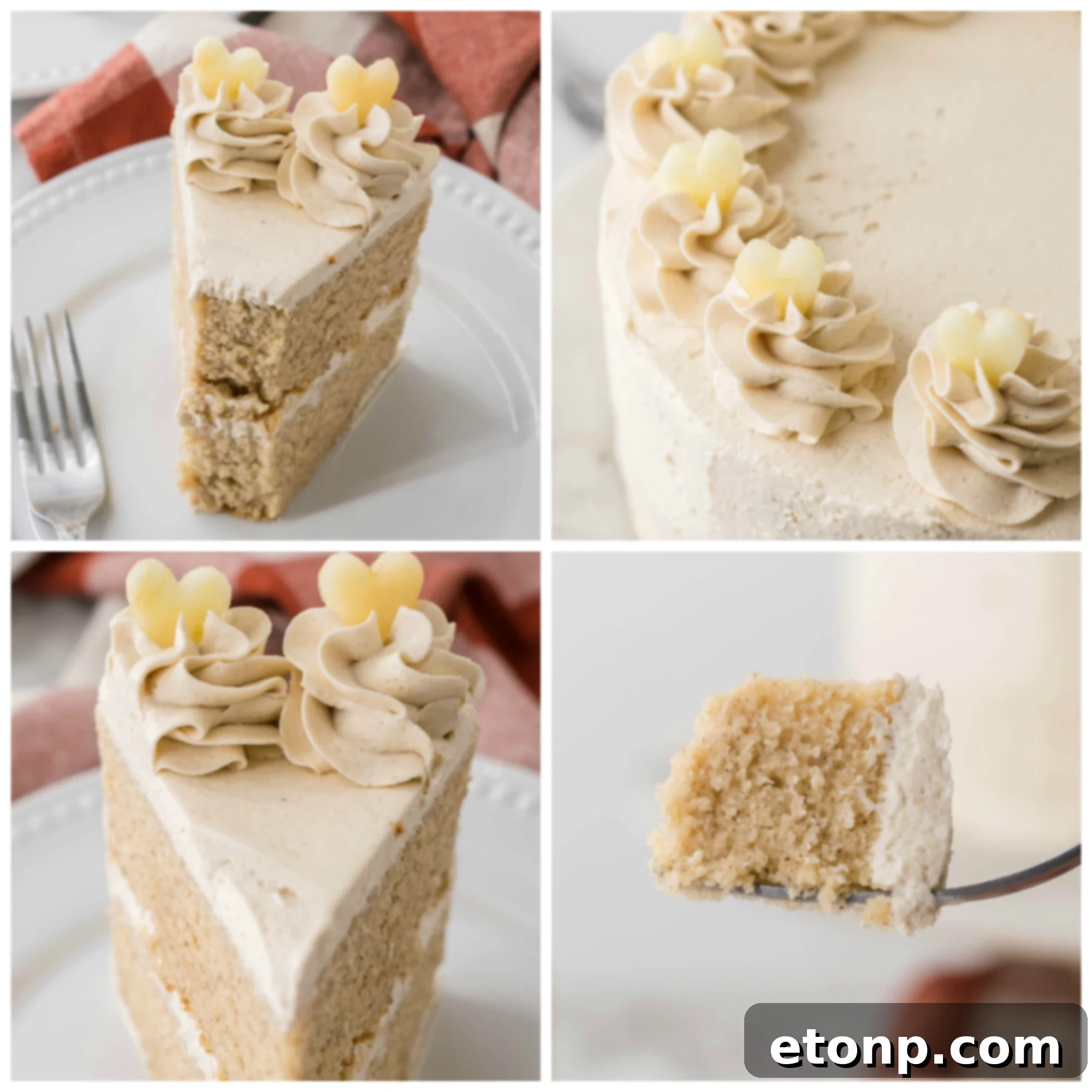
Beyond its incredible taste and charming autumnal appeal, one of the greatest advantages of this Apple Cider Cake with Brown Sugar Buttercream Frosting is its flexibility. You can easily prepare this yummy cake ahead of time, which is a massive time-saver, especially if you’re planning for busy holiday gatherings like Thanksgiving or Christmas. The frosting can also be made in advance, allowing you to streamline your baking process and enjoy a more relaxed holiday season. This cake is wonderfully versatile, making it an ideal choice for a variety of occasions. Whether you’re contributing to a bake sale, bringing a show-stopping dessert to a potluck, or simply want to serve an amazing fall dessert that the entire family is sure to love at your next dinner, this cake will be an absolute hit. Be warned: it’ll disappear fast, we promise! Its comforting flavors and beautiful presentation make it a crowd-pleaser that will leave everyone asking for the recipe.
Apple Cider vs. Apple Juice: The Key to Authentic Flavor
A common question we receive is whether you can substitute apple juice for apple cider in this recipe. While it might seem like it wouldn’t make a significant difference, we strongly advise against it! The distinction between apple cider and apple juice is crucial for achieving the nuanced, rich flavor profile that makes this cake truly special. Let’s delve into why apple cider is the unequivocal champion for this recipe:
First off, **Apple Cider** is fundamentally different. It’s typically made from apples that are ground into a pulp, then pressed to extract the liquid. This liquid is essentially unfiltered apple juice, often containing fine particles of apple pulp, giving it a cloudy appearance and a more robust, complex flavor. Crucially, traditional apple cider is often unpasteurized, retaining more of the fresh, tangy, and slightly tart characteristics of the raw apple. This vibrant, unprocessed quality translates directly into the cake, providing a depth of flavor that is genuinely autumnal and distinct.
**Apple Juice**, on the other hand, undergoes a more extensive processing method. It is always filtered to remove any bits of apple and solids, resulting in a clear liquid. It’s also pasteurized to significantly increase its shelf life for supermarket distribution. While apple juice certainly has an apple taste, it tends to be sweeter and less tangy, lacking the complex acidity and rustic charm that apple cider brings. In baking, this difference is pronounced. We have experimented with both, and time and again, apple cider unequivocally wins in this recipe, taste-wise. The unfiltered nature and sharper, more authentic apple flavor of cider elevate the cake from merely good to absolutely sublime, imparting a genuine taste of fresh, crisp apples rather than a generic sweetness. Trust us on this one – the cider makes all the difference!
Expert Baking Tips for a Flawless Apple Cider Cake
Achieving baking perfection is all about understanding a few key principles. Here are our essential baker notes to ensure your Apple Cider Cake turns out beautifully every time:
-
Do Not Overmix Your Batter: This is perhaps the most crucial rule for any cake, and especially for a delicate one like this. Once you’ve added the dry ingredients to your wet ingredients, mix only until they are just combined and no streaks of flour remain. Overmixing develops the gluten in the flour too much, leading to a dense, tough, and chewy cake rather than the light, tender crumb you’re aiming for. A gentle hand makes all the difference!
-
Always Prepare Your Baking Pans Properly: To prevent your cake from sticking and ensure it releases cleanly, always make sure you grease your baking pans thoroughly. We recommend using a generous coating of shortening or butter, then dusting it with a light layer of flour. Tap out any excess flour. This creates a non-stick barrier that is essential if you want a beautiful, intact cake with smooth sides. A well-prepared pan ensures your cake layers emerge picture-perfect.
-
Resist the Urge to Open the Oven Door: It’s tempting to peek, but try to refrain from constantly opening the oven door, especially during the first two-thirds of the baking time. Fluctuations in temperature caused by opening the door can cause the cake to cool too rapidly, leading to the center of your cakes sinking or collapsing. Trust your oven and the baking time provided. Only open the door towards the end of the baking cycle when you need to check for doneness.
-
Bring Ingredients to Room Temperature: For a smooth, evenly mixed batter, ensure your butter and eggs are at room temperature before you start. Room temperature butter creams more easily with sugar, creating a lighter, fluffier base, and room temperature eggs emulsify better with the fats, resulting in a more cohesive batter and a finer crumb.
-
Measure Ingredients Accurately: Baking is a science. Using a kitchen scale for dry ingredients like flour can dramatically improve accuracy compared to volume measurements. If you’re using cups, make sure to spoon and level the flour rather than scooping directly from the bag, which can compact the flour and lead to using too much.
The Decadence of Brown Sugar Buttercream Frosting
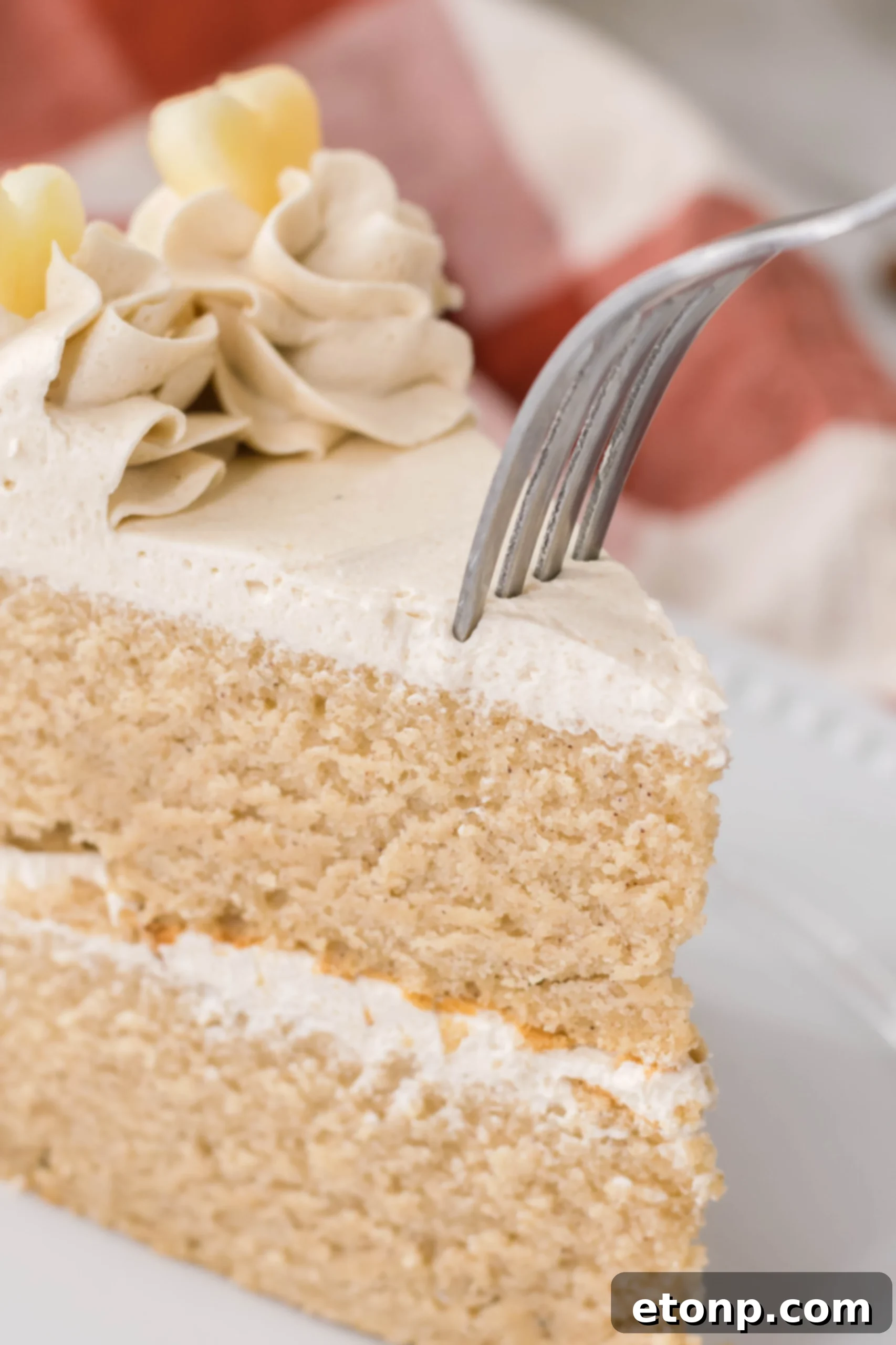
While the apple cider cake provides a delightful foundation, the brown sugar buttercream frosting is truly the crowning glory of this dessert. This isn’t just any frosting; it’s a rich, creamy, and wonderfully balanced buttercream with deep caramel undertones from the brown sugar. Its velvety texture and comforting sweetness perfectly complement the spiced apple cake, adding a layer of indulgence that is simply irresistible. For the best look and, more importantly, the best flavor and stability, we believe any buttercream frosting should stay as cold as possible, especially before serving and during handling. A slightly chilled buttercream holds its shape beautifully and offers a delightful firmness that yields to creamy sweetness with every bite. The combination of softened butter, packed brown sugar, vanilla, confectioners’ sugar, cinnamon, and a touch of heavy whipping cream results in a frosting that is robust enough to pipe intricate designs yet smooth enough to spread effortlessly. This buttercream truly elevates the entire cake, transforming it into a luxurious fall treat.
Serving and Storage Suggestions for Your Apple Cider Cake
Once your masterpiece is complete, presentation and proper storage are key to enjoying it to the fullest. For serving, consider garnishing your cake with thin slices of fresh apple, a dusting of cinnamon, or even some candied walnuts for added texture. A drizzle of caramel sauce or a scoop of vanilla bean ice cream alongside a slice can elevate this dessert to an even more decadent experience. This cake is particularly wonderful with a warm cup of coffee or a mug of hot spiced cider.
When it comes to storage, keep your Apple Cider Cake with Brown Sugar Buttercream Frosting in an airtight container at room temperature for up to 2-3 days. If your kitchen is particularly warm, or if you prefer a firmer frosting, you can store it in the refrigerator. Just be sure to bring it back to room temperature for about 30-60 minutes before serving to ensure the cake layers are moist and the frosting is creamy. The cake also freezes beautifully; simply wrap individual slices or the whole cake (unfrosted is best for freezing, but frosted works too if well-wrapped) tightly in plastic wrap and then in foil. It can be stored in the freezer for up to 2-3 months. Thaw overnight in the refrigerator before bringing to room temperature to serve.
Frequently Asked Questions About This Recipe
To help you on your baking journey, here are answers to some common questions:
-
Can I make this into cupcakes? Absolutely! This recipe adapts wonderfully into cupcakes. Simply line a muffin tin with cupcake liners, fill each about two-thirds full, and reduce the baking time to approximately 18-22 minutes, or until a toothpick inserted comes out clean. The frosting recipe will yield plenty for piping generous swirls on your cupcakes.
-
What if I can’t find apple cider? While we highly recommend using apple cider for the best flavor, if it’s genuinely unavailable, you can try reducing regular apple juice on the stovetop to concentrate its flavor. Simmer 2 cups of apple juice until it reduces to about 1.5 cups, then let it cool before using. This won’t perfectly replicate cider’s tang, but it will intensify the apple flavor.
-
Can I add fresh apples to the cake batter? Yes, you can! For an extra burst of apple flavor and texture, gently fold in about 1 cup of finely diced apples (such as Granny Smith or Honeycrisp) into the batter just before dividing it into the pans. This will add moisture and delightful chunks of fruit.
-
How can I make the cake more spiced? If you prefer a bolder spice profile, feel free to increase the amounts of cinnamon, nutmeg, and cloves slightly, or add a pinch of ground ginger or allspice to the cake batter. Adjust to your personal taste preferences.
The Recipe: Apple Cider Cake with Brown Sugar Buttercream Frosting
Apple Cider Cake with Brown Sugar Buttercream Frosting
Ingredients
Yields: 12-14 servings
Prep Time: 10 minutes
Cook Time: 20-25 minutes
For the Cake:
- 1 cup unsalted butter, softened
- 1 cup packed brown sugar
- 4 large eggs
- 2 teaspoons vanilla extract
- 3 cups all-purpose flour
- 3 teaspoons baking powder
- 1 teaspoon salt
- 2 teaspoons ground cinnamon
- ½ teaspoon ground nutmeg
- ¼ teaspoon ground cloves
- 1 ½ cups fresh apple cider
For the Brown Sugar Buttercream Frosting:
- 3 sticks (1 ½ cups) unsalted butter, softened
- ½ cup packed brown sugar
- 2 teaspoons vanilla extract
- 3-4 cups confectioners’ sugar (powdered sugar)
- 1 teaspoon ground cinnamon
- 3-4 Tablespoons heavy whipping cream (or milk)
Instructions
For the Cake:
-
Preheat your oven to 350°F (175°C). Prepare two 8-inch round cake pans by gently rubbing with shortening or butter, then dusting with flour. Tap out any excess flour and set aside.
-
In the bowl of a stand mixer fitted with a paddle attachment, cream together the softened butter and packed brown sugar on medium speed for 2-3 minutes, until the mixture is light and fluffy.
-
Add the eggs one at a time, mixing completely after each addition until fully incorporated. Stir in the vanilla extract until just combined. Scrape down the sides of the bowl as needed.
-
In a separate medium bowl, whisk together the flour, baking powder, salt, ground cinnamon, nutmeg, and ground cloves until evenly distributed.
-
Gradually add the dry ingredients to the wet ingredients, mixing on low speed until just combined. Be careful not to overmix.
-
Last, pour in the apple cider and mix on low speed until the batter is smooth and well combined. Again, avoid overmixing.
-
Divide the batter evenly between the two prepared cake pans. Gently tap the pans on the counter a few times to release any trapped air bubbles.
-
Bake for 20-25 minutes, or until a wooden skewer or toothpick inserted into the center of the cakes comes out clean.
-
Allow the cakes to cool in their pans for 10-15 minutes before carefully inverting them onto a wire rack to cool completely. Ensure cakes are entirely cool before frosting.
For the Brown Sugar Buttercream Frosting:
-
In the clean bowl of a stand mixer equipped with a paddle attachment, add the softened butter. Cream on high speed for 2-3 minutes until the butter is very light and fluffy.
-
Add the packed brown sugar and mix for an additional 1-2 minutes until thoroughly combined and smooth.
-
Gradually add the vanilla extract, confectioners’ sugar, and ground cinnamon. Start mixing on low speed until all the sugar is combined with the butter mixture. Once combined, increase speed to medium-high.
-
Finally, add the heavy whipping cream (or milk) one tablespoon at a time, mixing on high speed for 2-3 minutes or until you achieve a wonderfully whipped, fluffy consistency. Adjust cream amount for desired thickness.
Assembly:
-
Once both cake layers are completely cool, place one layer of cake on a cake stand or your chosen serving plate.
-
Top this layer with approximately 1 cup of the brown sugar buttercream frosting and smooth it evenly across the surface using an offset spatula.
-
Carefully place the second cake layer on top. Use the remaining frosting to generously cover the entire outside of the cake – the top and sides – creating a smooth or textured finish as desired.
-
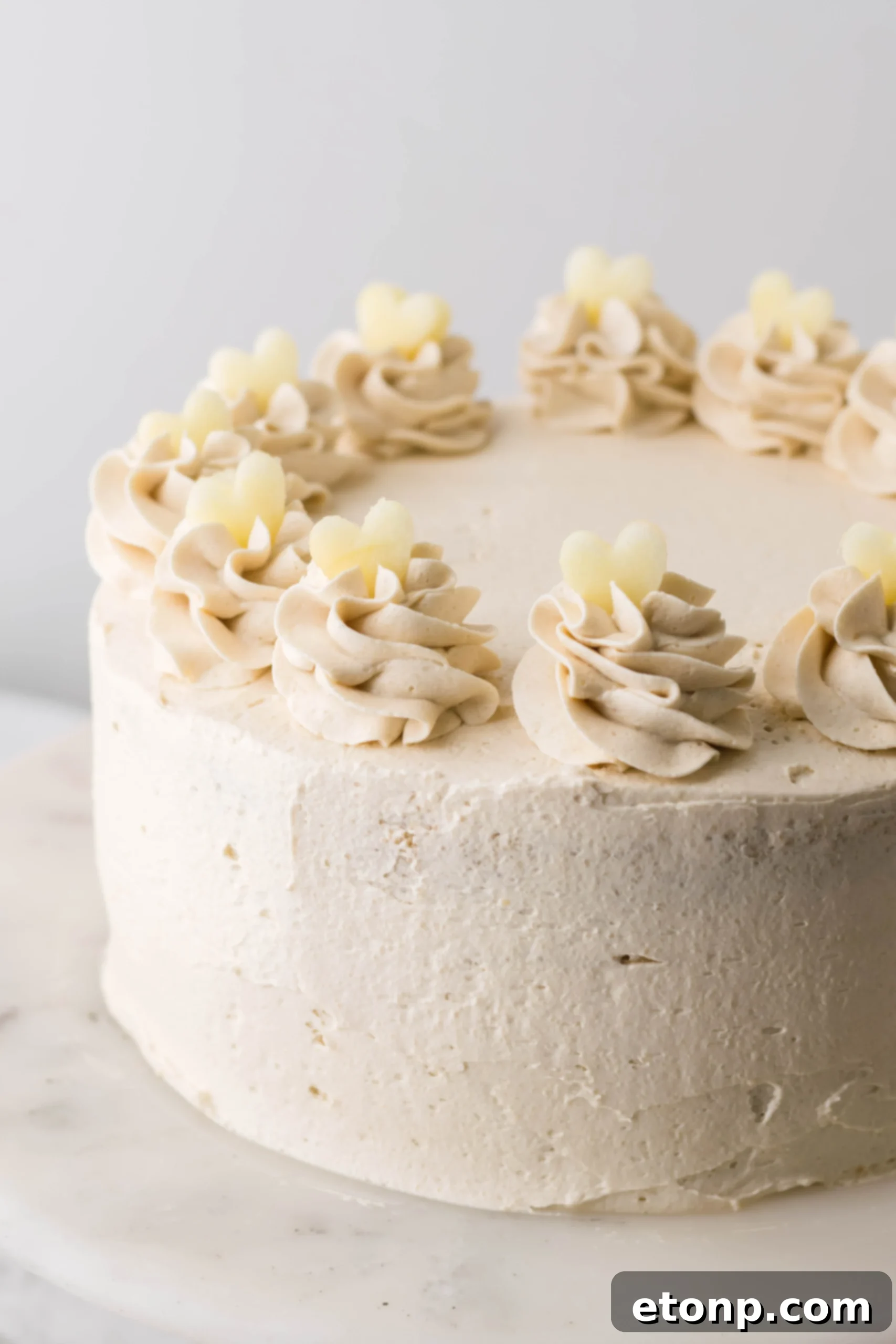
For a decorative touch, pipe some swirls or rosettes on top of the cake if desired. Garnish with fresh apple slices, a sprinkle of cinnamon, or even create little apple-shaped hearts for an extra charming touch!
-
Slice, serve, and ENJOY this exquisite taste of autumn!
Please remember to SHARE on Facebook and PIN IT!
FOLLOW ME ONPINTERESTBY CLICKING HERE <——
Did you make this recipe?
We’d love to see your creations! Make sure to follow us on Pinterest for more delicious recipes and inspiration!
Pin Recipe
Share on Facebook