
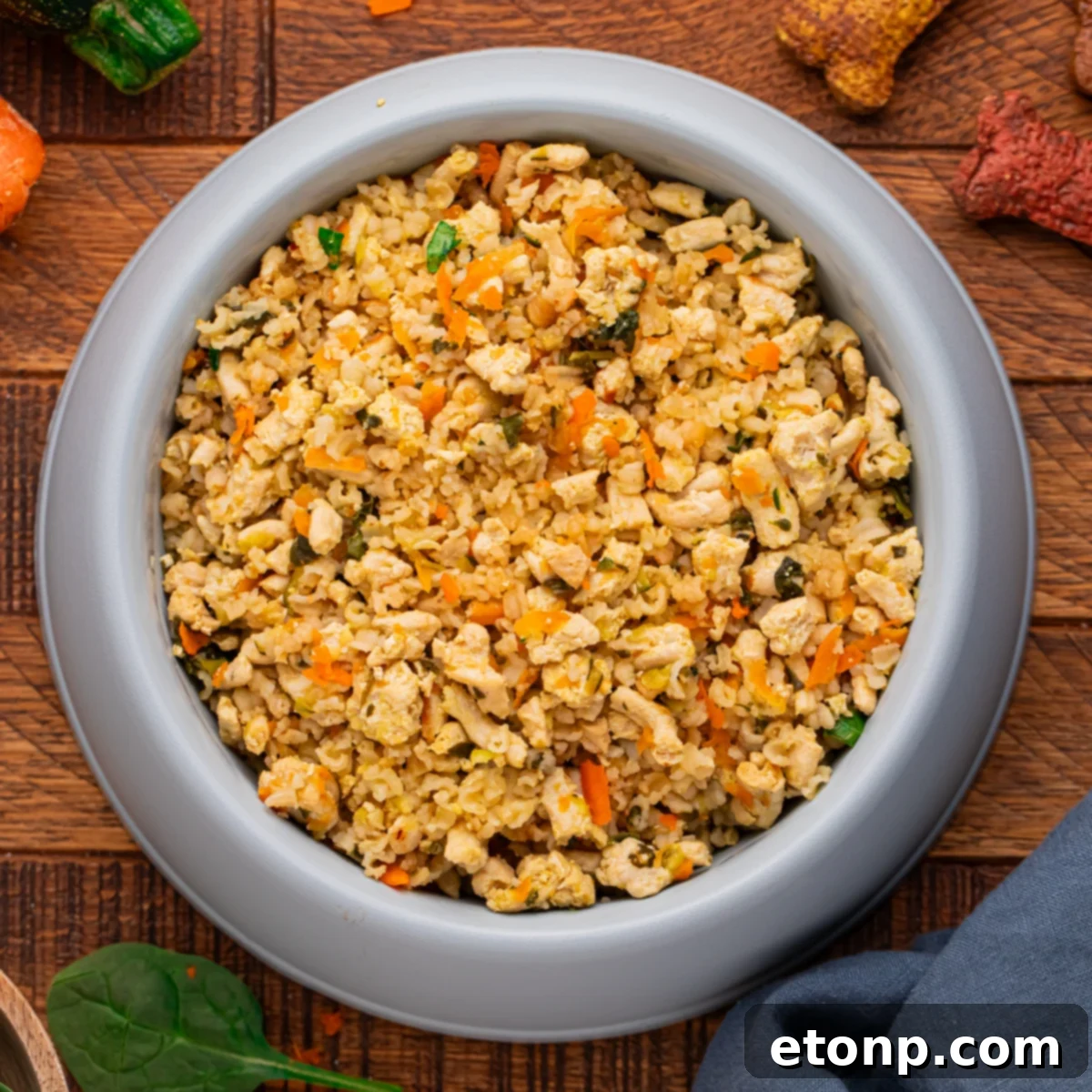
As devoted pet parents, we constantly seek the best for our furry companions, especially when it comes to their diet. This ultimate guide unveils a homemade dog food recipe that is not just delicious but also exceptionally healthy, filler-free, and perfect for sensitive stomachs: Homemade Turkey and Rice Dog Food with Veggies. This easy-to-follow recipe is destined to become a staple in your kitchen, ensuring your beloved dog receives optimal nutrition. Having shared over a decade of my life with my wonderful dog, Tanah, I understand the profound bond and the responsibility that comes with it. Through countless adventures, family milestones, and daily routines, Tanah has been an unwavering presence. Her well-being has always been a top priority, a sentiment shared by every loving dog owner.
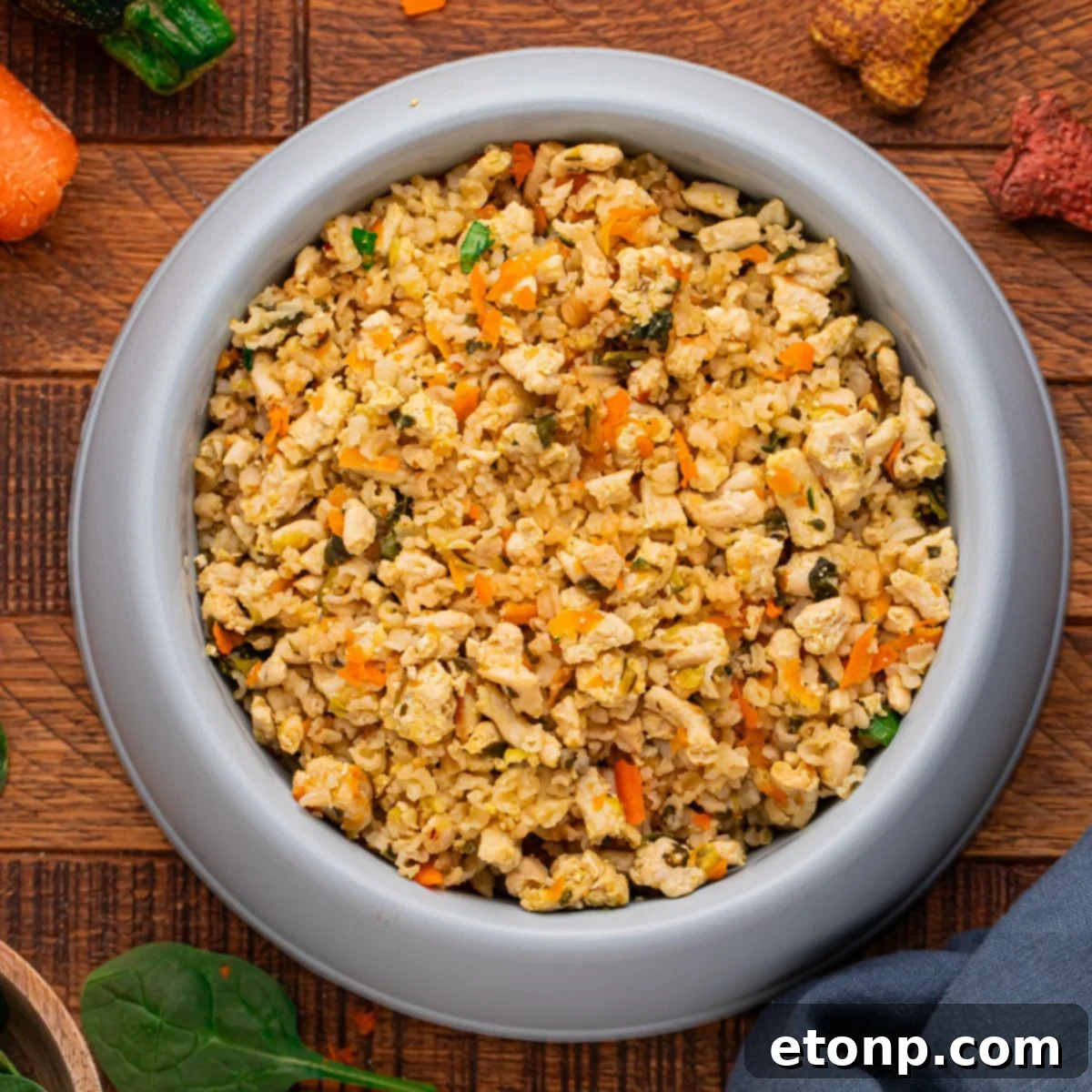
As Tanah gracefully entered her senior years, I observed a noticeable shift in her dietary needs. She began to thrive on a simpler, more wholesome diet—one rich in lean protein, easily digestible grains, and an abundance of fresh vegetables. This realization ignited my passion for creating this very recipe. Crafting her meals at home offers unparalleled peace of mind, knowing every ingredient that goes into her bowl is beneficial and safe. This homemade turkey and rice dog food is not only packed with vital nutrients but is also surprisingly budget-friendly. If you’re searching for a dog food solution that combines health, taste, and affordability, and is even approved by the pickiest of pups, this recipe is an absolute must-try for your cherished canine.
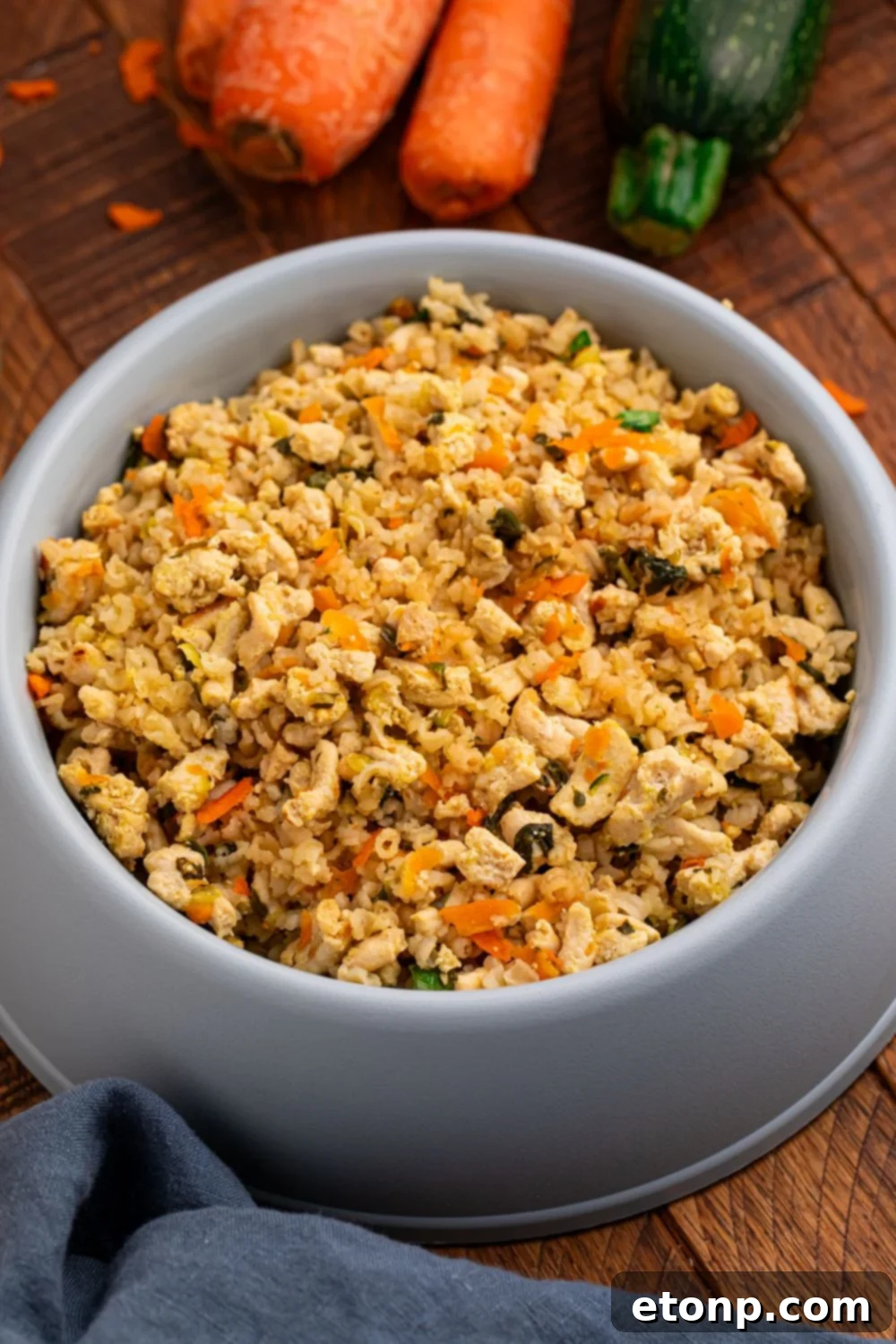
Understanding Homemade Turkey and Rice Dog Food with Veggies
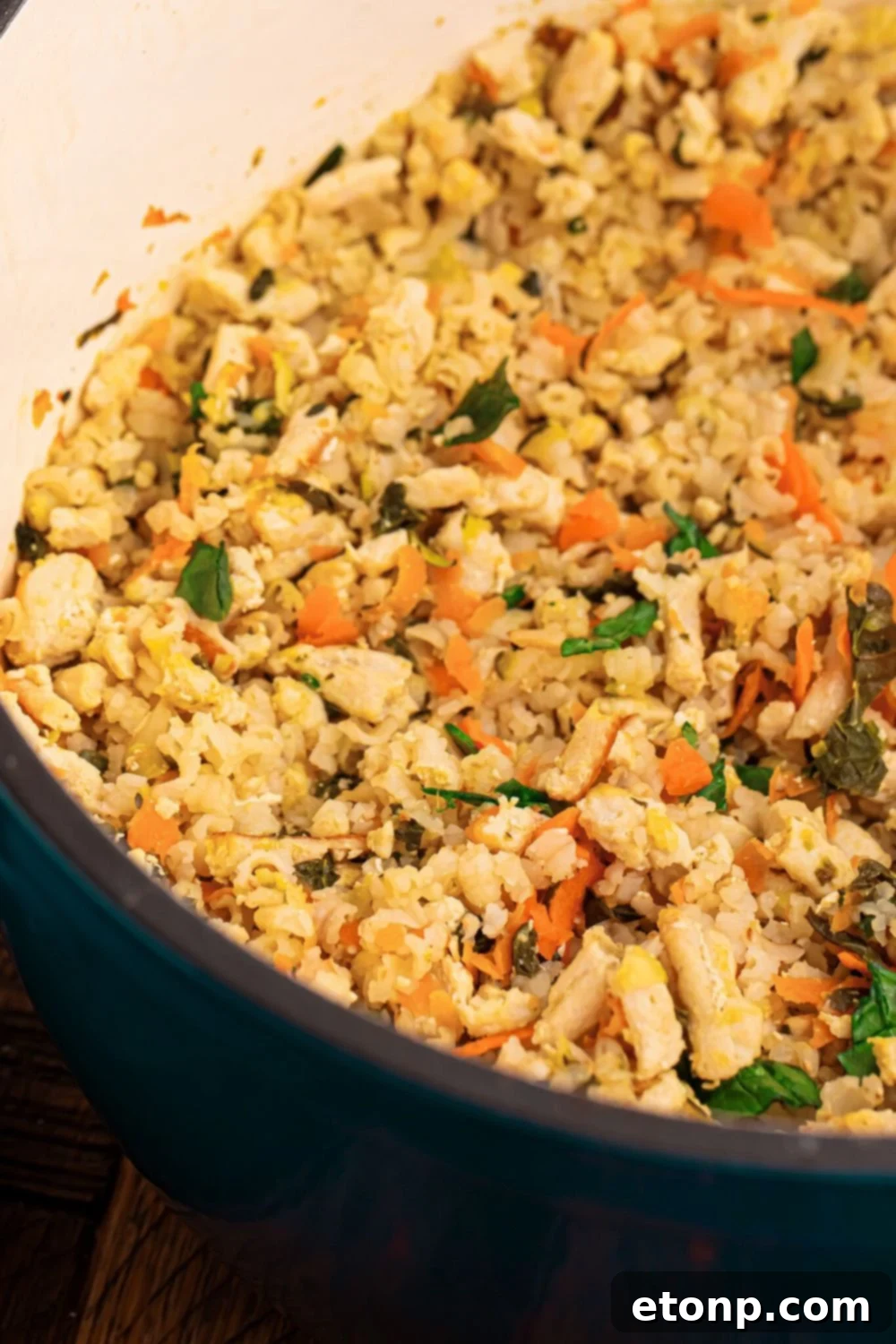
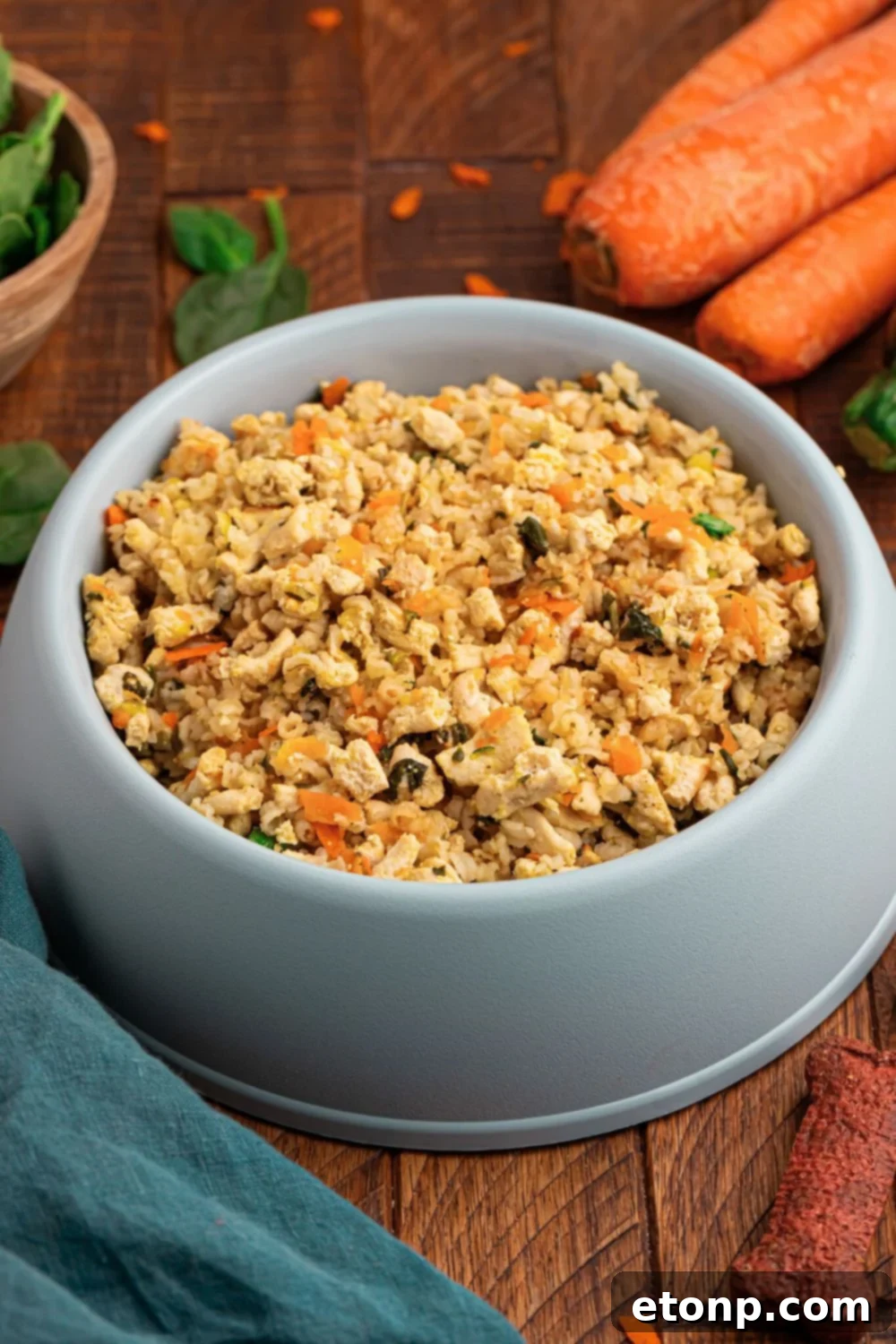
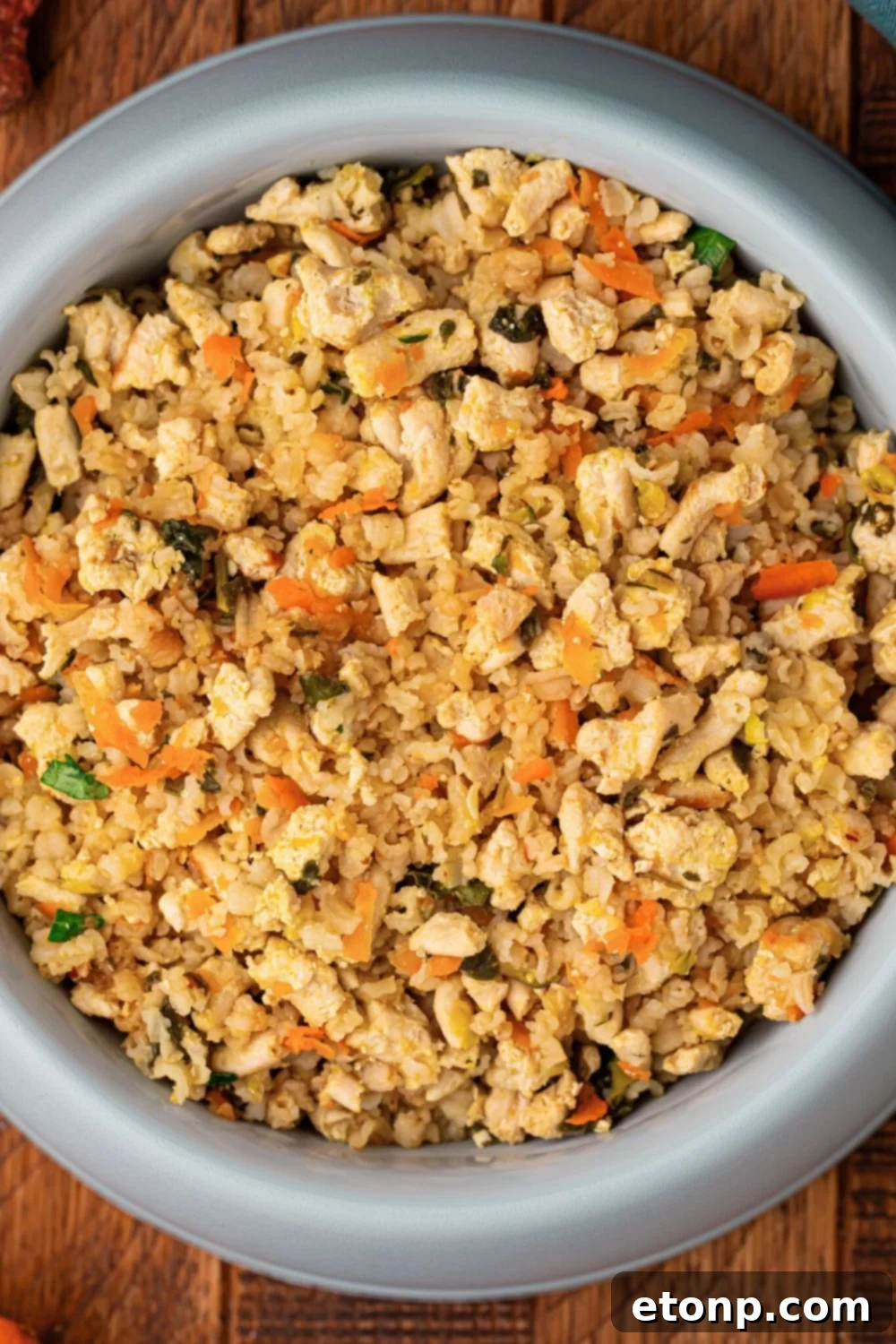
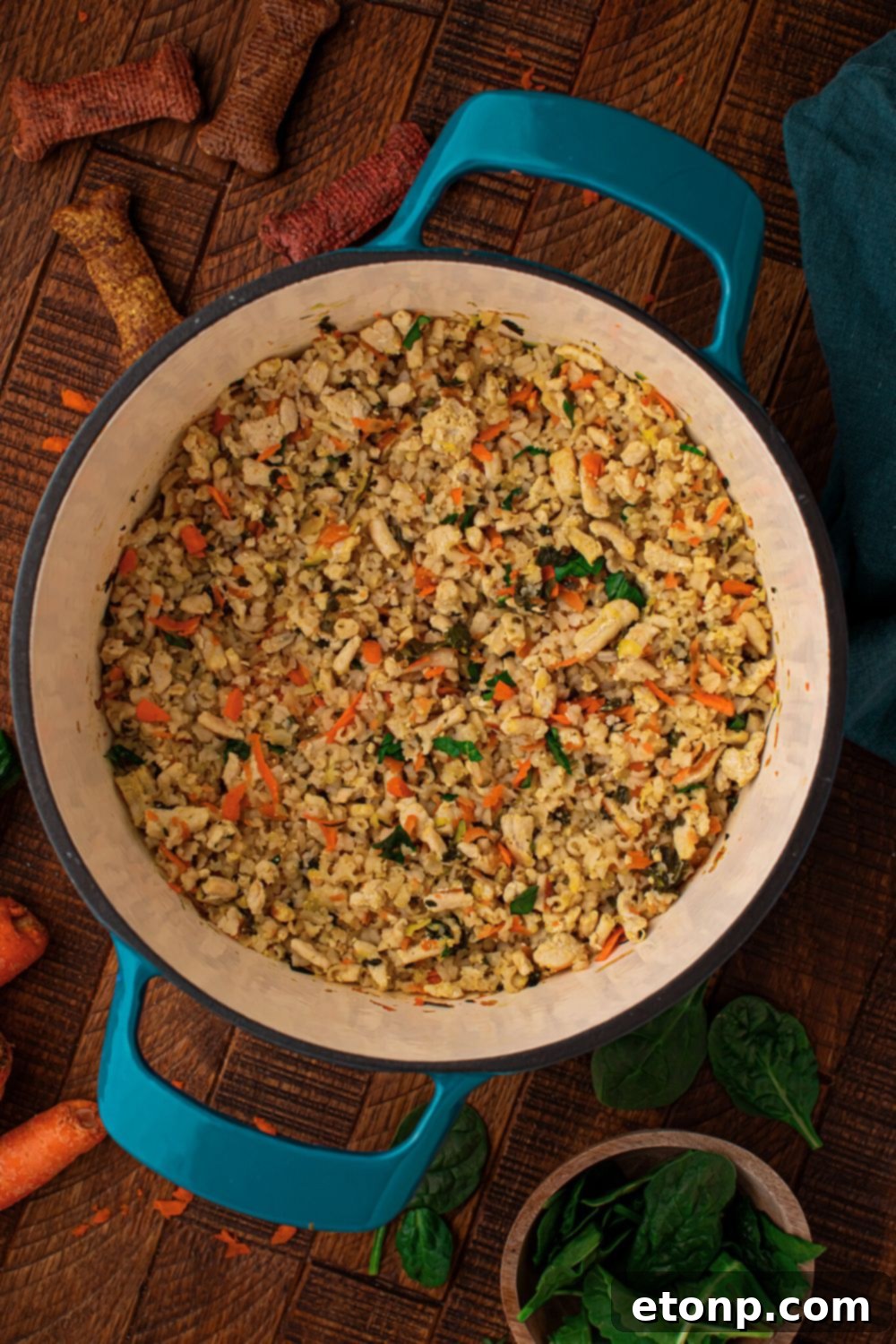
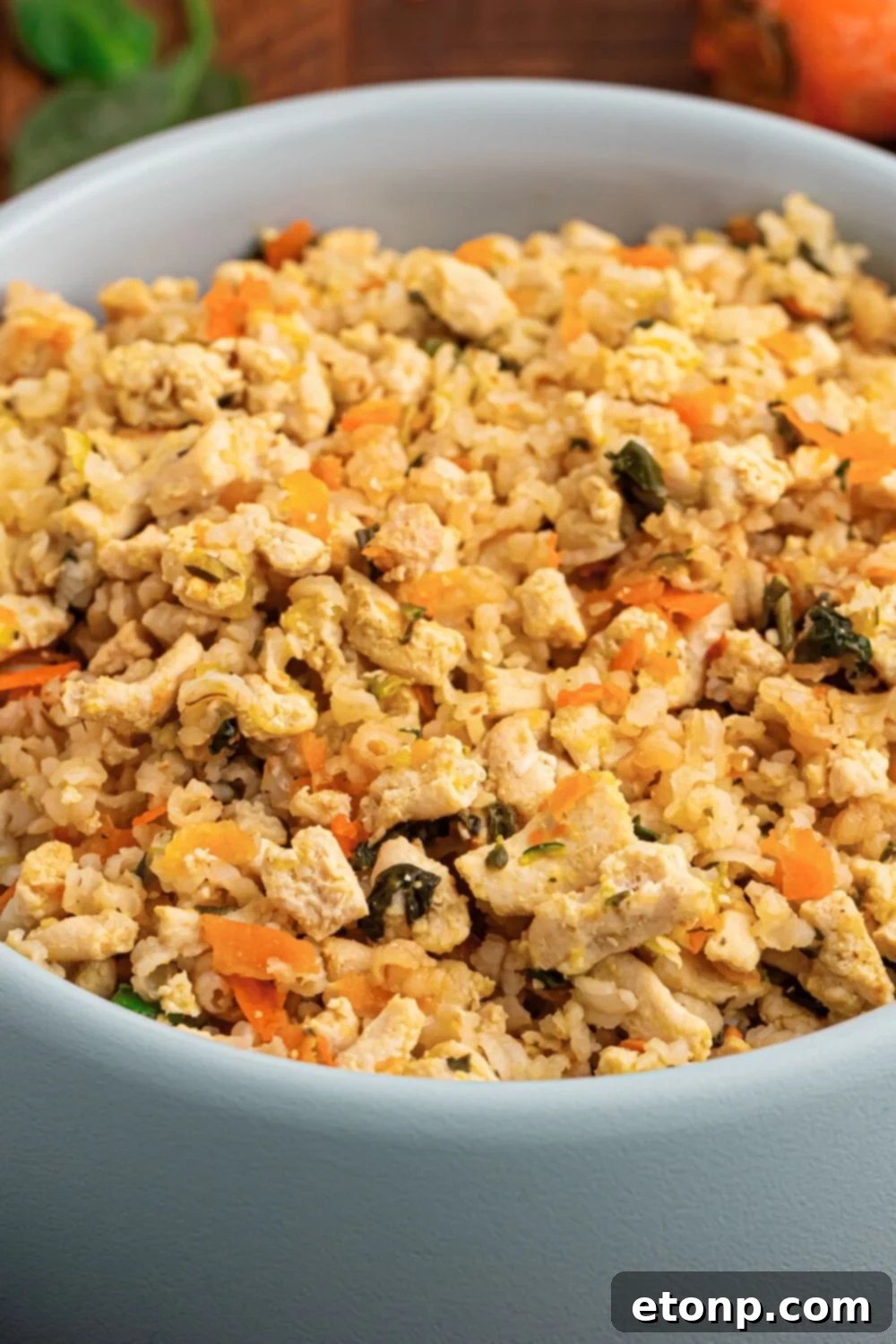
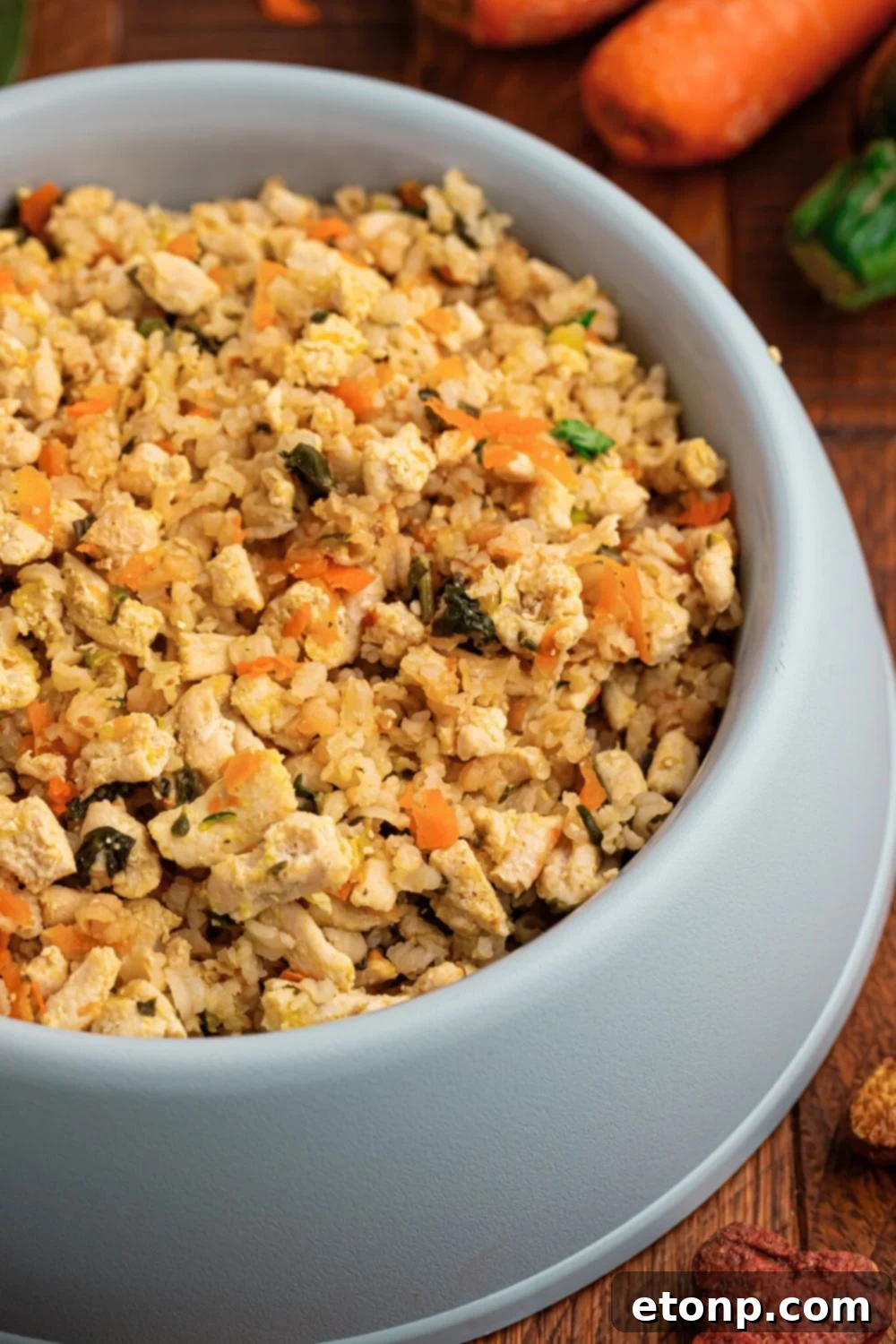
This meticulously balanced, homemade dog food recipe is crafted using premium, wholesome ingredients. It features lean ground turkey as its primary protein source, combined with nourishing cooked brown rice, and an array of fresh, vibrant vegetables such as zucchini, carrots, and spinach. The food is lightly cooked to retain maximum nutritional value while ensuring easy digestion for your canine companion. What makes this recipe truly special is its adaptability, allowing you to tailor it precisely to your dog’s unique dietary requirements and preferences.
While this recipe offers exceptional nutritional benefits, it’s important to remember that it is not a substitute for professional veterinary advice. However, these specific ingredients – lean turkey, brown rice, and gentle vegetables – are frequently recommended by veterinarians for dogs facing common issues such as sensitive stomachs, mild food intolerances, or those recovering from illness or surgery. The synergistic blend of high-quality protein, essential fiber, and a rich spectrum of vitamins makes this an outstanding choice. It can serve as a beneficial occasional meal, a nutritious topper for regular kibble, or even, with your vet’s approval, a sustainable long-term dietary solution for your dog’s overall health and well-being.
Ideal Times to Serve This Wholesome Dog Food
This versatile homemade turkey and rice dog food can be incorporated into your dog’s diet in various scenarios, offering nutritional support and delicious variety:
- As an Everyday Meal: With proper veterinary consultation to ensure it meets all nutritional requirements, this recipe can be a foundational part of your dog’s daily balanced diet, providing consistent, healthy nourishment.
- For Sensitive Stomachs: The gentle combination of lean ground turkey and easily digestible brown rice makes this an excellent choice for dogs prone to digestive upset or those needing a bland diet.
- During Recovery Periods: Following an illness, injury, or surgery, many veterinarians recommend bland, home-cooked meals like this one to aid digestion and support recovery without stressing the system.
- As a Nutritious Topper: Enhance your dog’s regular kibble by mixing in a scoop of this homemade food. It boosts flavor, adds extra nutrients, and provides moisture, making mealtime more enticing.
- For Picky Eaters: The fresh, appealing aroma and taste of real ingredients can often tempt even the most stubborn or discerning dogs to clean their bowls, ensuring they get the nutrition they need.
Why This Recipe Will Be a Favorite for Both You and Your Dog
Beyond being a simple meal, this homemade dog food offers a multitude of benefits that will make it a cherished addition to your dog’s routine and your peace of mind:
- Simple, Wholesome Ingredients: Every component of this recipe can be easily sourced from your local grocery store, ensuring freshness and quality without complex or hard-to-find items.
- Customizable for Individual Needs: Whether your dog has specific allergies, prefers certain flavors, or requires a modified diet, this recipe is highly adaptable to meet their unique preferences and health requirements.
- Cost-Effective Nutrition: Compared to many premium commercial dog food brands, making your own food at home can significantly reduce expenses while still providing superior nutrition.
- Ultimate Peace of Mind: By preparing meals yourself, you gain complete control and transparency over what goes into your dog’s bowl, eliminating worries about fillers, artificial additives, or harmful preservatives.
- Universally Loved by Dogs: From energetic puppies to discerning adults and beloved seniors like Tanah, dogs of all ages and breeds consistently adore the taste and texture of this fresh, homemade meal.
Ingredient Spotlight: The Power of Wholesome Components
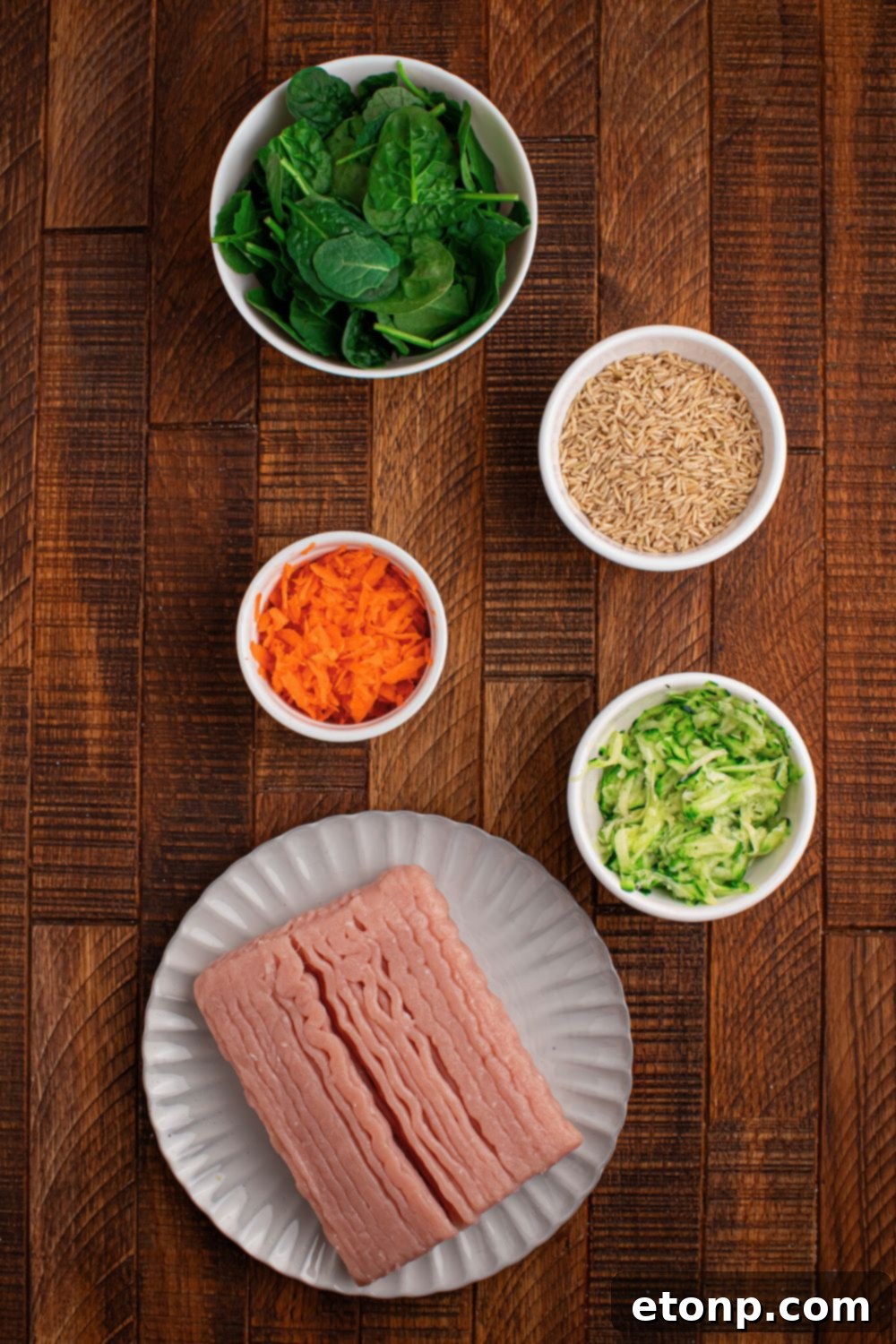
Each ingredient in this healthy homemade dog food recipe plays a crucial role in providing balanced nutrition. Understanding their individual benefits can help you appreciate the wholesome goodness your dog is receiving.
Ground Turkey: This is an excellent source of lean protein, essential for muscle development, energy, and overall health. Opt for 93% lean or leaner to keep fat content moderate. Crucially, always use plain, unseasoned ground turkey, as spices, excessive salt, and other additives found in pre-seasoned meats can be harmful or toxic to dogs.
Brown Rice: A complex carbohydrate that provides sustained energy and a rich source of dietary fiber, promoting healthy digestion and regular bowel movements. Brown rice is generally more nutrient-dense than white rice, offering more vitamins and minerals. However, for dogs with extremely sensitive stomachs or those recovering from gastrointestinal upset, white rice can be a gentler, more easily digestible alternative.
Zucchini: A low-calorie, hydrating vegetable packed with essential vitamins like Vitamin C, which supports the immune system, and potassium, vital for nerve and muscle function. Zucchini is gentle on the stomach and a good source of antioxidants. Always shred or finely chop zucchini before adding it to the food to ensure easier digestion and nutrient absorption.
Carrots: These vibrant root vegetables are renowned for being rich in beta-carotene, an antioxidant that converts to Vitamin A in the body, crucial for good vision, immune function, and skin health. Carrots also provide a good amount of fiber. Like zucchini, finely shred or dice carrots to help break down their cellular walls, making their nutrients more bioavailable for your dog.
Spinach: A leafy green powerhouse, spinach offers a wealth of iron, important for oxygen transport in the blood, Vitamin A, and various antioxidants. While highly nutritious, spinach contains oxalates, so it should be fed in moderation. Always chop spinach finely to prevent any choking hazards and aid in digestion, allowing your dog to fully benefit from its nutrient profile.
Water or Low-Sodium Broth (optional): Adding a splash of water or a high-quality, low-sodium chicken or vegetable broth can enhance the moisture content of the food. This is particularly beneficial for dogs who prefer softer textures or those who need extra hydration, making the meal more palatable and easier to consume.
Creative Variations to Keep Meals Exciting
One of the greatest advantages of making homemade dog food is the flexibility to introduce variety and cater to your dog’s specific needs or preferences. Here are some fantastic variations to customize your turkey and rice recipe:
- Protein Swap: While turkey is an excellent lean protein, you can easily substitute it with other healthy options like ground chicken, lean ground beef, or even cooked white fish (ensure it’s completely deboned). This offers different nutrient profiles and flavors.
- Grain-Free Option: For dogs with grain sensitivities or those on a grain-free diet, replace the brown rice with cooked quinoa, which is a complete protein, or mashed sweet potatoes or butternut squash, both excellent sources of complex carbohydrates and vitamins.
- Extra Veggies: Boost the nutrient content and fiber by adding other dog-friendly vegetables. Peas, green beans, or small amounts of plain pumpkin (not pumpkin pie filling) are great choices. Always ensure vegetables are cooked and finely chopped or pureed for easy digestion.
- For More Calories: If your dog is highly active, underweight, or simply needs a caloric boost, you can mix in a small amount of plain canned salmon (packed in water, not oil, and thoroughly deboned) or a teaspoon of olive oil or coconut oil per serving. Always consult your vet before adding oils, especially for long-term feeding.
Troubleshooting Common Homemade Dog Food Challenges
Even with the best intentions, you might encounter a few hurdles when introducing new homemade food. Here’s how to address common issues:
Dog won’t eat it? Some dogs can be a bit wary of new foods. Try gently warming the food in the microwave for a few seconds to release its enticing aroma. A small splash of low-sodium chicken broth can also significantly increase its appeal and palatability. You can also mix a small amount with their current food and gradually increase the homemade portion.
Food seems too dry? The moisture content can vary, especially after refrigeration or freezing. When reheating, mix in a little extra cooked brown rice or a tablespoon or two of water or low-sodium broth to achieve a more moist, appealing texture.
Dog needs softer food? For senior dogs, puppies, or those with dental issues, a softer texture is often preferred. To achieve this, puree the cooked vegetables before mixing them into the turkey and rice, creating a smoother consistency that’s easier to chew and swallow.
Dog has allergies? If you suspect your dog has an allergy to a specific ingredient, simply swap it out. For example, if turkey is an issue, try ground lamb or chicken. If rice is problematic, substitute it with cooked quinoa or sweet potato. Always introduce new ingredients slowly and monitor your dog for any adverse reactions, consulting your vet if concerns arise.
Storage and Serving Guidelines for Freshness and Safety
Proper storage and serving are key to maintaining the freshness, safety, and palatability of your homemade dog food:
- Refrigerator Storage: Store any uneaten portions in an airtight container in the refrigerator for up to 5 days. This prevents spoilage and keeps the food fresh.
- Freezer Storage: For longer preservation, portion the cooled food into freezer-safe containers or heavy-duty freezer bags. It can be safely stored in the freezer for up to 2 months.
- Serving Temperature: Always serve the food slightly warm or at room temperature. Avoid serving hot food directly from the stove or microwave, as it can burn your dog’s mouth and esophagus.
- Determining Portion Size: The ideal portion size for your dog varies significantly based on factors such as their weight, age, activity level, and overall health. It is crucial to consult your veterinarian to determine the exact and appropriate feeding amounts for your individual dog to ensure they receive adequate nutrition without over or under-feeding.
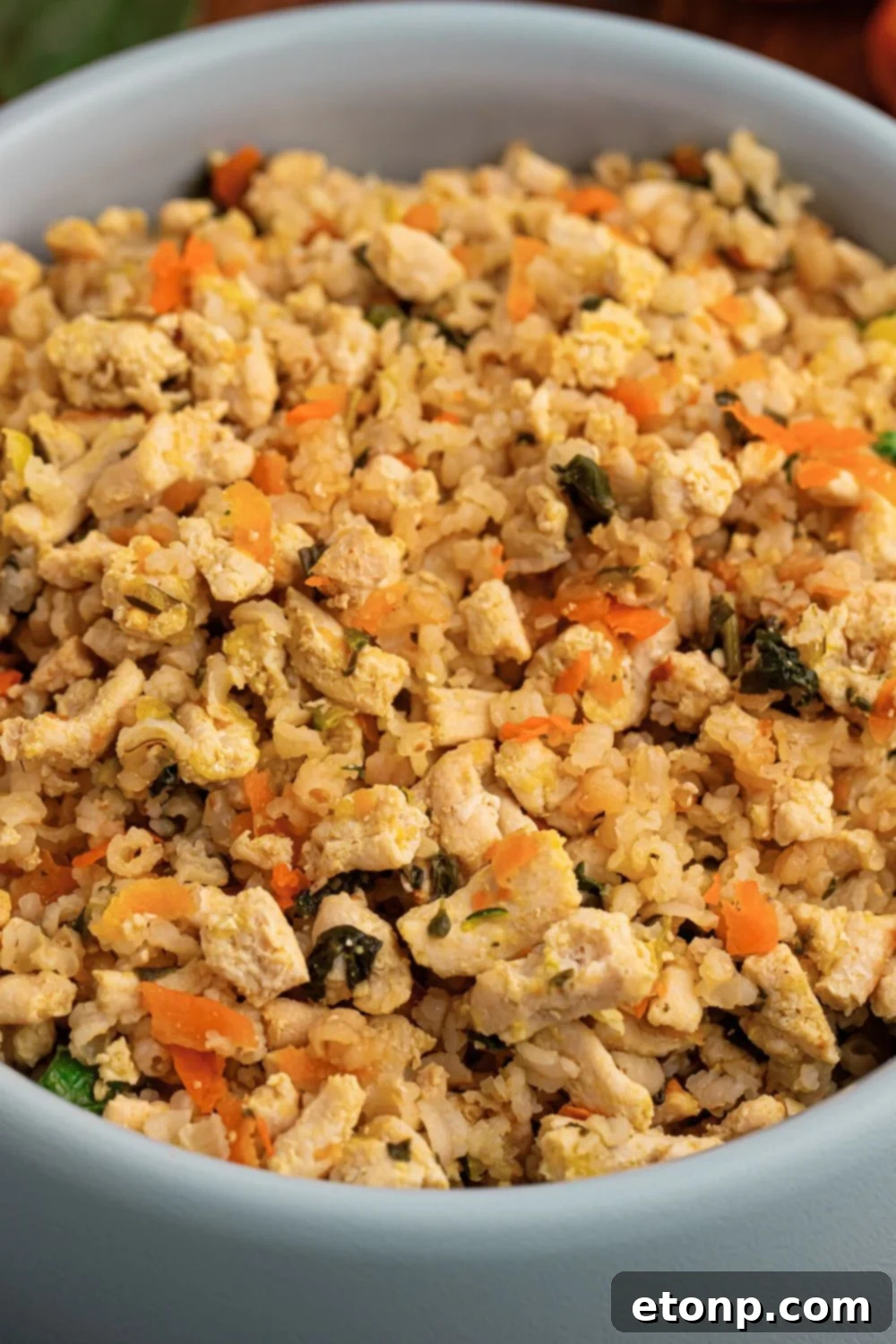
Smart Make-Ahead and Freezing Strategies
To maximize convenience and ensure you always have a healthy meal on hand, I highly recommend making a double batch of this homemade dog food recipe. For Tanah, I often prepare a larger quantity and freeze half in individual portions. This invaluable strategy means I can effortlessly provide her with a quick, wholesome meal without the need for daily cooking, saving both time and effort.
To freeze effectively, allow the freshly cooked food to cool completely to room temperature. This prevents condensation and freezer burn. Once cooled, portion the food into appropriately sized, freezer-safe containers or sturdy freezer bags. Clearly label each container with the date and contents. When you’re ready to serve, simply thaw a portion overnight in the refrigerator. Before feeding, gently warm it slightly to enhance its aroma and palatability, making it more appealing for your dog.
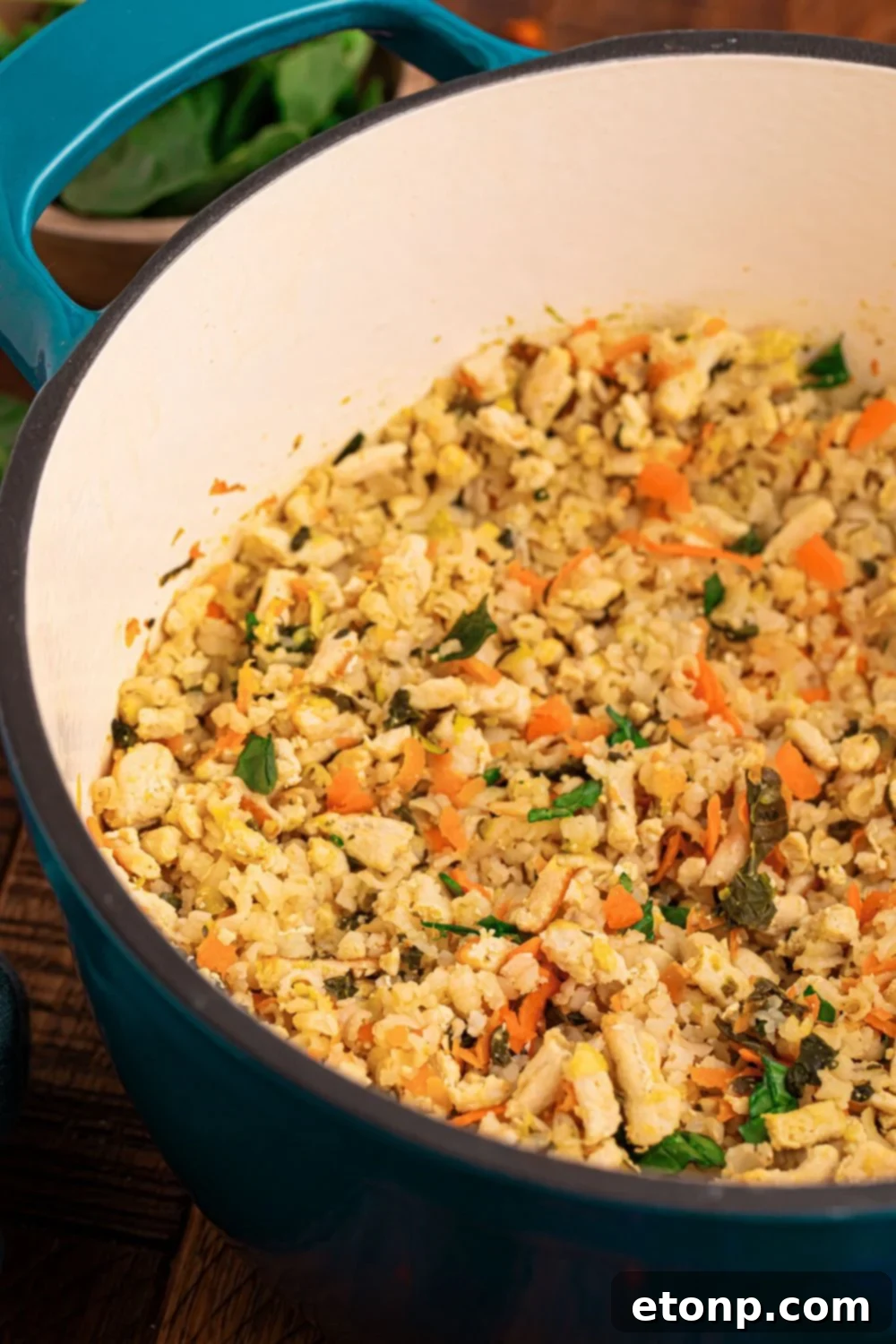
A Lightened-Up Version for Calorie-Conscious Canines
For dogs who are on a calorie-restricted diet, perhaps due to weight management goals or a less active lifestyle, this recipe can be easily adjusted to create a lighter, yet equally nutritious, meal:
- Opt for Extra-Lean Turkey: Choose ground turkey that is 99% lean to significantly reduce the fat content, thereby lowering the overall calorie count while still providing essential protein.
- Focus on Low-Starch Veggies: Prioritize vegetables that are naturally low in calories and carbohydrates, such as zucchini and spinach. These provide vital nutrients and fiber without adding excess calories.
- Reduce Rice, Add Green Beans: Decrease the amount of brown rice by one-third. To maintain a satisfying volume and boost fiber content, replace the removed rice portion with an equal amount of steamed green beans. Green beans are low in calories and an excellent source of dietary fiber, promoting satiety.
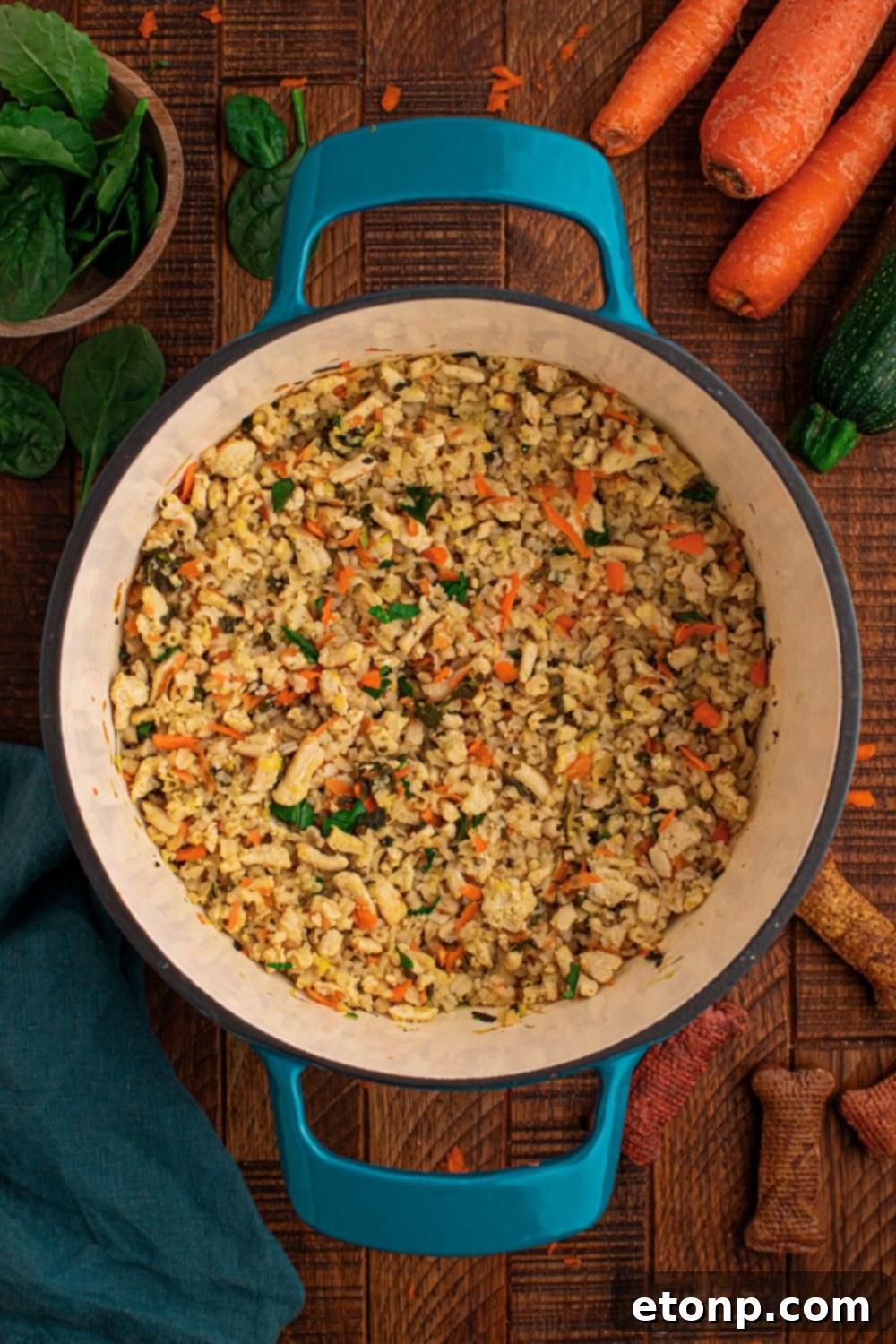
Budget-Friendly Benefits: A Cost Breakdown
One of the most appealing aspects of making your own dog food is the significant cost savings without compromising on quality. Here’s a realistic breakdown of what this homemade dog food for sensitive stomachs typically costs, based on local ingredient prices:
- 1 lb lean ground turkey – $4.50
- 1 cup uncooked brown rice – $0.60
- ½ cup shredded zucchini – $0.50
- ½ cup shredded carrot – $0.40
- 1 cup chopped spinach – $0.80
Total estimated cost: Approximately $6.80 for a batch yielding around 8 cups of nutritious dog food. This translates to an incredibly affordable price of less than $0.90 per cup. When you compare this to the cost of many premium commercial dog food brands, which can easily exceed $2-$3 per cup for comparable quality, the savings are substantial. This recipe proves that providing your dog with wholesome, high-quality nutrition doesn’t have to break the bank.
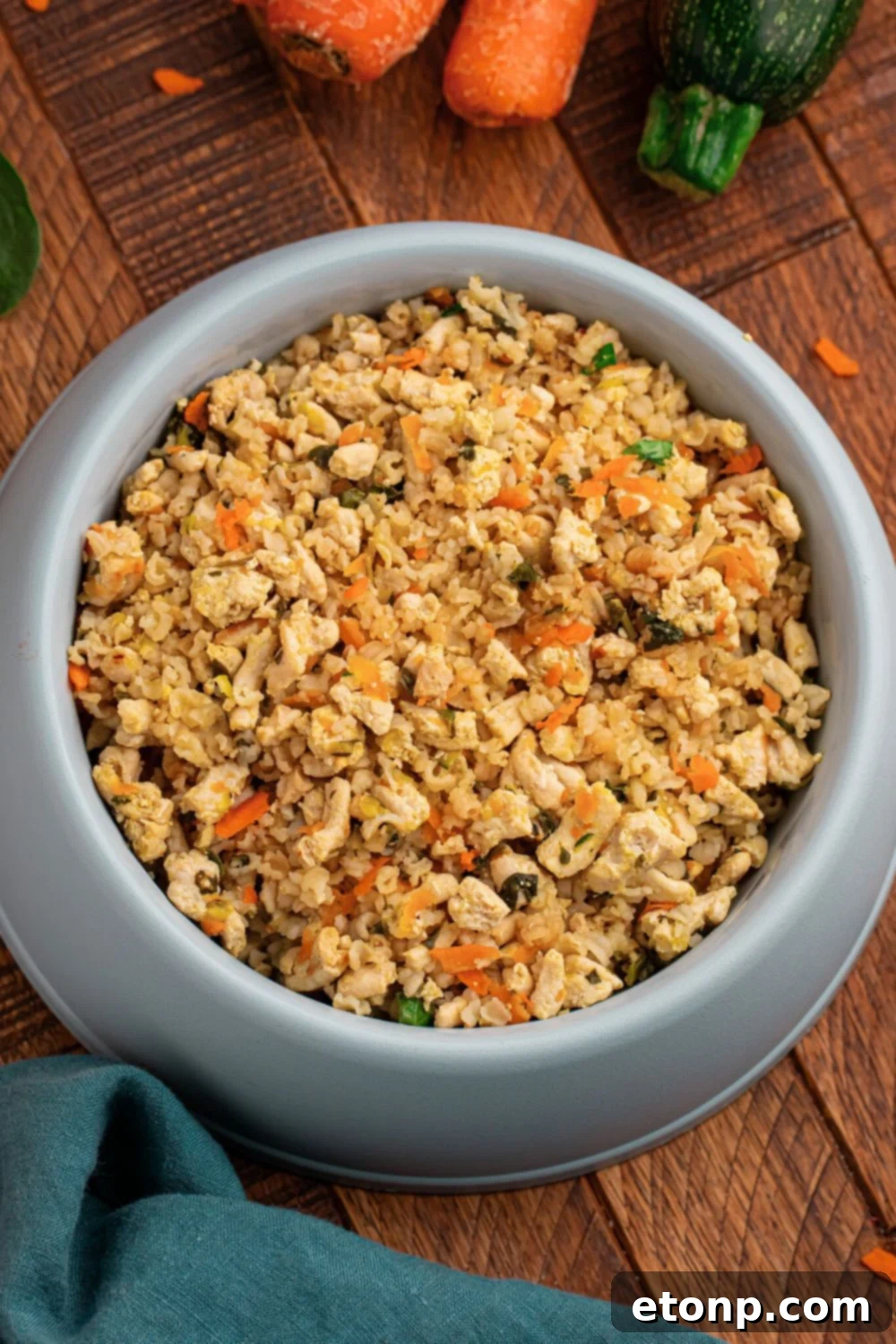
Beginner Mistakes to Steer Clear Of
To ensure your homemade dog food is both safe and beneficial, it’s vital to avoid common pitfalls:
- Using Seasoned Meat: This is perhaps the most critical mistake. Many human food seasonings, including garlic powder, onion powder, excessive salt, and various spices, are toxic or harmful to dogs. Always opt for plain, unseasoned meat and add only dog-safe ingredients.
- Serving Food Too Hot: Just like with humans, hot food can cause painful burns to your dog’s mouth and esophagus. Always allow the food to cool completely or serve it slightly warm, never hot.
- Skipping Proper Veggie Preparation: Large chunks of vegetables can be difficult for dogs to chew, digest, and can even pose a choking hazard. Finely shred, chop, or puree all vegetables to ensure they are easily consumable and their nutrients are properly absorbed.
- Neglecting Veterinary Consultation: While this recipe is designed to be healthy, it’s not a complete and balanced diet for all dogs, especially if fed long-term. Always consult with your veterinarian before making significant changes to your dog’s diet. They can help ensure homemade meals meet all your dog’s specific nutritional requirements and advise on necessary supplements.
My Personal Kitchen Notes: A Dog Mom’s Perspective
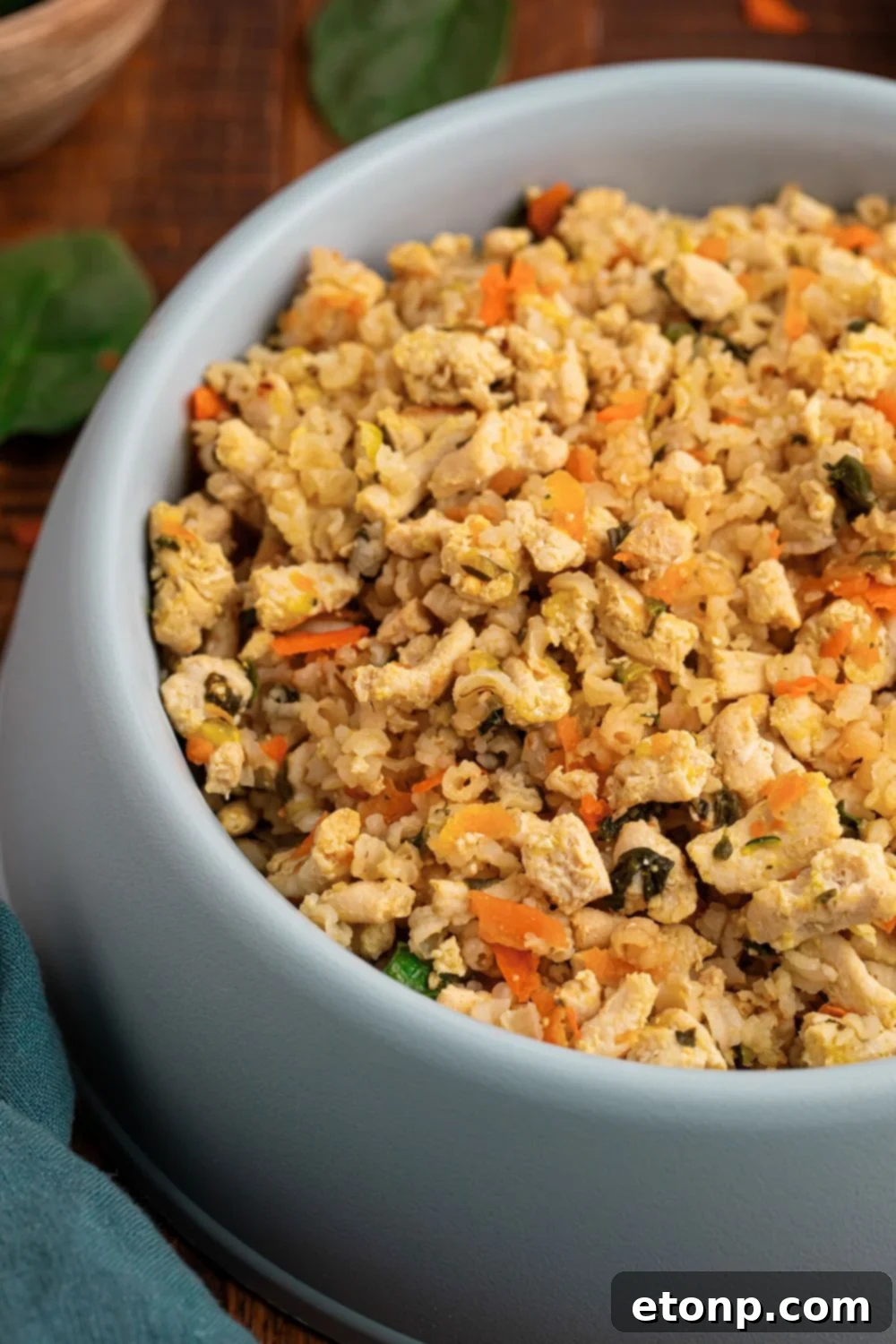
Tanah, my loyal 10-year-old companion, has always been a pretty good eater. However, as she’s grown older, her palate has become a little more refined, a trait many dog parents can relate to. This homemade turkey and rice dog food with veggies is one meal she absolutely never turns down. The sheer excitement she displays when I bring out a fresh batch is pure joy—it’s always met with enthusiastic tail wags and happy paws. This consistent eagerness is the ultimate testament to the recipe’s appeal.
For me, the satisfaction goes beyond just seeing her enjoy her food. Making it myself provides an invaluable sense of control over the freshness and quality of every single ingredient. I have complete confidence that she’s receiving lean, wholesome protein, complex carbohydrates, and a full spectrum of essential vitamins in every single bite. And perhaps the best part for a busy dog mom like me? It’s incredibly easy to throw together, often while I’m already preparing dinner for the rest of the family. It’s a simple, rewarding act of love that ensures Tanah gets the very best.
What Makes This Recipe Stand Out from Other Homemade Dog Food Options
In a world brimming with various homemade dog food recipes, this particular turkey and rice version carves its own niche due to several distinct advantages:
- Balanced Simplicity: Unlike many recipes that tend to overemphasize either protein or carbohydrates, this formula maintains a thoughtfully balanced ratio. This approach ensures it is gentle on your dog’s digestion while providing complete satisfaction and sustained energy.
- Senior-Dog Friendly Design: Crafted with older dogs in mind, the combination of lean ground turkey, soft-cooked rice, and finely shredded vegetables makes this meal exceptionally easy for senior canines, like my 10-year-old Tanah, to chew and digest comfortably.
- Exclusively Fresh Vegetables: We prioritize fresh produce, steering clear of frozen blends that might contain hidden seasonings, excessive sodium, or preservatives. Every vegetable is selected and prepared specifically with your dog’s health in mind.
- Unbeatable Budget-Friendliness: At an estimated cost of under $1 per cup, this recipe proves that premium, wholesome nutrition doesn’t have to be expensive. It offers a far more economical alternative to most high-end, store-bought dog foods, without compromising on quality.
- Flexible for Dietary Sensitivities: This recipe is inherently adaptable, making it an excellent choice for dogs with various dietary needs. It can be easily modified for grain-free diets, adjusted for allergy-friendly requirements, or tweaked to meet higher calorie needs with only minor adjustments, ensuring every dog can enjoy it.
Comprehensive Meal Prep & Portioning Guide for All Dog Sizes
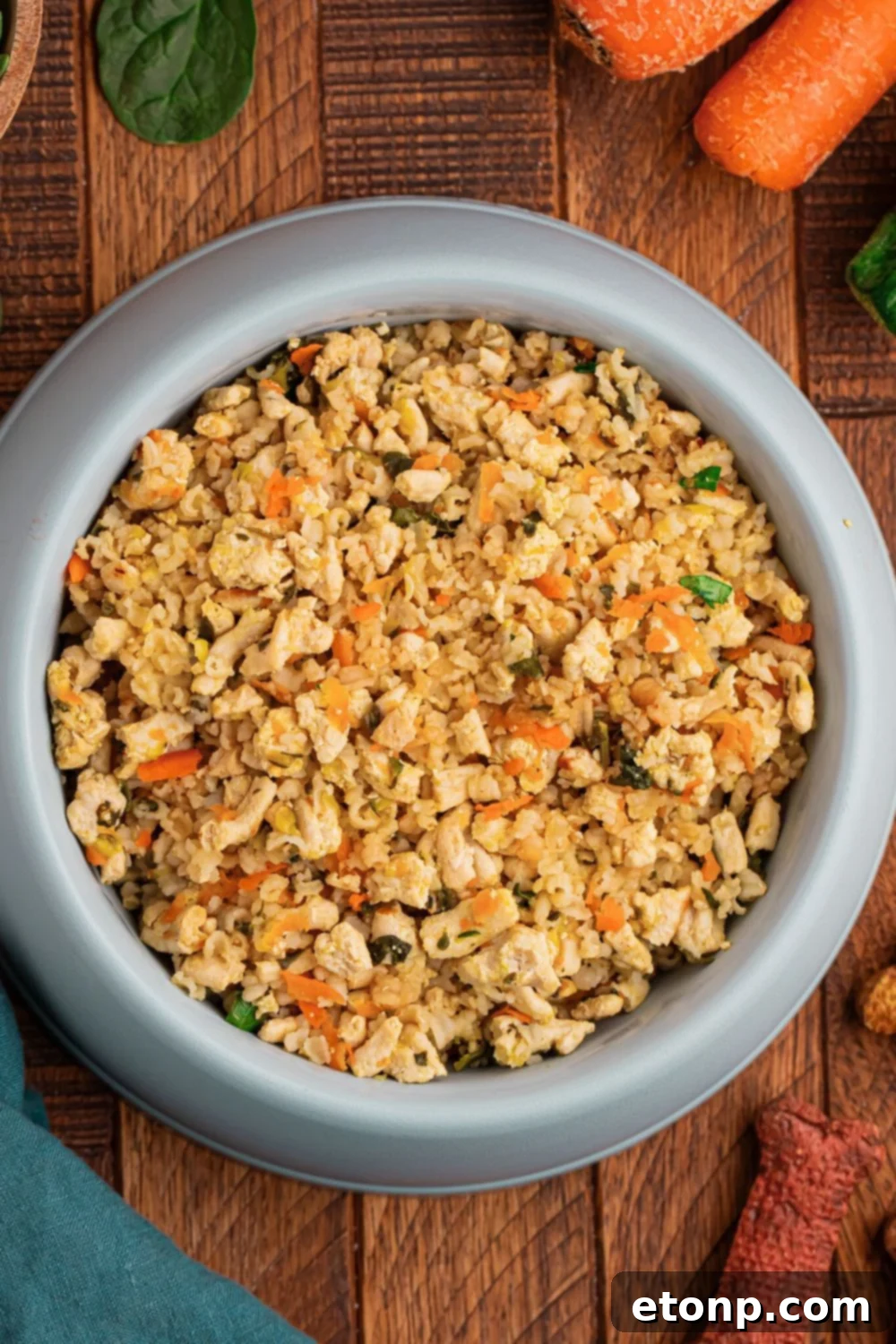
Determining the correct portion size is crucial for your dog’s health and can vary significantly based on their age, weight, and activity level. Always consult your veterinarian for personalized guidance, but here’s a general starting point to help you:
- Small Dogs (10–20 lbs): Typically require ½ to 1 cup of food per day, ideally split into two smaller meals to aid digestion and manage energy levels.
- Medium Dogs (20–50 lbs): Can consume between 1½ to 3 cups per day, also divided into two balanced meals.
- Large Dogs (50–80 lbs): Generally need 3 to 4½ cups of food daily, distributed across two meals to prevent bloating and promote steady energy.
- Extra-Large Dogs (80+ lbs): May require 4½ to 6 cups of food per day, divided into at least two meals, sometimes three, depending on their metabolism and activity.
Essential Meal Prep Tips for Efficiency and Safety:
- Batch Cooking & Freezing: Prepare a larger batch of the recipe and portion it into individual daily servings. Freeze these portions for convenient thawing, ensuring a fresh meal is always readily available.
- Clear Labeling: When freezing, label each container or bag with your dog’s name (if you have multiple pets) and the exact portion size. This prevents mix-ups and ensures accurate feeding.
- Prevent Overfeeding: If you are feeding more than one dog, pre-portioning their meals ahead of time is an excellent strategy to prevent overfeeding, especially if one dog tends to eat faster or more aggressively than another.
Flexible Protein Swaps & Strategic Dietary Adjustments
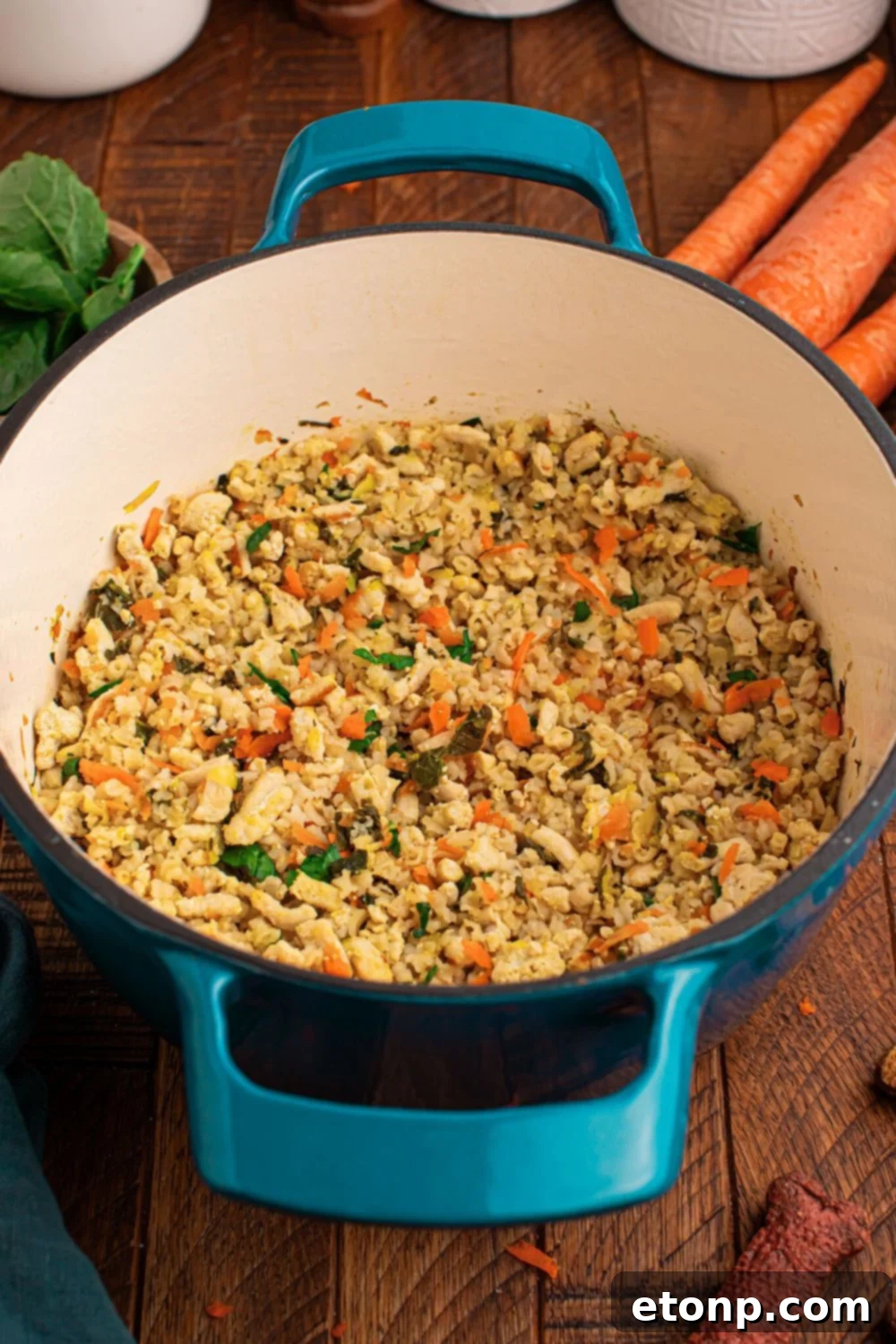
While this recipe is built around a wholesome base of turkey, rice, and vegetables, its true strength lies in its incredible flexibility. You can easily modify the ingredients to perfectly suit your dog’s unique health requirements, allergies, or even just their taste preferences:
- Alternative Protein Swaps: Instead of ground turkey, consider using other lean protein sources. Excellent choices include ground chicken, lean ground beef, ground lamb, or cooked white fish (ensuring all bones are meticulously removed). Each offers a slightly different nutritional profile and flavor, keeping mealtime interesting.
- Grain-Free Dietary Option: If your dog has a grain sensitivity or you prefer a grain-free approach, replace the brown rice with cooked quinoa (a complete protein), mashed sweet potato, or pureed butternut squash. These alternatives provide healthy carbohydrates and fiber.
- Lower-Fat Version: For dogs needing a calorie-restricted or lower-fat diet, opt for extra-lean ground turkey (99% lean) or use ground chicken breast exclusively. These choices significantly reduce fat content without sacrificing protein.
- Higher-Fat Version: If your dog is highly active, underweight, or requires a caloric boost, you can judiciously add a small amount of healthy fats. A teaspoon of olive oil or coconut oil per serving, approved by your veterinarian, can provide essential fatty acids and extra calories.
- Diverse Vegetable Swaps: Feel free to experiment with other dog-friendly vegetables. Green beans, peas, or plain pumpkin puree (not pie filling) can be used to replace or supplement the zucchini and spinach, offering a wider array of vitamins and minerals.
- Sensitive Stomach Adjustment: For dogs with very delicate digestive systems, or those recovering from illness, using white rice instead of brown rice can be beneficial as it is often easier to digest. Additionally, stick to a single, mild vegetable like finely grated carrot to minimize potential irritants.
Remember, when making any significant changes to your dog’s diet, it is always best to introduce new ingredients gradually. This approach helps prevent any sudden gastrointestinal upset. Most importantly, always consult with your veterinarian before implementing major dietary adjustments to ensure your dog’s nutritional needs are consistently met.
Frequently Asked Questions (FAQ) About Homemade Dog Food
To further assist you in confidently preparing this nutritious meal, here are answers to some commonly asked questions:
Can I use white rice instead of brown rice in this recipe?
Yes, absolutely. White rice is generally easier to digest than brown rice and can be a better option for dogs with extremely sensitive stomachs or those recovering from digestive issues. Just ensure it’s cooked thoroughly.
Is it safe to add supplements to this homemade dog food?
You can add supplements, but it is critical to check with your veterinarian first. If you plan to feed this homemade recipe as a long-term, primary diet, your vet may recommend specific supplements, such as calcium, phosphorus, or omega-3 fatty acids, to ensure a complete and balanced nutritional profile tailored to your dog’s needs.
How much of this food should I feed my dog daily?
The ideal portion size is highly individual and depends on several factors, including your dog’s size, age, activity level, and overall health condition. Your veterinarian is the best resource for providing precise feeding guidelines tailored specifically for your dog to ensure they maintain a healthy weight and receive adequate nutrients.
Can I use frozen vegetables instead of fresh ones?
Yes, using frozen vegetables is a convenient alternative. However, it is crucial to select plain frozen vegetables that contain no added salt, sauces, or seasonings. Always check the ingredient list to ensure they are 100% vegetable, as many frozen mixes contain dog-unsafe additives.
How long can this homemade dog food be stored in the freezer?
When stored properly in airtight, freezer-safe containers or bags, this homemade turkey and rice dog food can be kept in the freezer for up to 2 months while maintaining its quality and safety. Always label with the date to keep track.
Final Thoughts: A Recipe for a Happy, Healthy Canine
This homemade turkey and rice dog food with veggies transcends a simple meal; it’s a testament to the love and care we wish to provide our dogs. It stands as a wholesome, remarkably easy-to-make, and incredibly satisfying meal that your dog will undoubtedly adore. Its fresh, filler-free composition, coupled with its budget-friendly nature, makes it an ideal choice for a wide array of dogs, including those with sensitive dietary needs or picky appetites.
For me, personally, preparing Tanah’s food is more than just a task; it’s a heartfelt expression of gratitude for the decade of unwavering love, companionship, and loyalty she has graced my life with. Whether your motivation is to help your dog achieve their peak health, manage specific sensitivities, or simply to gain complete confidence in knowing every single ingredient they consume, this recipe offers a perfect starting point on your journey toward enhanced canine wellness. Give your best friend the gift of delicious, nutritious, and lovingly prepared homemade food.
More Wholesome Dog Recipes to Explore
If you and your canine companion enjoyed this recipe, be sure to explore more delightful and healthy homemade treats and meals:
- Refreshing Dog Ice Cream
- Simple 4-Ingredient Dog Biscuits!
- Nutritious Sweet Potato and Pumpkin Dog Treats
Homemade Turkey and Rice Dog Food
Prep Time: 10 mins
Cook Time: 20 mins
Total Time: 30 mins
Servings: 8 cups
A healthy, wholesome, and filler-free homemade turkey and rice dog food recipe. Vet-approved ingredients fuel your dog with essential nutrients.
Ingredients
- 1 lb ground turkey (93% lean or leaner, unseasoned)
- 1 cup uncooked brown rice
- 1/2 cup shredded zucchini
- 1/2 cup shredded carrot
- 1 cup chopped spinach
- (Optional: water or low-sodium broth for moisture)
Instructions
- Cook brown rice according to package instructions until tender. Set aside.
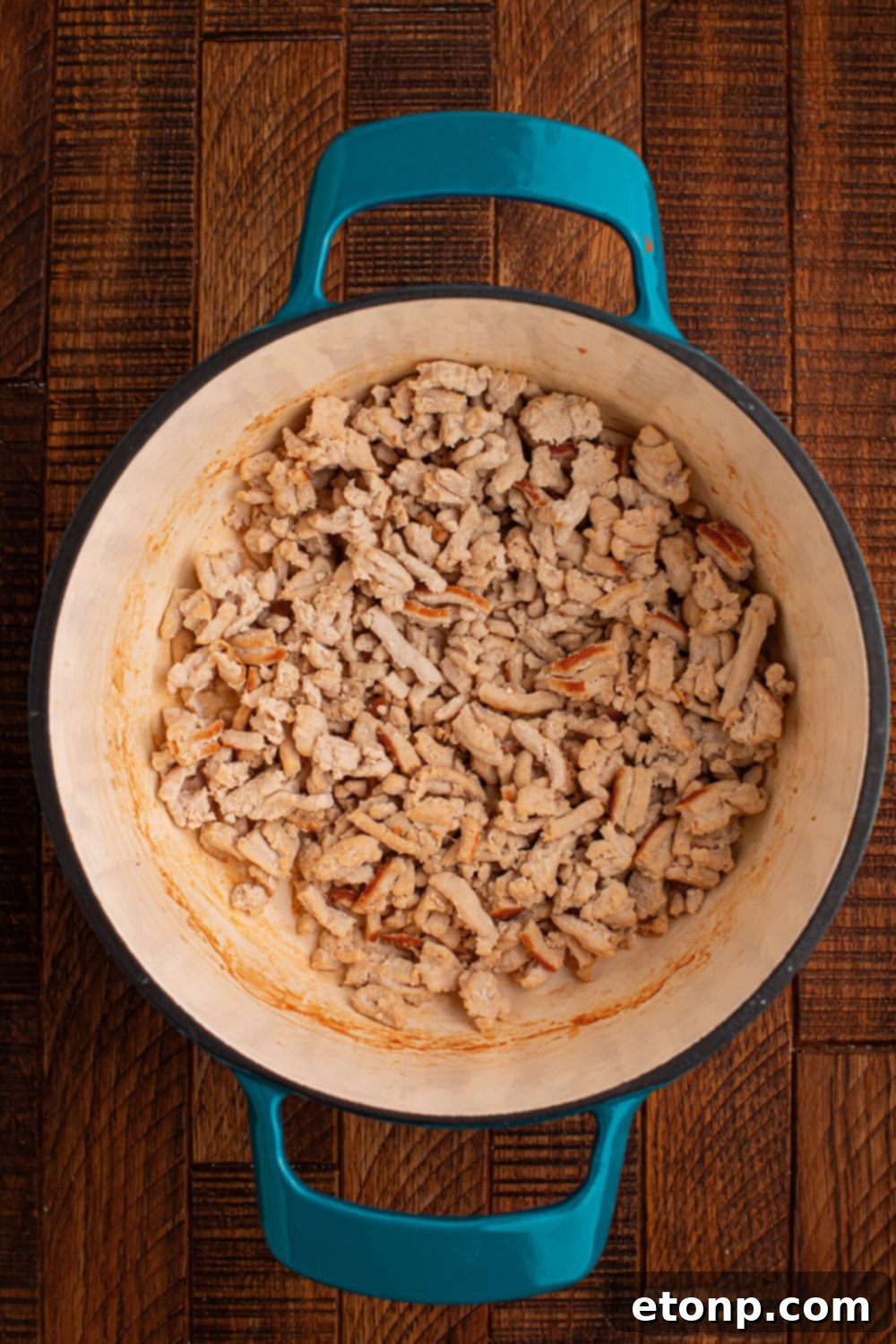
- In a large pot or Dutch oven, cook the ground turkey over medium heat, breaking it up with a spoon, until it is fully browned and cooked through. Drain any excess fat.
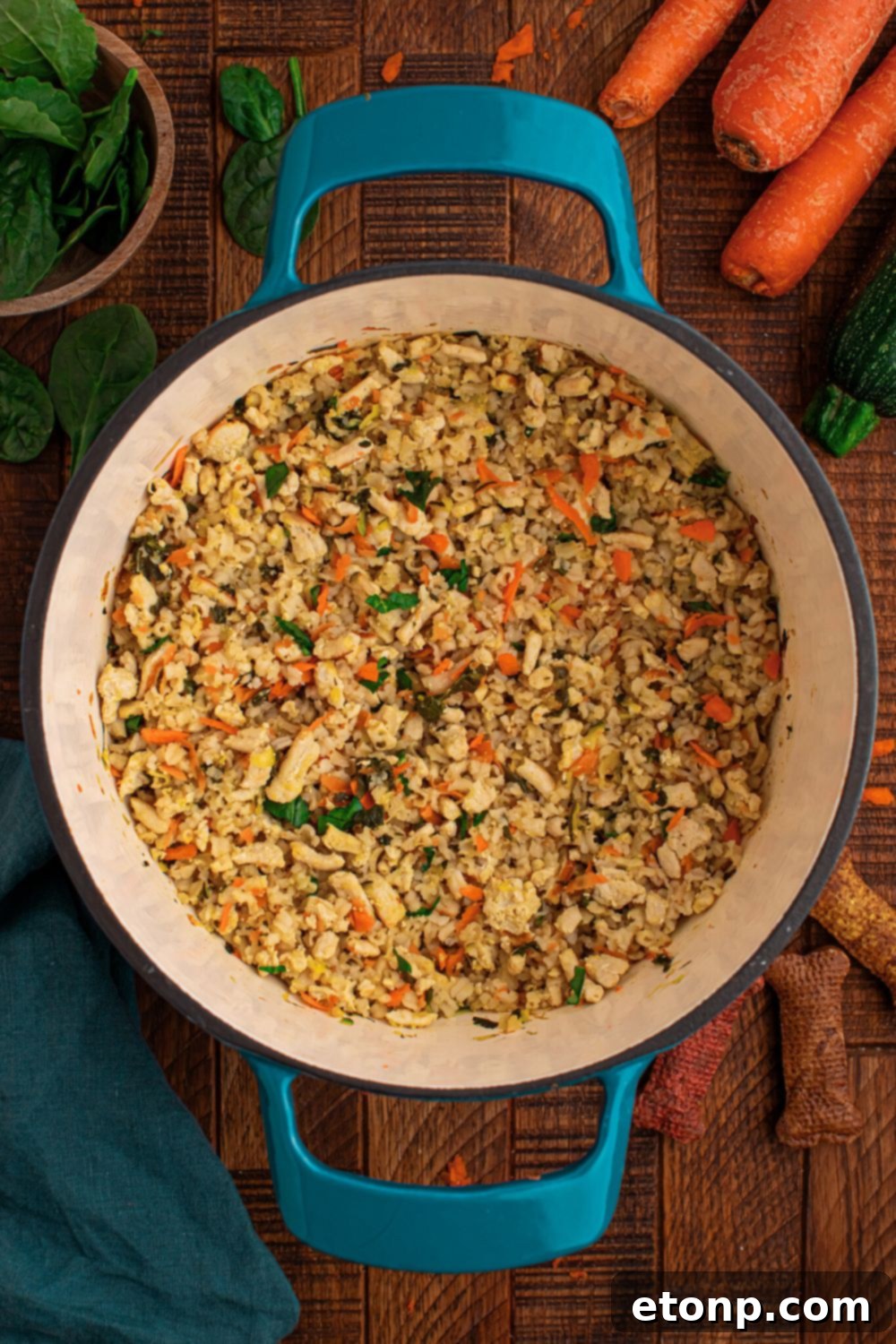
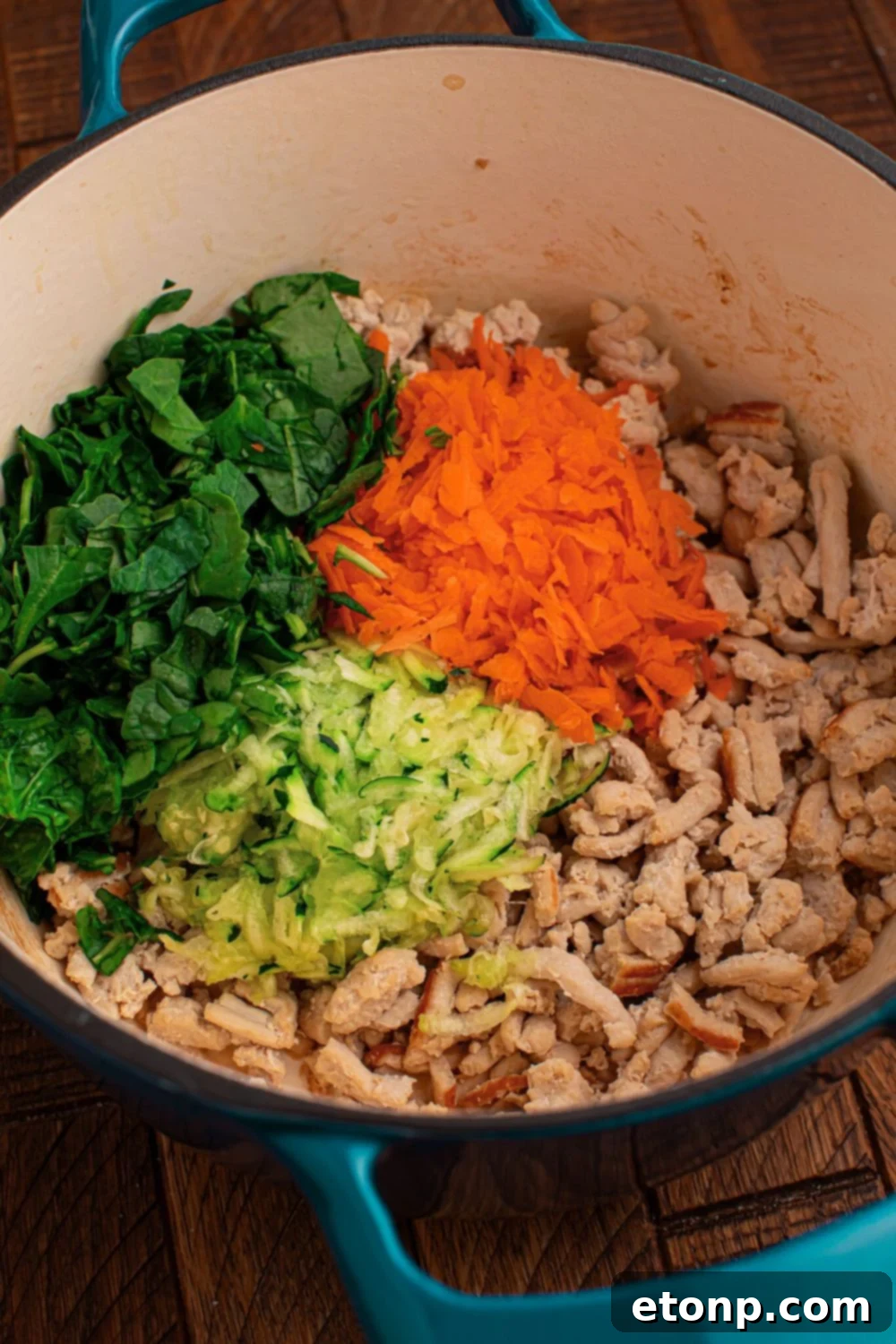
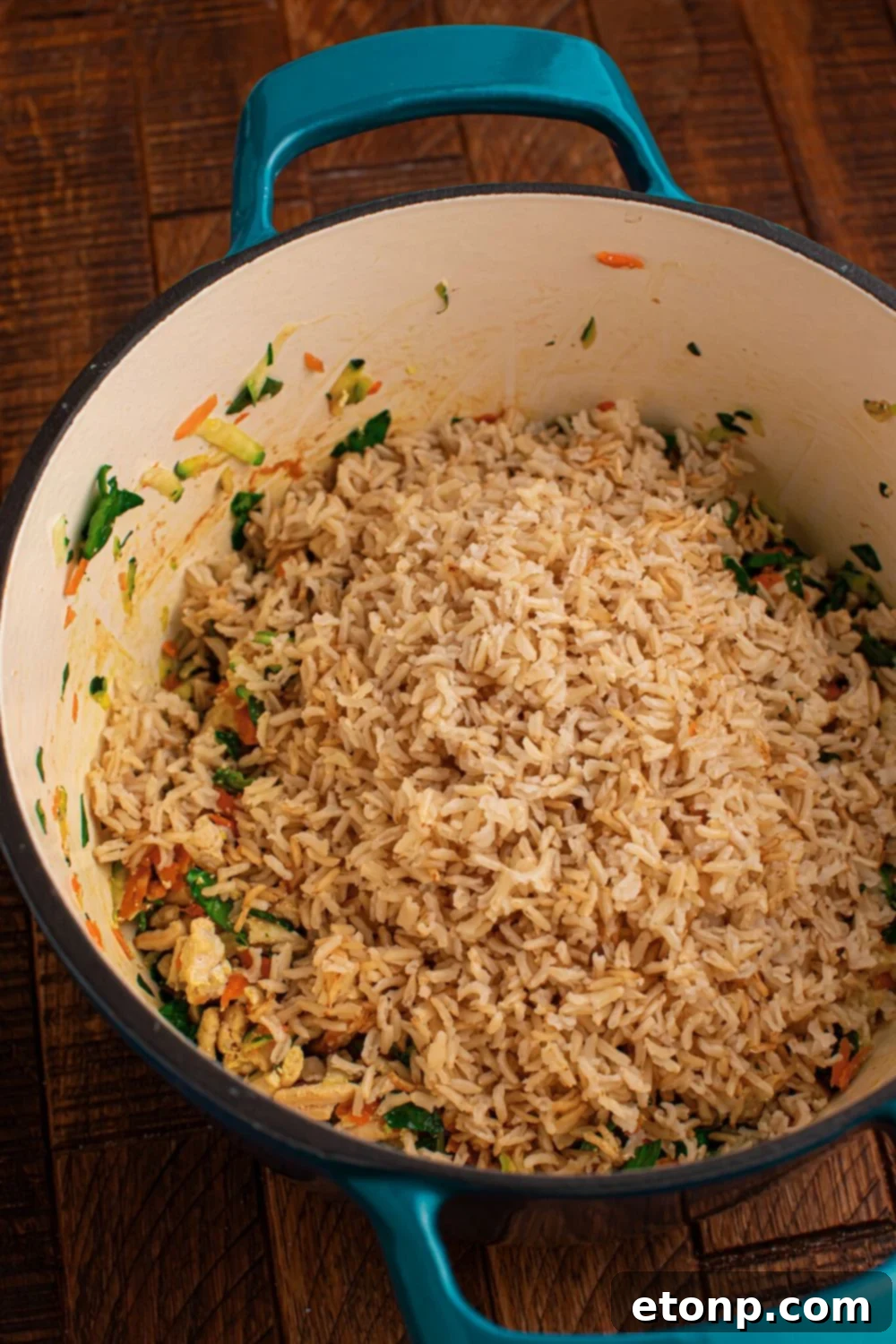
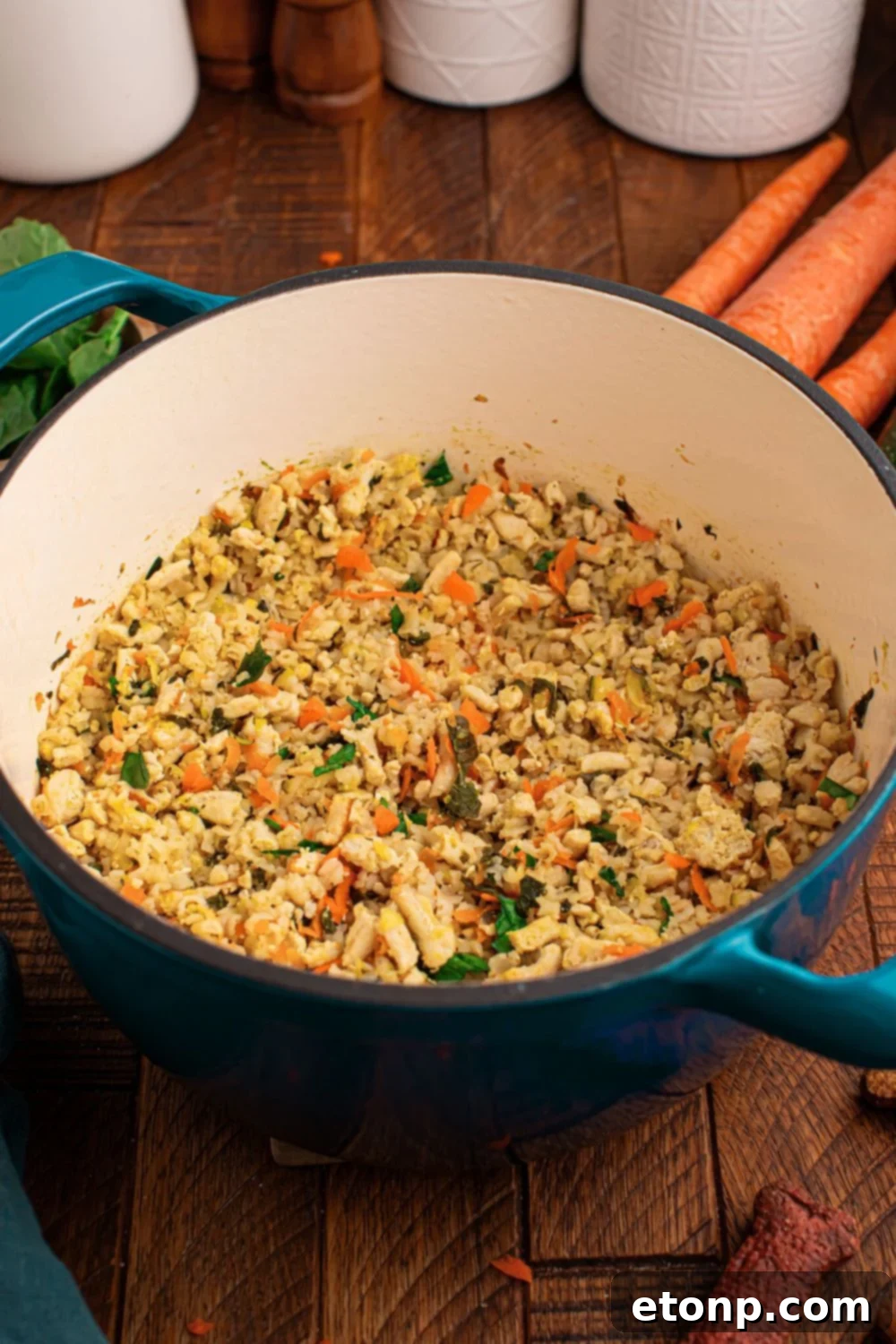
- Add the shredded zucchini, shredded carrot, and finely chopped spinach to the pot with the cooked turkey. Stir well and cook for 2–3 minutes, or until the vegetables have softened slightly.
- Stir in the previously cooked brown rice, combining all ingredients until everything is evenly mixed and heated through. If desired, add a splash of water or low-sodium broth for additional moisture.
- Allow the homemade dog food to cool completely to room temperature before serving it to your dog. Store any leftovers in an airtight container in the refrigerator for up to 5 days, or portion and freeze for longer storage.
Did you make this recipe?
Make sure to follow on Pinterest for more recipes and inspiration!